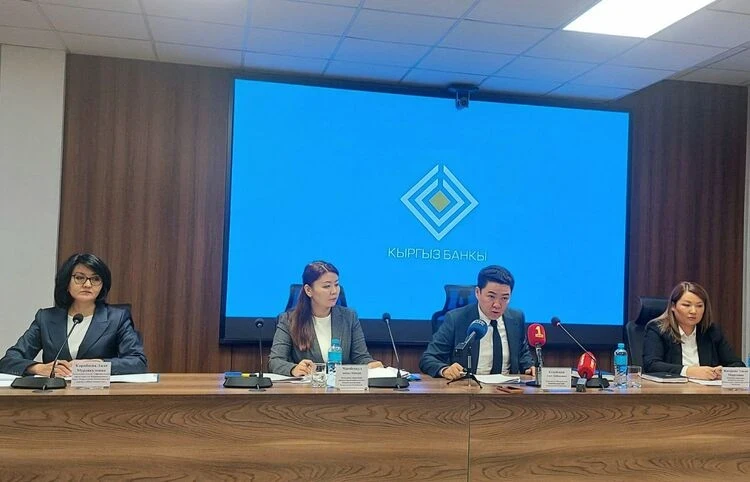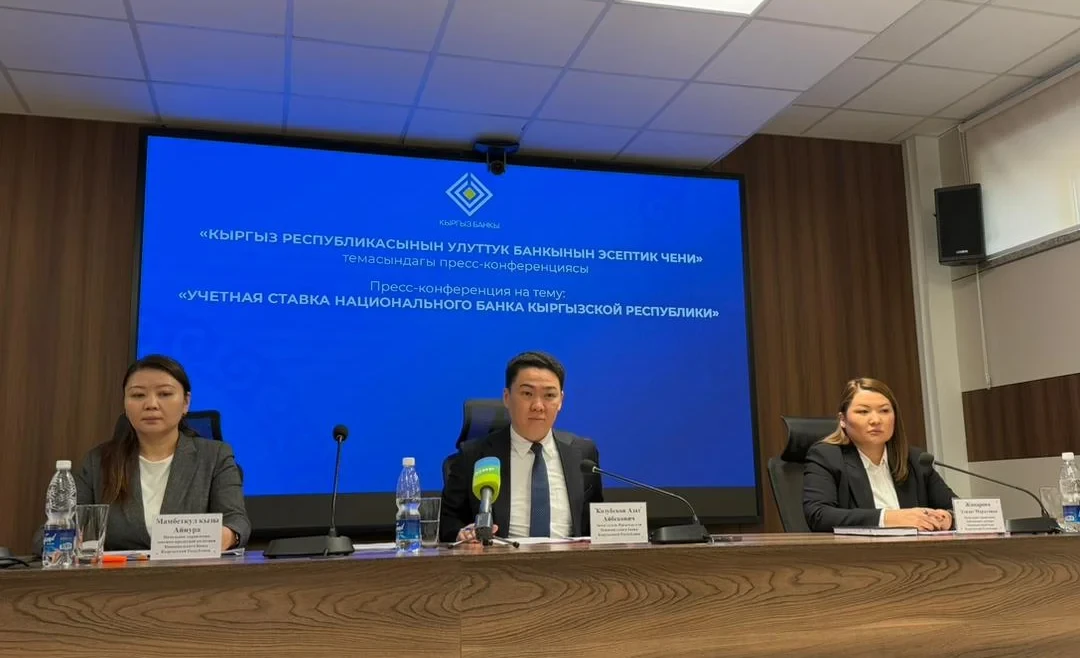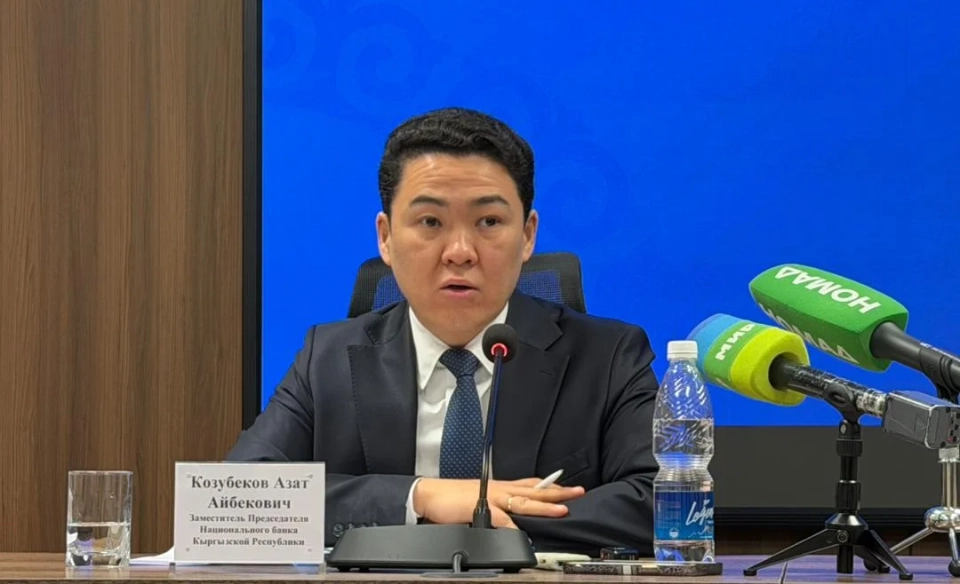
On February 23, 2026, the Board of the National Bank of the Kyrgyz Republic decided to raise the interest rate by 100 basis points, bringing it to 12%. This change took effect immediately, as reported by bank representatives.
The NBKR noted that the current external economic situation remains complex and carries a certain degree of uncertainty. There is a slowdown in price growth for key goods in international food markets; however, inflation in the partner countries of the Kyrgyz Republic remains high. Given the significant share of imports in the consumer basket, domestic prices continue to respond to changes in external conditions. The future price dynamics depend on the stability of global supply chains and trade flows, which are exposed to risks amid geopolitical instability and fragmentation of the global economy. These factors require a cautious approach to monetary policy to ensure price stability in the country.
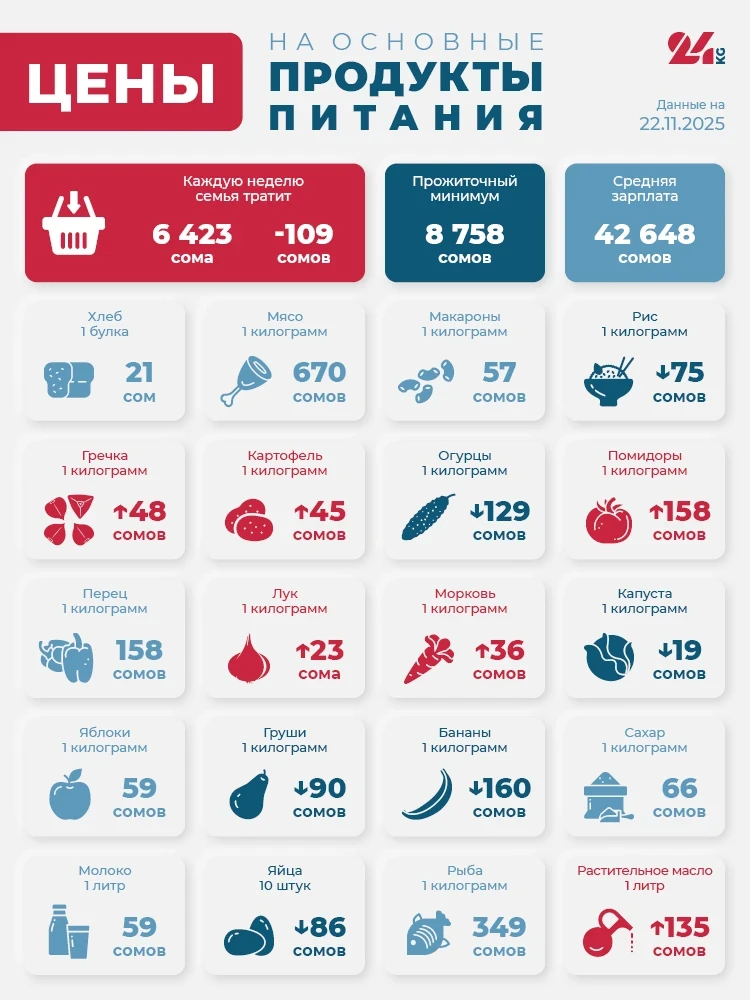
As of February 13, 2026, inflation in the Kyrgyz Republic was 1.8% with an annual value of 9.6%. The price dynamics generally align with expectations, but there is varying activity across the main components of the consumer basket. Prices for food products are rising moderately due to the stabilization of prices for some products, while prices for services and non-food goods continue to rise, driven by both external and internal demand factors.
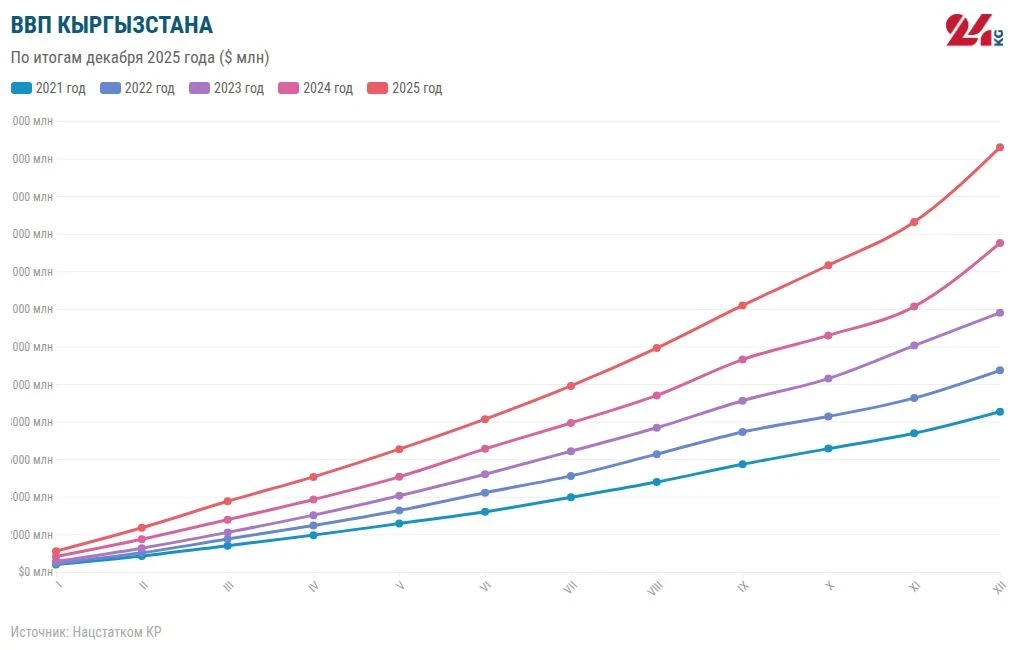
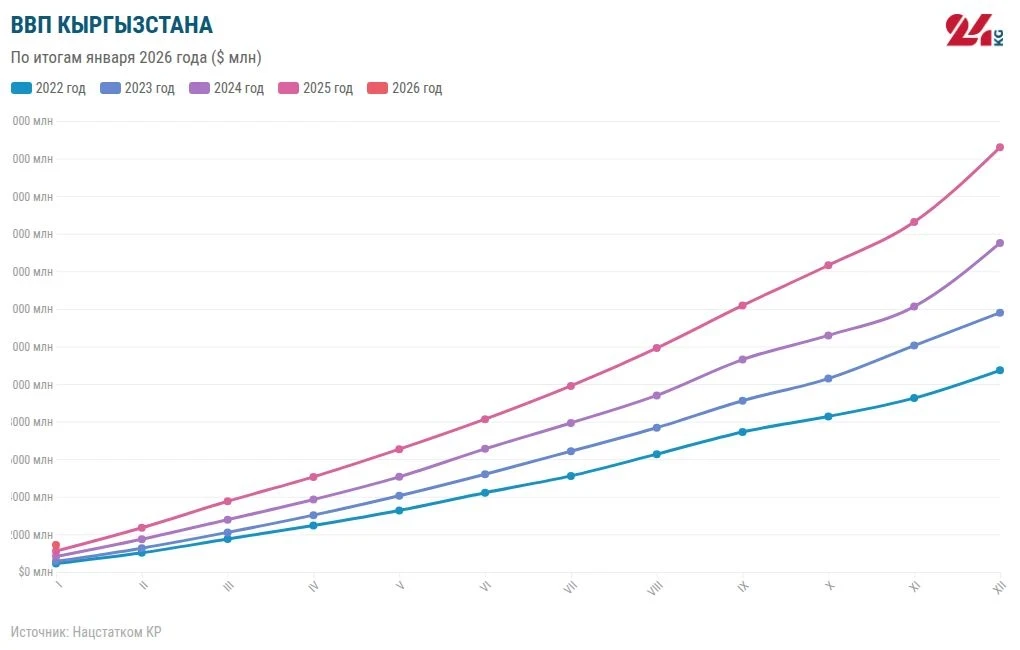
The economic development of Kyrgyzstan is demonstrating high rates: in January 2026, real GDP increased by 9.0%. An acceleration of activity is primarily observed in the services sector and construction, while there continues to be a high level of investment in fixed capital, contributing to the development of infrastructure projects. The growth of real incomes and an increase in consumer lending also support domestic demand, creating additional inflationary impulses.
Monetary conditions contribute to maintaining the purchasing power of the national currency and create conditions for achieving the target inflation level of 5-7% in the medium term. The interbank market is functioning steadily, and the BIR rate is near the lower boundary of the NBKR's interest rate corridor, reflecting the balance of supply and demand for short-term monetary resources amid excess liquidity in the banking system. The domestic foreign exchange market also maintains stability, and currency interventions are conducted only to smooth out sharp fluctuations in the exchange rate.
The banking sector demonstrates resilience: the volume of deposits in 2025 increased by 46.2% to 865.9 billion soms, indicating trust in the banking system and a growth in the saving behavior of the population. The loan portfolio of commercial banks grew by 48.8%, reaching 507.0 billion soms, reflecting activity in the real sector of the economy.
The future of inflation in the medium term will be determined by the balance of internal and external conditions. Considering inflationary factors such as a positive fiscal impulse and rising consumer demand, the NBKR deems it necessary to tighten monetary conditions to create sustainable prerequisites for slowing inflation. Thus, the interest rate was raised to 12%.
The National Bank emphasized that it continues to adhere to a balanced approach to monetary policy, constantly assessing the impact of external and internal factors on inflation. In the event of risks to price stability, the NBKR does not rule out the possibility of adjusting its monetary policy.