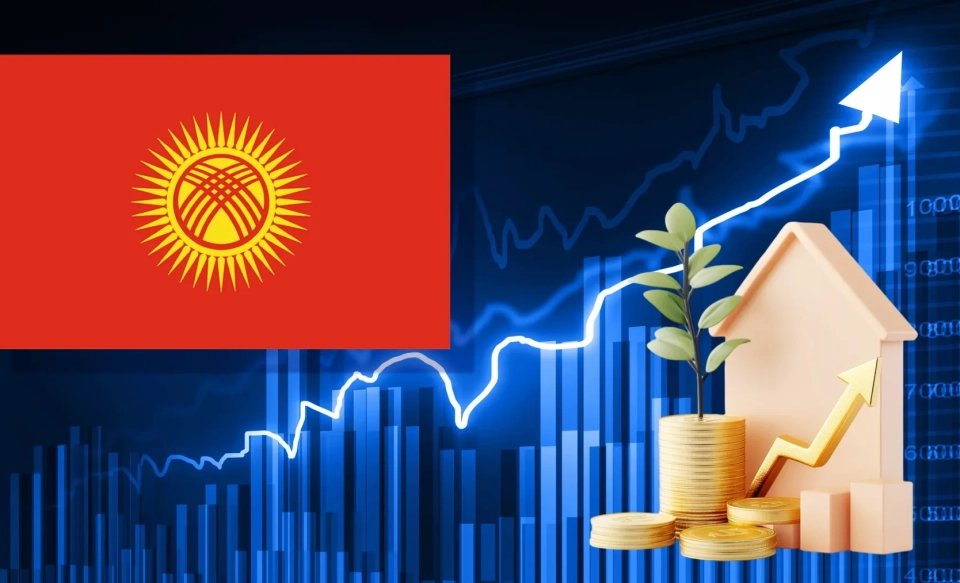
However, the level of inflation in most countries in the region remains high. The main factors contributing to this are the rise in tariffs and the increase in food prices in international markets. Kyrgyzstan will also not be left out of this trend, and prices are expected to rise in unison with GDP.
Gradual but Steady Development of the Region
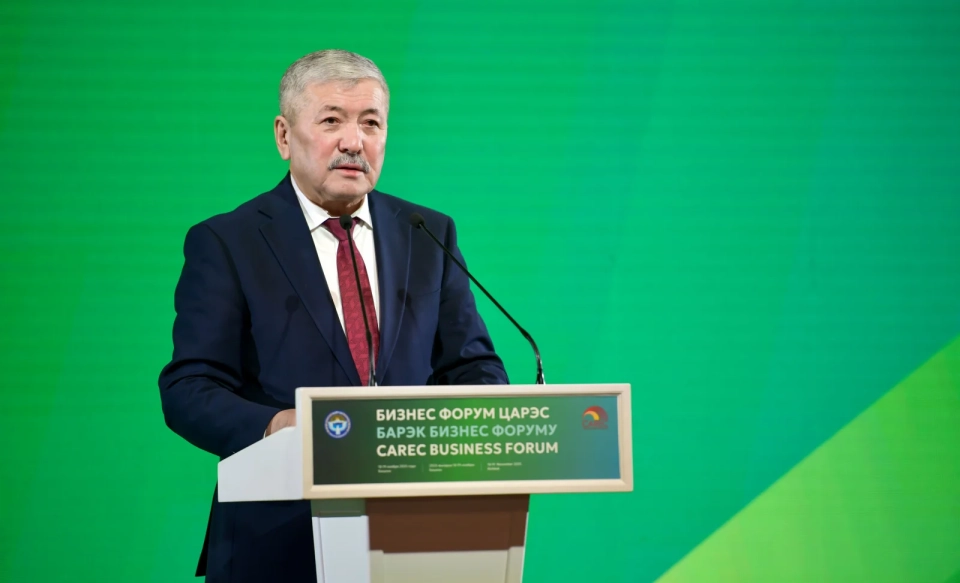
Evgeny Vinokurov, the chief economist of the EDB, compared the global economy to a chess game, where each new move changes the rules of the game. This creates additional uncertainty affecting trade flows, investments, and strategic plans.
According to him, global trade has lost its status as the main driver of economic growth. A similar situation is observed with cross-border investments, which had outpaced overall growth for decades but have now shown a decline for two consecutive years. Leading economies are reducing their investments abroad, focusing on the development of domestic production — this is a significant trend for our region and the entire global economy.
Central Asia continues to remain a large, dynamically developing, and strategically important economic region. It attracts attention, and interest in it is only growing," noted Vinokurov.
The Eurasian Development Bank forecasts that the global economy will maintain moderate growth rates, adapting to new trade barriers. Developing countries with large markets continue to show activity despite weak growth rates in developed economies. By 2025, the economy of the region covered by the EDB is expected to return to a balanced state after two years of record growth, with an anticipated GDP increase of 1.9% this year after 4.5% in 2024.
The growth rate of the consumer price index remained stable in 2025, associated with a 23.8% increase in electricity tariffs in May. Additional influences included low figures from the previous year and rising food prices in global markets.
High consumer activity will continue to support economic growth longer than previously expected. High rates of consumer lending and positive dynamics in remittances are expected to persist until early 2026, contributing to domestic trade.
The state investment program will create momentum for the growth of the construction sector and manufacturing industries.
In 2027-2028, GDP growth rates could reach around 7.5%. The economy of Kyrgyzstan will slowly return to balanced growth rates in the medium term as domestic demand cools.
Ways to Curb Price Inflation
The projected price growth in the republic by the end of 2026 will be around 8.3%. This is slightly lower than the 9.1% expected for the current year, but nonetheless, such rates cannot be considered moderate.
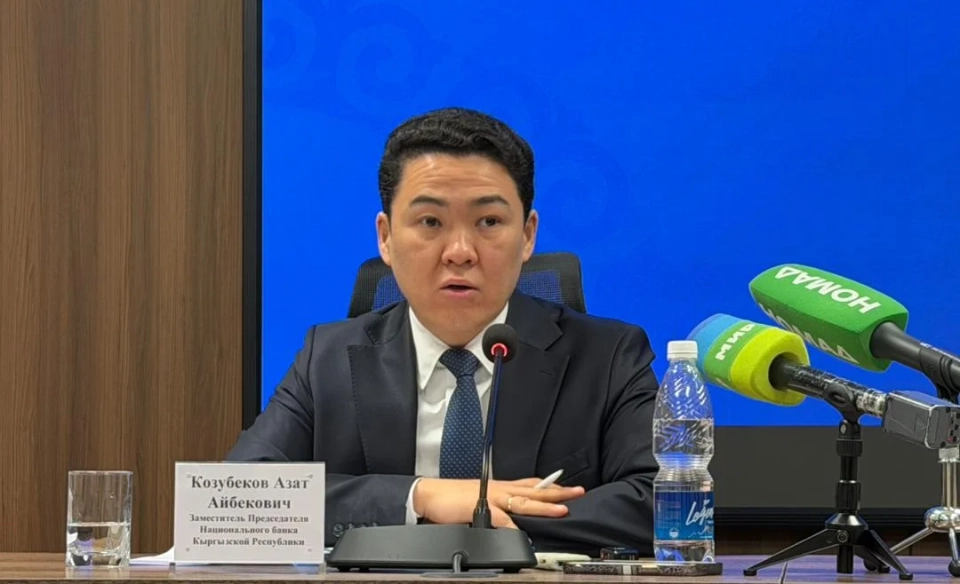
According to Aigul Berdigulova, the increase in consumer demand amid economic growth stimulates inflation. Global food prices also affect the situation. In this regard, the National Bank is taking measures to raise the interest rate. We are confident that these actions, along with the authorities' efforts to stabilize prices for socially significant goods, will help bring inflation back to normal.
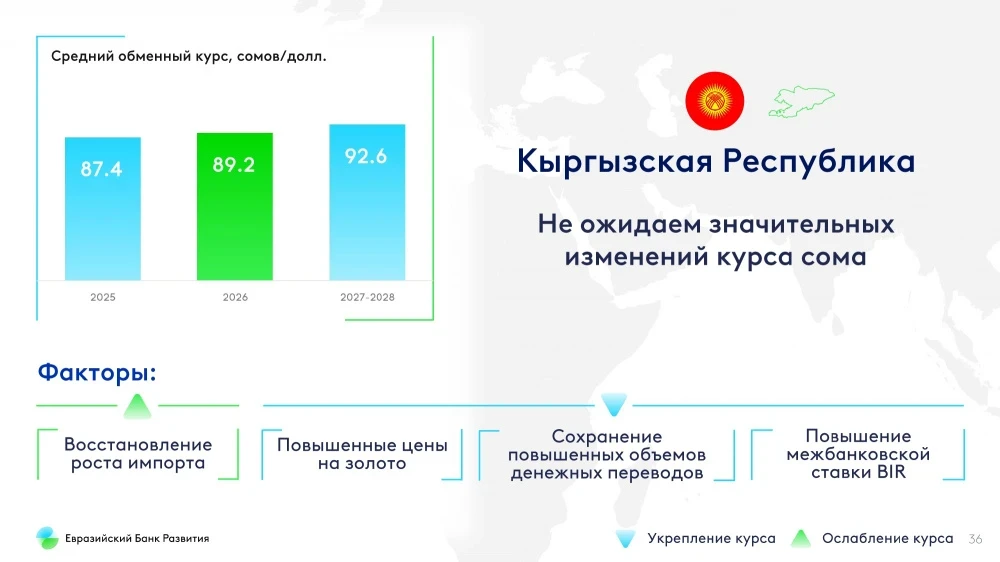
As for the exchange rate of the som, bank experts suggest that it will remain within 87-90 soms per dollar. On one hand, the growth of imports will increase demand for foreign currency, which may weaken the som. On the other hand, the influx of money through remittances will help stabilize the exchange rate.
Thus, sharp changes in the dynamics of the som's exchange rate are not expected during the forecast period," concluded Aigul Berdigulova.
In the EDB, it is emphasized that although the forecast for Kyrgyzstan looks optimistic, risks are still present. For example, a more significant slowdown in global economic growth than expected could negatively impact the country's foreign economic activity and its economic growth rates. Additionally, delays in the implementation of planned investment projects could also limit economic activity.
High lending rates could lead to a persistently high level of inflation. In the event of capital outflows from developing markets, the som's exchange rate could weaken more than in the baseline scenario, leading to more dynamic inflation growth and the need for tighter monetary policy implementation.