Representatives of the seven leading economies in the world (the "G7" includes the USA, the UK, Germany, France, Italy, Canada, and Japan) emphasize their readiness to take action to stabilize the oil market.
"We are prepared to take the necessary steps, including supporting global energy resource supplies and possibly releasing reserves," the statement said following a videoconference organized by France on March 9.
French Finance Minister Bruno Le Maire clarified that a final decision on releasing national reserves has not yet been made. "We have not yet reached that stage," he noted after the videoconference. "We agree that if necessary, we will use all available means to stabilize the market, including the possible use of reserves."
IEA Confirms Difficult Situation in the Oil Market
Le Maire added that work would continue in the coming days, and the situation in the oil market would be closely monitored. The head of the International Energy Agency (IEA), Fatih Birol, also attended the G7 meeting, reporting on the worsening situation in the global oil market.Countries that are part of the IEA hold more than 1.2 billion barrels of strategic oil reserves, in addition to 600 million barrels of industrial stocks. These countries use their strategic reserves in crisis situations to stabilize the market or respond to supply shortages, although they resort to this measure rarely.
Despite some supply disruptions, EU member states have sufficient oil and gas reserves, the European Commission's press service reported on the same day. "Supply security concerns us less than high energy prices," the statement said.
Oil Price Reaches $100 for the First Time Since 2022, Iran Threatens Price Increases
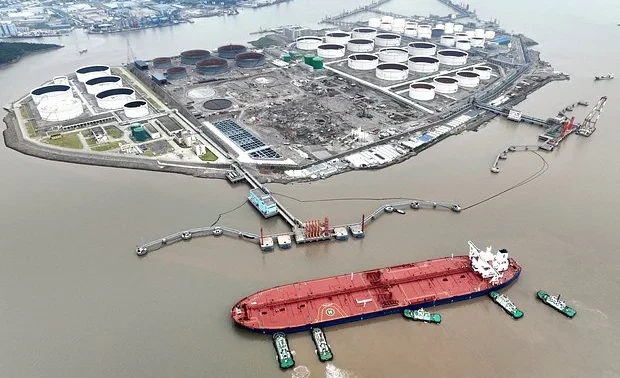
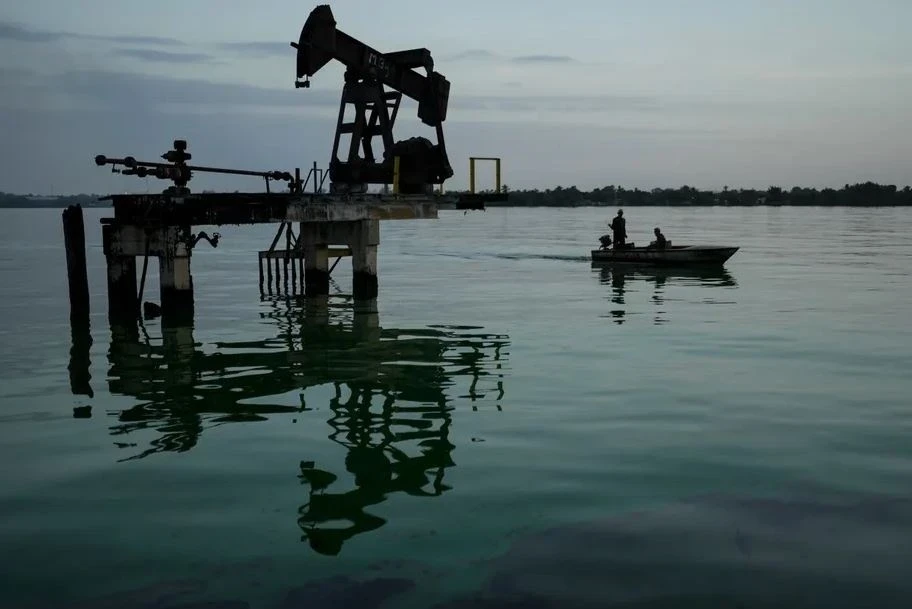
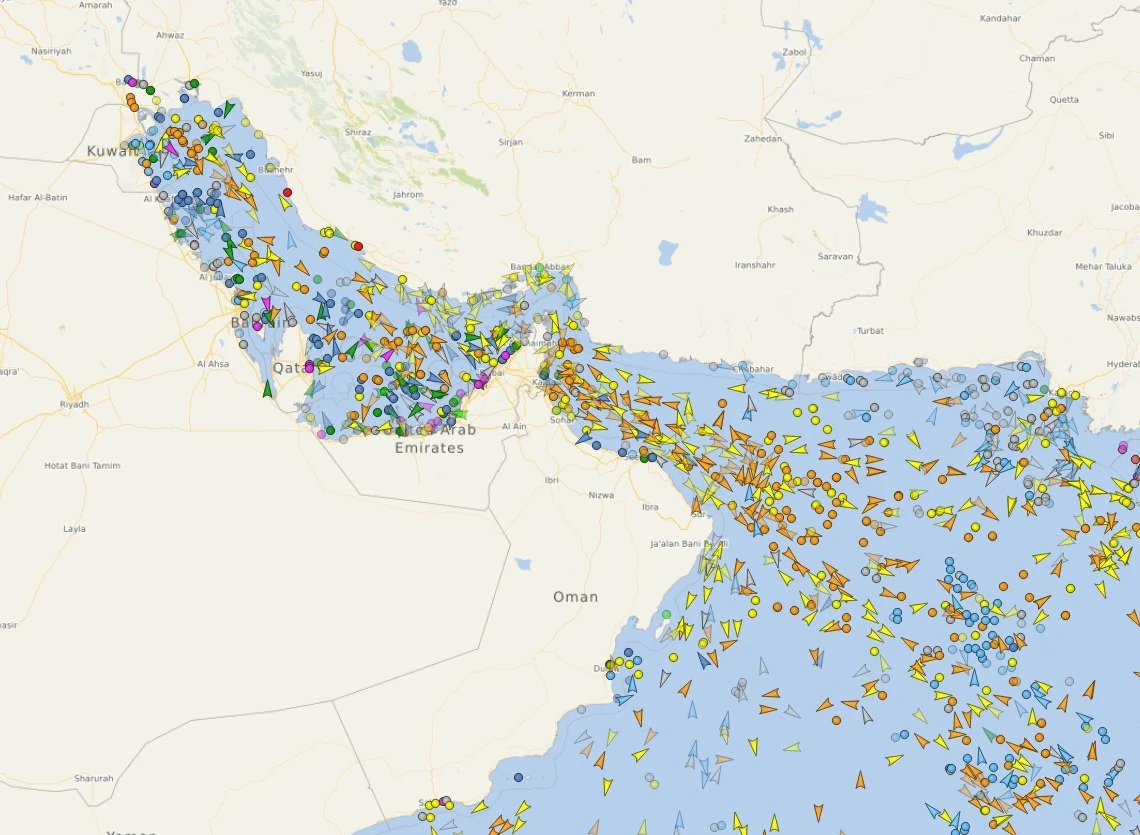
Amid the conflict between the USA and Israel against Iran and the effective closure of the Strait of Hormuz, the price of oil has surpassed $100 for the first time since 2022. On the London exchange on March 9, Brent crude oil futures temporarily rose by nearly 26%, reaching $116.6 per barrel (159 liters), according to Reuters.On March 7, Israel attacked Iran's oil infrastructure for the first time, striking five energy facilities in Tehran and its surroundings. In response, the Islamic Revolutionary Guard Corps (IRGC) threatened to attack oil facilities in the Persian Gulf countries: "If you can handle oil prices above $200 per barrel, go ahead," quoted a representative of the IRGC by The Guardian.
Since the morning of February 28, Israel and the USA have conducted strikes against Iran. Donald Trump announced his intention to destroy the nuclear program of the Islamic Republic.
Iran responded with strikes on territories in Israel and other Middle Eastern countries where US military bases are located. Strikes were carried out on Bahrain, Qatar, Kuwait, Abu Dhabi, and Dubai (UAE), as well as Riyadh (Saudi Arabia).
As a result of the US-Israeli attack, Iran's Supreme Leader Ayatollah Ali Khamenei was killed, and later his wife, Mansoureh Khojasteh, died from her injuries.
Donald Trump stated that the military operation in Iran would last about four weeks. Iran declared jihad against the USA and Israel, emphasizing that negotiations are impossible.
The situation in the Middle East is affecting the global environment, including Kyrgyzstan. Currently, thousands of tourists remain stranded due to the conflict in the UAE. Contact numbers for embassies and consulates for Kyrgyz citizens abroad can be found here.