According to government expectations, this measure will help improve the situation in China's domestic market, which is experiencing a fuel shortage. Additionally, companies have been advised to refrain from signing new contracts and to cancel previously agreed shipments of gasoline and diesel abroad, with the exception of aviation and bunker fuel stored in customs warehouses. Shipments to Hong Kong and Macau are also permitted.
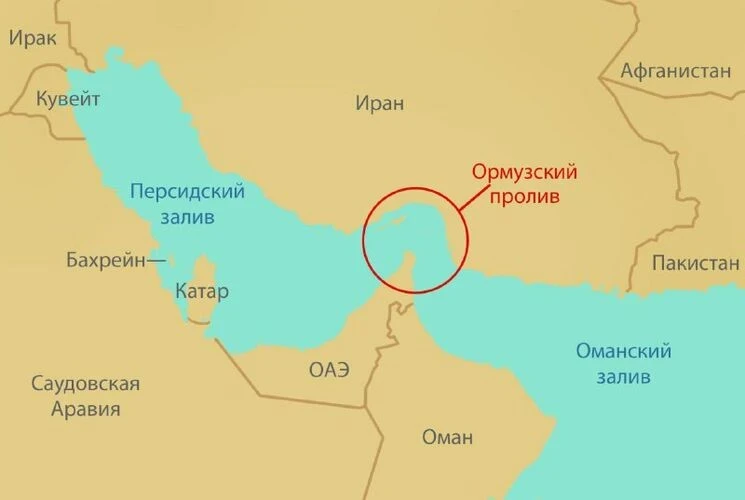
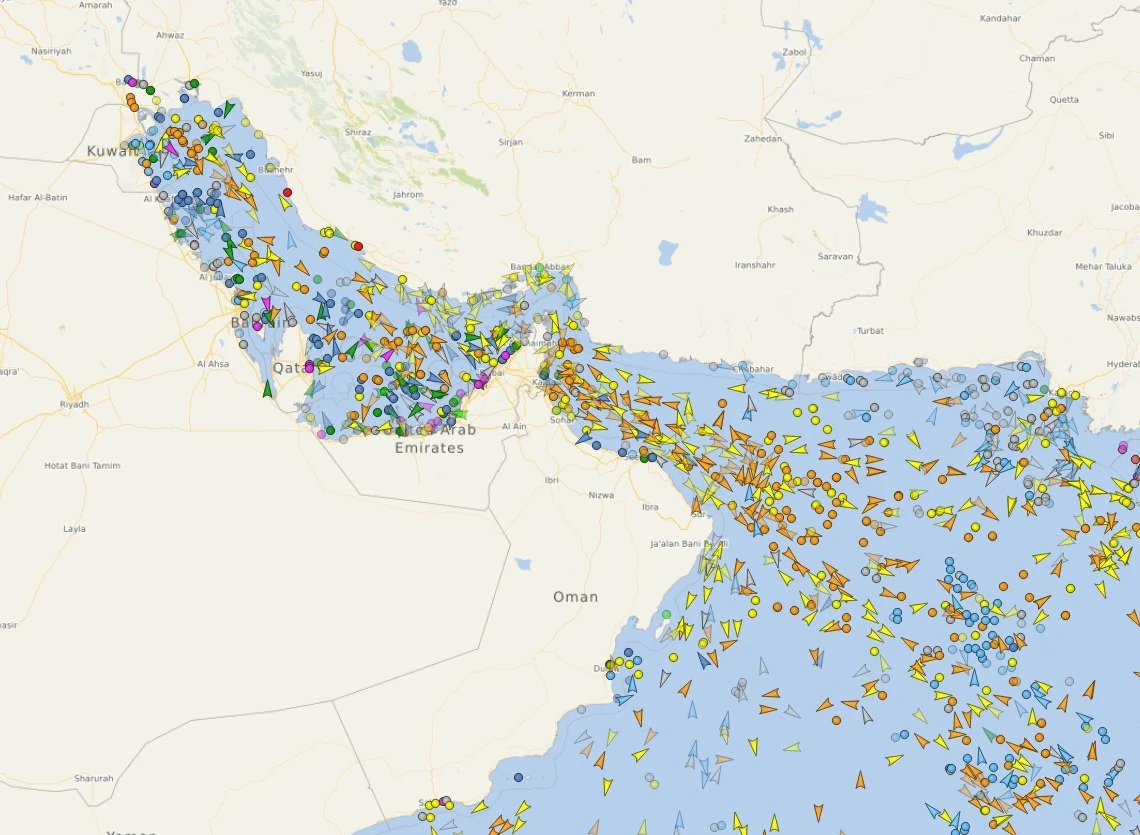
Photo from the archive. Tankers waiting to pass have accumulated on both sides of the Hormuz Strait after its closure by Tehran
Experts note that China, along with other countries in the Asia-Pacific region, may be among the primary victims of the closure of the Hormuz Strait, which is a key route for global oil trade. Previously, one-third of the total volume of raw material trade passed through this maritime artery, and China is significantly dependent on oil imports from Iran.
As of 2024, Iran accounted for about 14 percent of China's oil imports. Experts indicate that by early spring 2026, China's oil reserves should be sufficient for more than 130 days. However, if the conflict between Iran and the U.S. with Israel drags on and escalates into large-scale military actions, the situation in the country's fuel market may worsen.
Recall that earlier the Islamic Revolutionary Guard Corps announced the defeat of 10 tankers and full control over the Hormuz Strait.
As a result of the closure of the strait, dozens of tankers found themselves waiting on both sides of it.
The Hormuz Strait, through which about 20 percent of the world's oil and up to 30 percent of liquefied natural gas from the Persian Gulf countries pass, is critically important for supplies to Asian markets, including Iraq, Saudi Arabia, Kuwait, Bahrain, Qatar, and the UAE.
Experts predict that the blockage of this vital corridor could lead to a sharp rise in energy prices, with the cost of oil potentially reaching $100 per barrel.