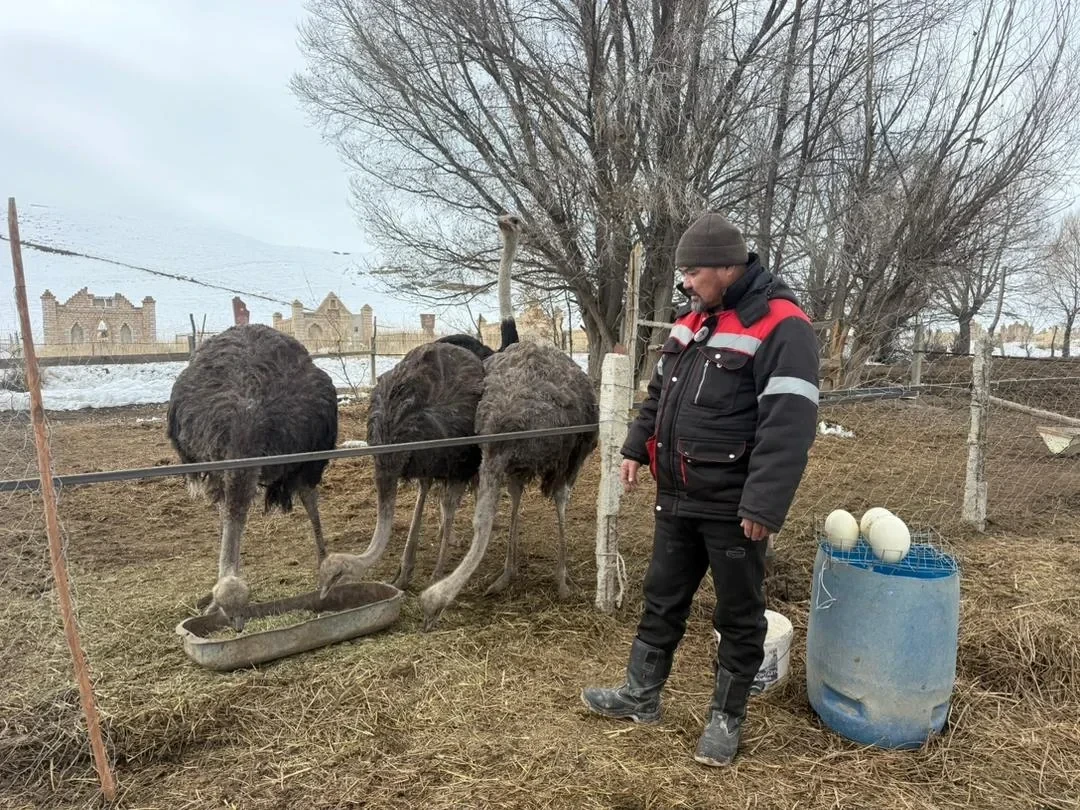
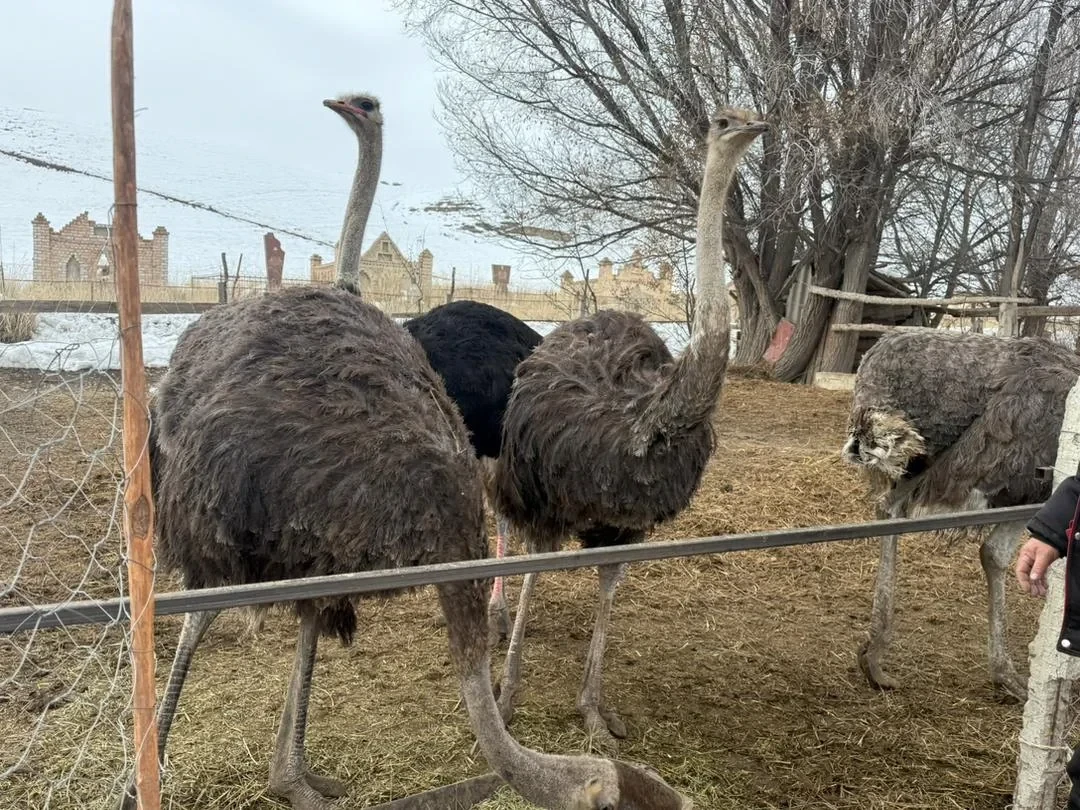
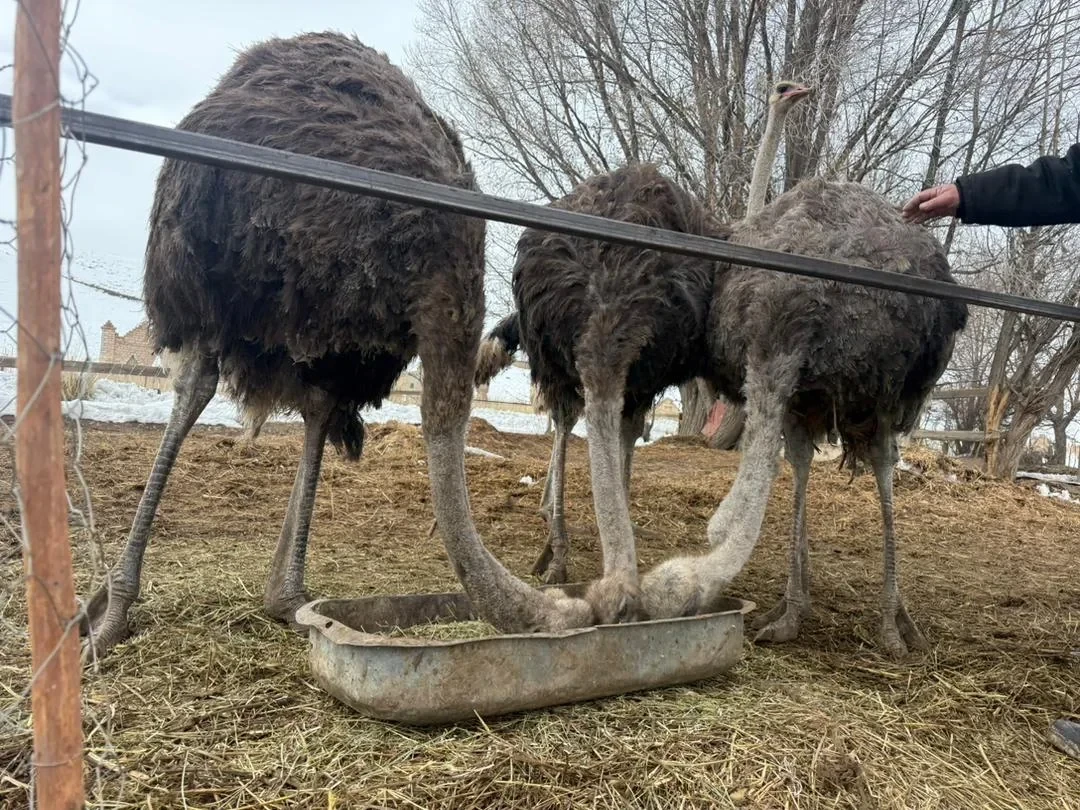
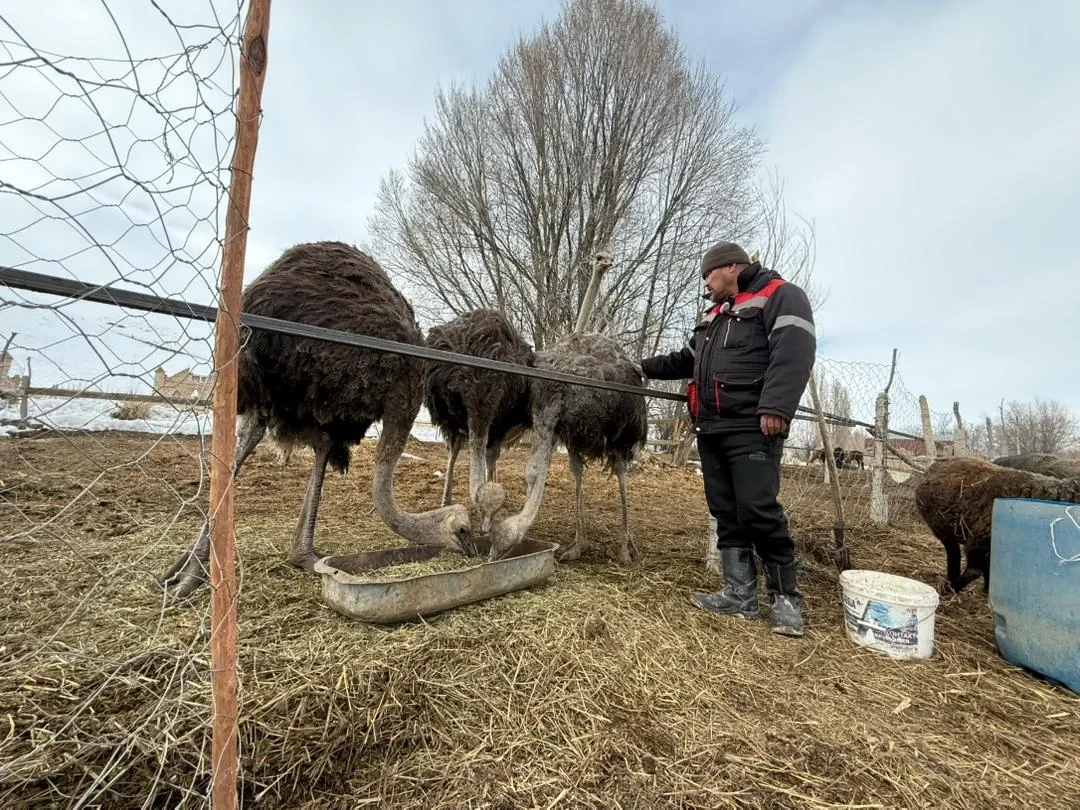
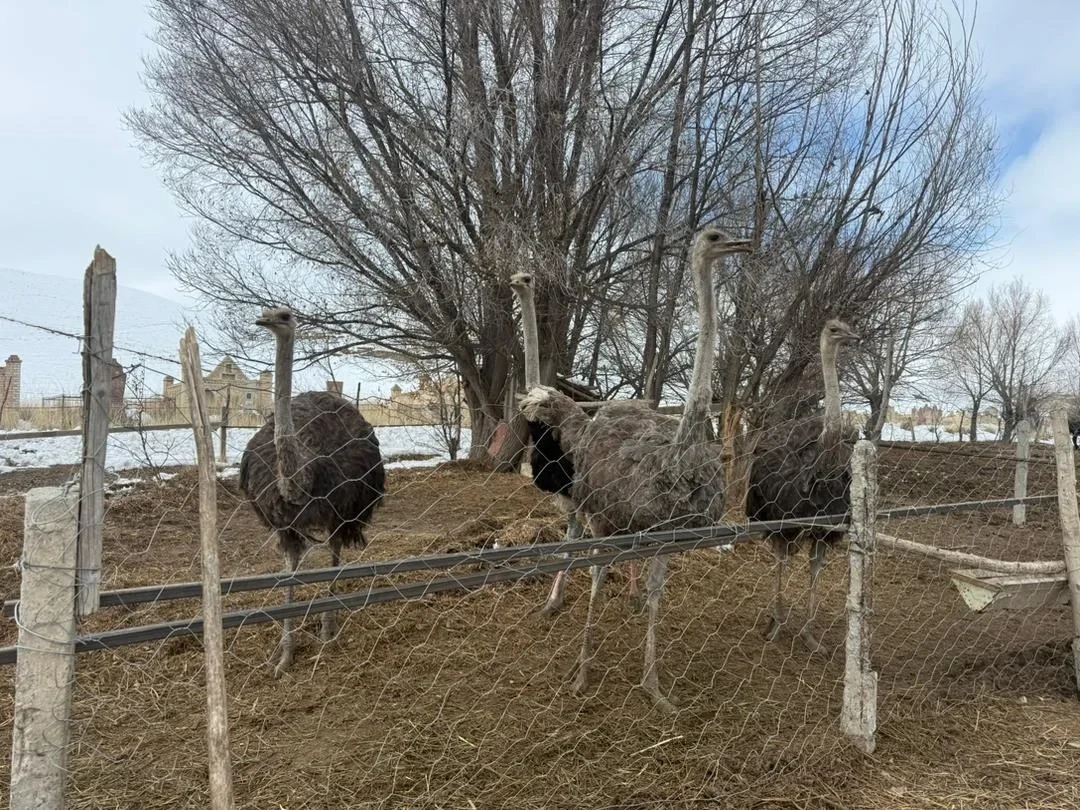
In the Naryn region, sheep, goats, and cattle are traditionally raised. However, Bolotbek Tynaev, a resident of the village of March 8, decided to change the approach and engage in ostrich farming. Starting with one bird, he now has four ostriches on his homestead.
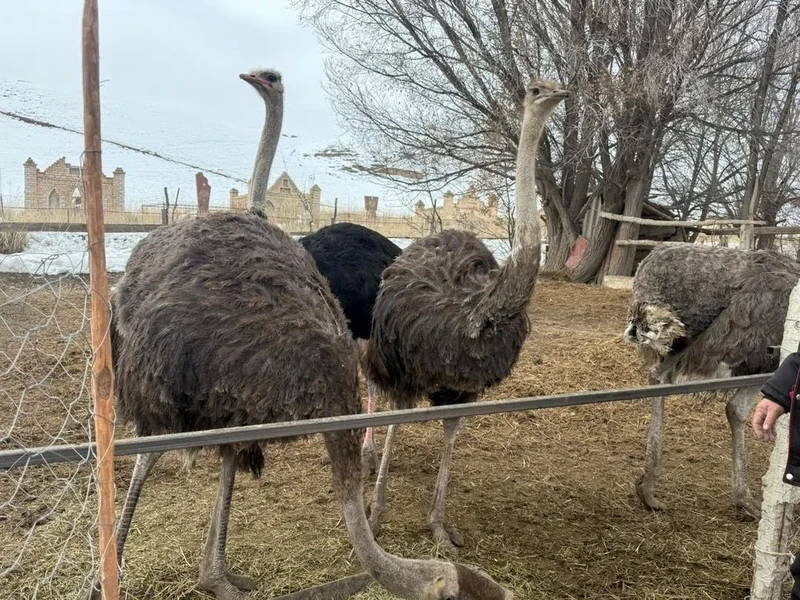
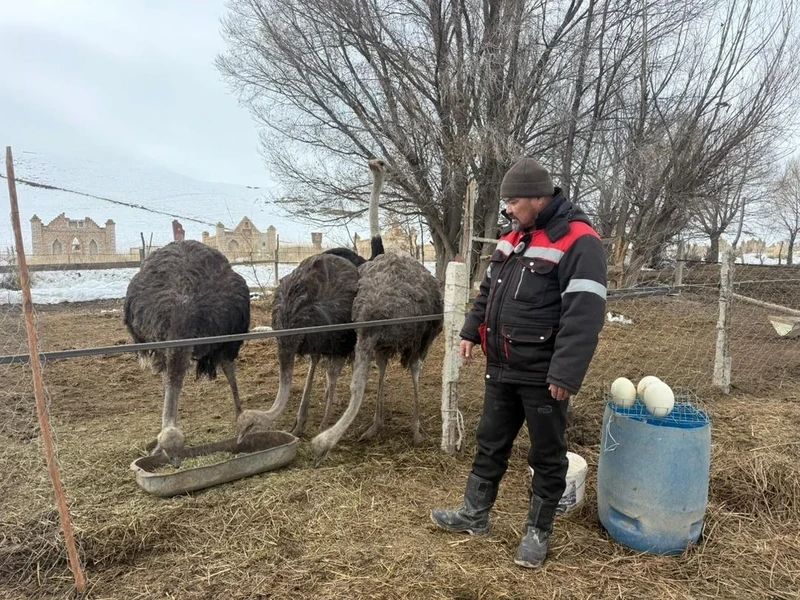
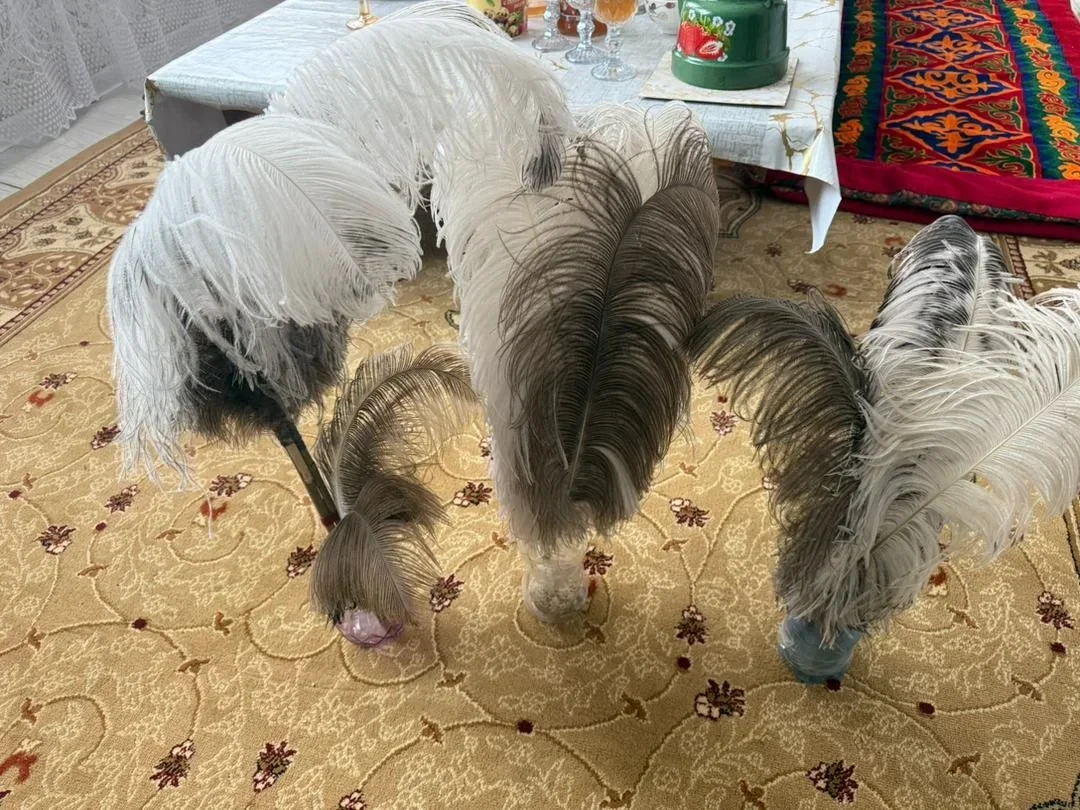
“Ostriches eat like regular animals. I give them hay, which I chop beforehand, as well as barley, wheat, and corn. During molting, I feed them silage, soy, and fish meal. These birds can withstand low temperatures down to -40°C in winter and heat in summer. Ostriches start laying eggs at three years old, but chicks only hatch from four-year-old eggs. In the wild, they can live up to 80 years, while here they usually live 50-60. In their native lands, one bird can lay up to 80 eggs a year, but if not cared for, about 30-40. We place the eggs in an incubator, and after 45 days, the chicks hatch,” explains the farmer.
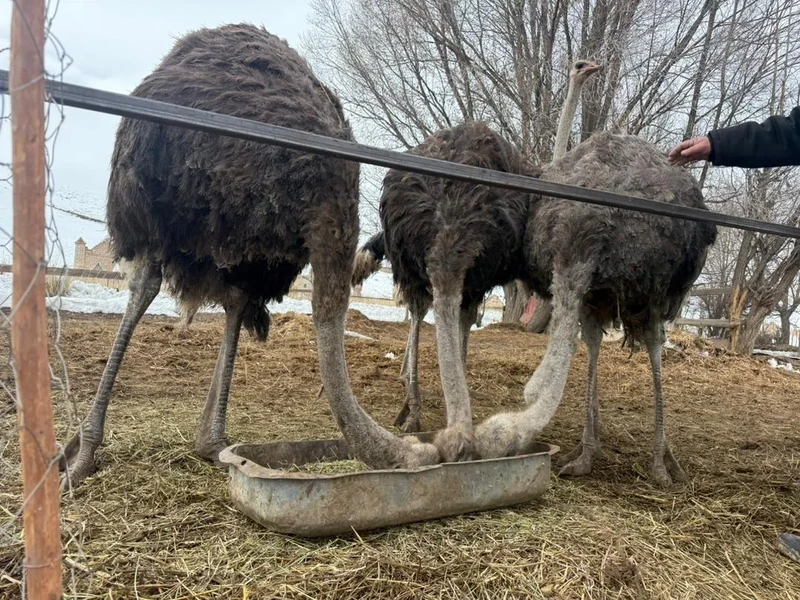
“For example, a foal costs about 80,000 soms, but you have to wait four years for it to grow and produce offspring. During this time, you need to incur expenses for feed, pasture, and shepherd services. An ostrich also costs 80,000 soms, but it can be kept in the yard. A female lays about 30 eggs a year. Even if only half of them survive, that gives about 15 chicks a year. Meanwhile, a mare only gives birth to one foal in the same period,” he says.
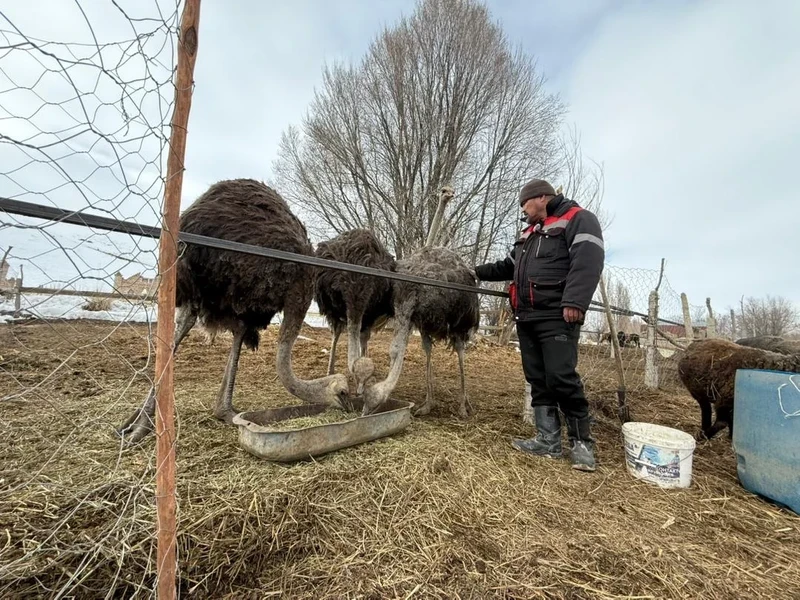
“If the government provided interest-free loans and supported small businesses, it would significantly simplify our work,” notes the farmer.Additionally, he expects to introduce Indian ducks and geese, which will diversify his poultry farming.