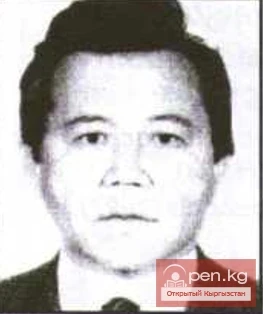
According to Junushov, there has long been an opinion that it is easier for Kyrgyzstan to rely on imported grain and flour, thanks to its membership in the EAEU and established logistics schemes.
“It was believed that bringing in wheat by train is easier than cultivating local lands, especially considering that there are not many of them. Some even suggested using the land for more profitable crops and simply purchasing wheat,” he noted.
Junushov also reminded that in 2016-2017, industry representatives repeatedly sought assistance from the government, but their initiatives did not receive support.
“We were told: why grow wheat if it can be easily bought in Kazakhstan,” he added.
However, according to him, the pandemic changed perspectives on this issue.
“During the 2-3 months when the borders were closed, we faced a shortage of raw materials and finished products. Importers filled the market, and the price of first-grade flour jumped from 22 to 40 soms — almost doubled,” Junushov recounted.
He emphasized that the crisis showed that every state primarily cares about its own food security and, in emergency situations, closes its borders to ensure its population's needs.
“The pandemic clearly showed that minimum reserves must always be in place, as hunger does not sleep,” he added.
Furthermore, Junushov noted that the development of local grain production is significant from an agronomy perspective.
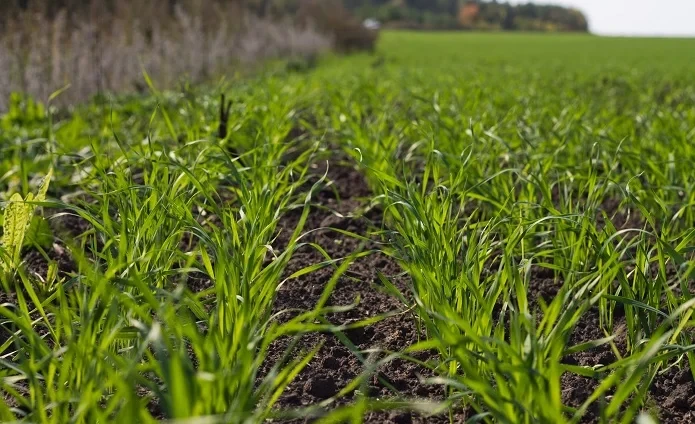
“For high-yield crops, such as sugar beets, crop rotation is necessary. During such periods, farmers will be able to grow wheat if they are confident that we will buy their harvest and provide the necessary assistance,” he explained.
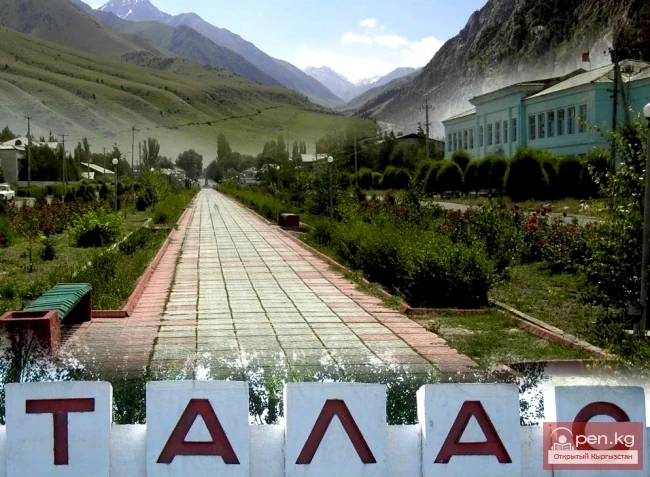
As of today, processing enterprises operate in almost all regions of the country. The Talas region had long been an exception, where local production was threatened due to smuggling and cheap imports.
“Previously, up to 90% of unaccounted flour passed through Talas, which led to the ruin of local mills,” Junushov said.
Nevertheless, the situation is currently starting to change.
“A modern bread factory has been launched in Talas with government support as part of cluster financing. For now, we are supplying it with flour from the Chui region, but in the future, we plan to organize wheat processing on-site,” he added.
According to the head of the Association of Millers, increasing domestic production and processing of grain is an important component of the country's food security.