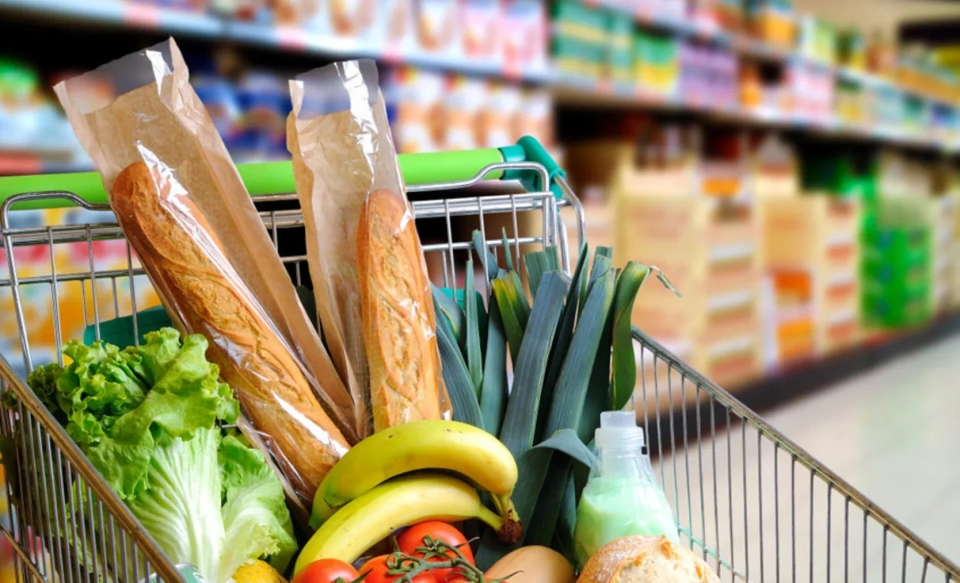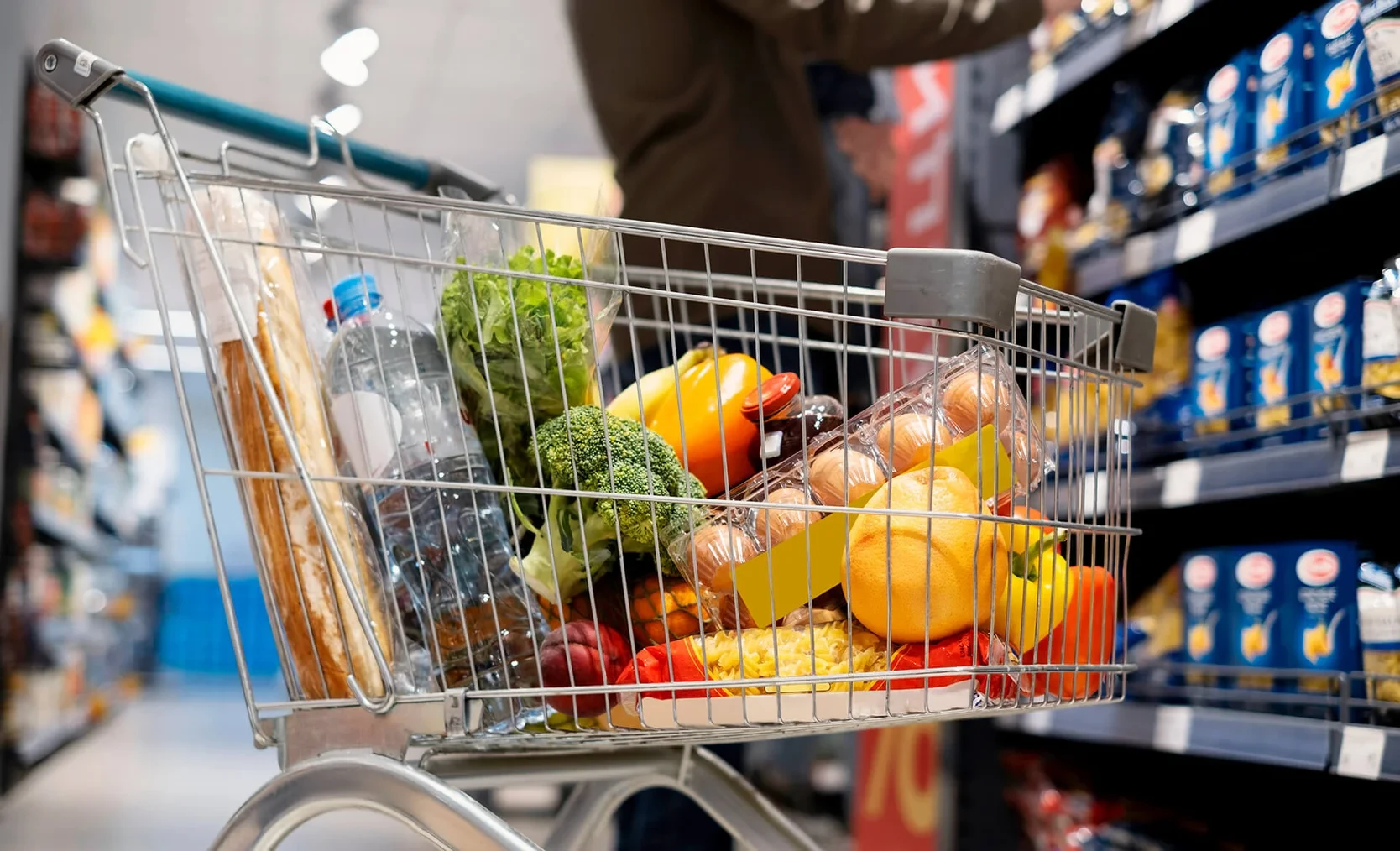
In Kyrgyzstan, there is a rise in food prices, which is associated with a number of internal and external factors, as reported by Uran Chekirbaev, head of the food security department of the Ministry of Water Resources, Agriculture, and Processing Industry, on the air of Birinchi Radio.
Chekirbaev noted that nine key products have been identified in the country, including meat, vegetable oil, bread, and sugar. The normative consumption of sugar is about 170 thousand tons per year, however, the actual consumption reaches only about 100 thousand tons. This difference is explained by the fact that part of the sugar is replaced by other sweets, such as candies and chocolate. "If we take into account all these products, the actual consumption may well correspond to the norm," he added.
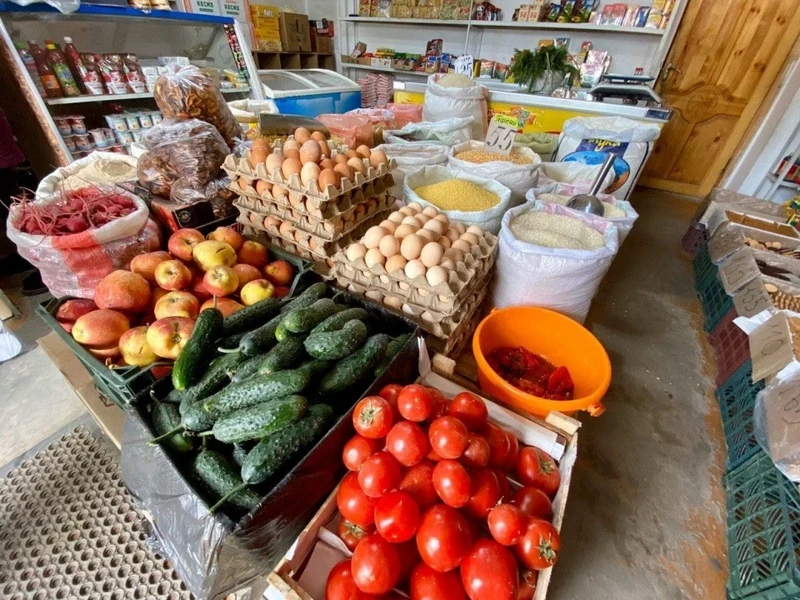
Chekirbaev also reminded that during the period when the price of carrots exceeded 100 soms, the price of potatoes and onions remained stable, which was caused by a shortage of carrots in Russia and Belarus, which began to actively purchase this product from Kyrgyzstan.
"In such situations, one can experience both joy and sadness. High prices benefit farmers, but create difficulties for those who spend a significant part of their income on food," noted Chekirbaev.
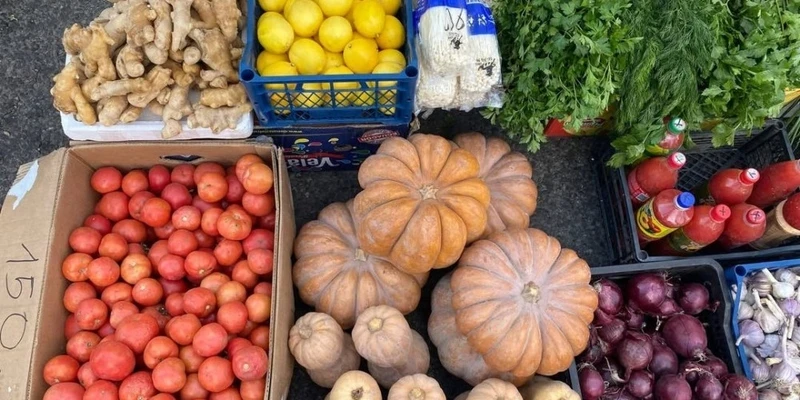
From the producers' perspective, rising prices can be seen as a positive aspect, as over 60% of the population lives in rural areas, and farmers' incomes directly depend on the market situation. However, inflation affects not only food but also raw materials, equipment, and services related to land processing and harvesting.
"If food prices did not rise while farmers' costs increased, it would lead to losses, and next year they would not be able to ensure the necessary production volume," explained the expert.
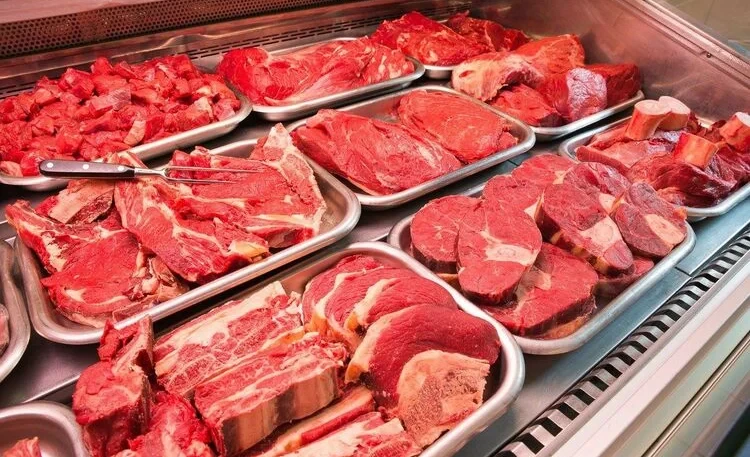
He added that the level of inflation and the cost of basic food products in Kyrgyzstan are lower than those of major trading partners such as Russia and Uzbekistan. For example, meat prices in Kyrgyzstan are significantly lower than in Uzbekistan and Kazakhstan.
As for external factors, he highlighted:
- high inflation in partner countries;
- the influence of the geopolitical situation and tariff wars, which increase logistics costs, especially in the food sector;
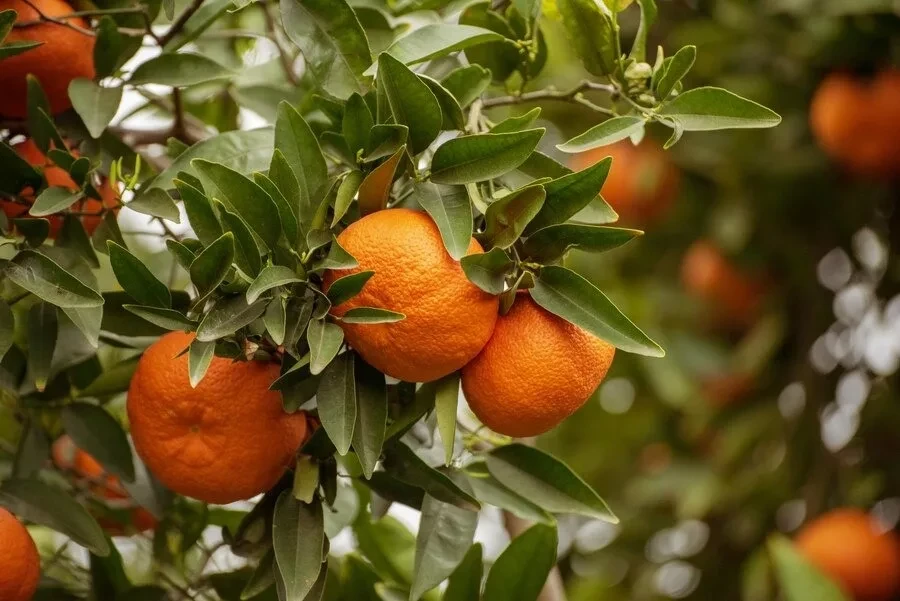
- import dependence of several product groups — primarily fruits, citrus fruits, and bananas;
- climate change, including the drought observed over the past 2–3 years worldwide.