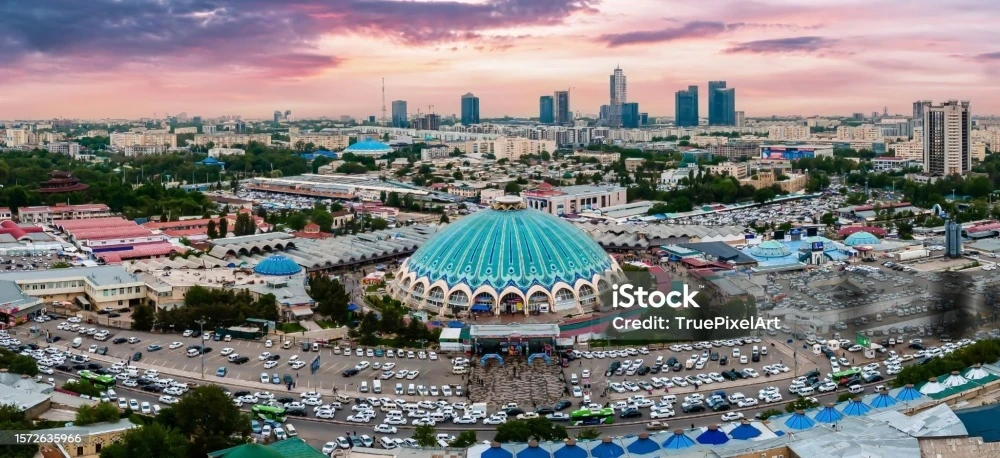
In Tashkent, according to information presented at a press conference by the Center for Traffic Organization (CTO) on March 12, the inefficient transport system leads to losses of $343 million per year, which is equivalent to 1.27% of the gross regional product. This new structure has been established to unify transport management, which was previously carried out by numerous different organizations.
The Deputy Mayor of Tashkent for Transport and Road Infrastructure, Abdurakhmon Bakhtiev, noted that as the city grows, the load on the transport network increases.
He emphasized: "There is a need to transition to traffic management based on system data and analytics."
770 thousand cars a day instead of 400 thousand
With a city population of 3.2 million, including 1.5 million daily commuters and 500 thousand temporary residents, the actual number of people in Tashkent reaches 5-5.2 million, as reported by Olloyor Norbutaev, head of the public transport priority department at the CTO. The annual population growth is 110 thousand.
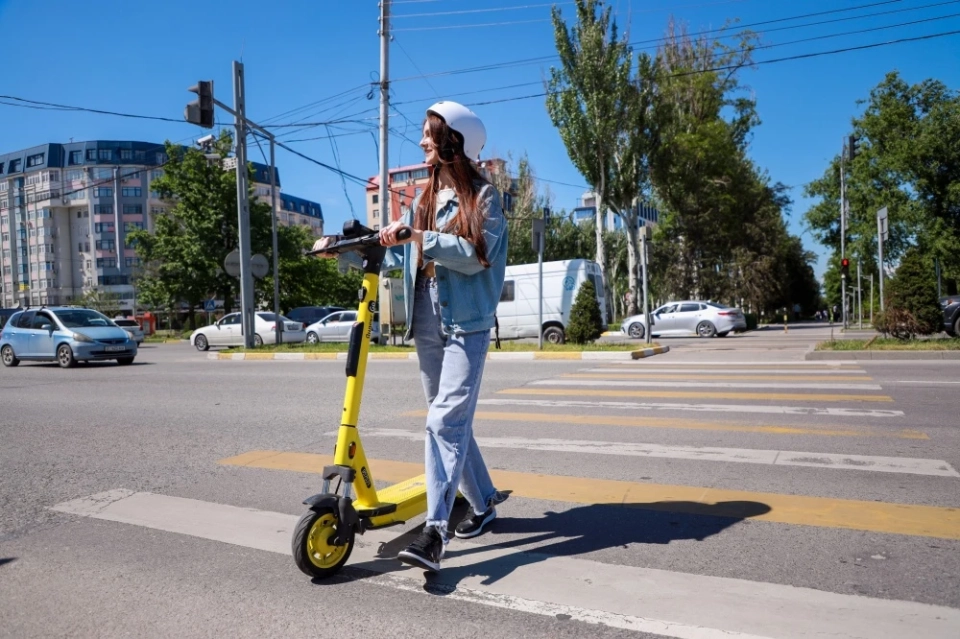
Those who move around the city daily amount to about 3.4 million, of which 1.1 million are students, and 700 thousand work in government institutions. These residents make 11.2 million trips a day, of which 7.6 million are made using transport, and 3.6 million are on foot. Only 5% of them (about 400 thousand) use micromobility options such as bicycles and scooters.
There are 1.3 million registered cars in the capital, with an annual increase of 80 thousand. Of these, 833 thousand are in Tashkent, while 500 thousand enter the city daily.
The street and road network of the city spans 4884 km, including 4523 km of internal roads, 289 km of central roads, and 72 km of international roads. These roads are designed for 400 thousand cars a day, but the actual number is 770 thousand. The CTO aims to reduce congestion levels by 30% by 2030.
An analysis of the main transport arteries, totaling 472 km, showed that 57.4 km of them experience an 8-10 point load, leading to congestion. More than 411 km of roads were built over 10 years ago and are at 87% wear.
Low level of public transport
Despite recent improvements, such as the purchase of new buses and metro trains, the share of public transport in the total volume of trips remains low. Only 30-35% of trips (approximately 2.6 million) are made using public transport, while 4.6 million are made by private cars, which increases congestion in the city.
In cities with well-developed public transport, its share reaches 60-65%. According to a decree from the President of Uzbekistan dated December 4, the goal of the CTO is to increase the share of public transport to 60% by 2030, with 50% of that being electric buses.
One reason for the low popularity of public transport is the lack of rolling stock. Experts noted that there should be one bus for every 1000 people, whereas in Tashkent this figure is 0.6 buses per 1000 people.
Currently, there are 1897 buses in the city, and plans are in place to increase this number to 3161. Public transport currently carries 1.5 million passengers daily, while the target is 3.4 million.
The metro covers only 16% of the city's population and carries 1 million passengers a day, but plans are to increase this to 2 million.
There is also a need to revise the public transport network, including stops, and ensure its priority, as dedicated lanes are often poorly organized, and there is a lack of control over violations by private car drivers.
Other transport safety issues
The CTO highlighted other issues, including:
insufficient road safety — in 2022, 1225 traffic accidents were registered, resulting in 90 fatalities, more than half of whom were pedestrians;increased transport inequality — limited mobility for citizens without personal vehicles and difficulties in using public transport;environmental issues related to PM2.5 emissions — 3000 tons per year.
Experts also pointed out engineering and infrastructure deficiencies in the capital's streets that significantly affect safety and the efficiency of movement:
poorly sized intersections with excessively long traffic light cycles;dangerous car turning zones;poor visibility of road markings, making it difficult to understand lane widths and pedestrian crossing locations;lack of safety for pedestrians on multi-lane streets;excessive road width at intersections, allowing drivers to travel at unsafe speeds.
To address transport issues and improve road safety, the CTO has developed short-term, medium-term (up to 2027), and long-term (2028-2030) goals aimed at reducing accidents, congestion, and harmful emissions, as well as improving mobility conditions for Tashkent residents.
Source: gazeta.uz