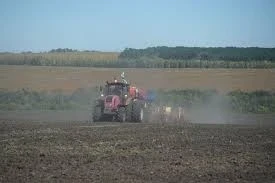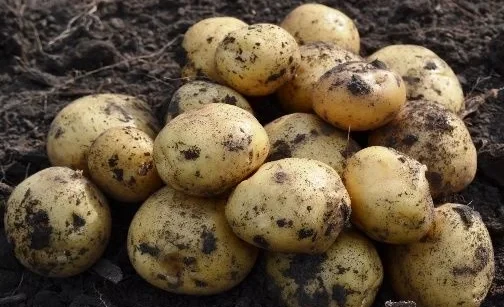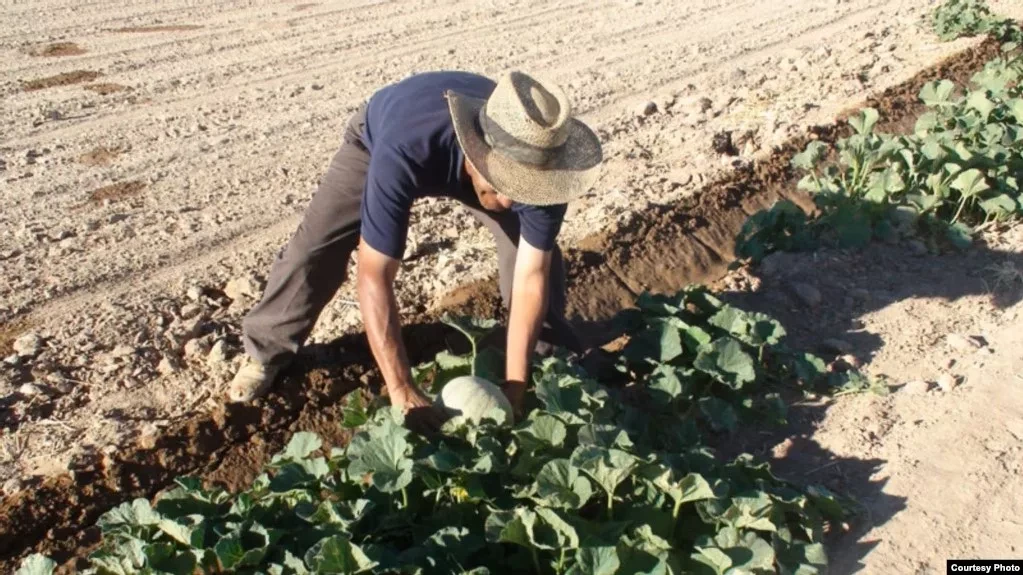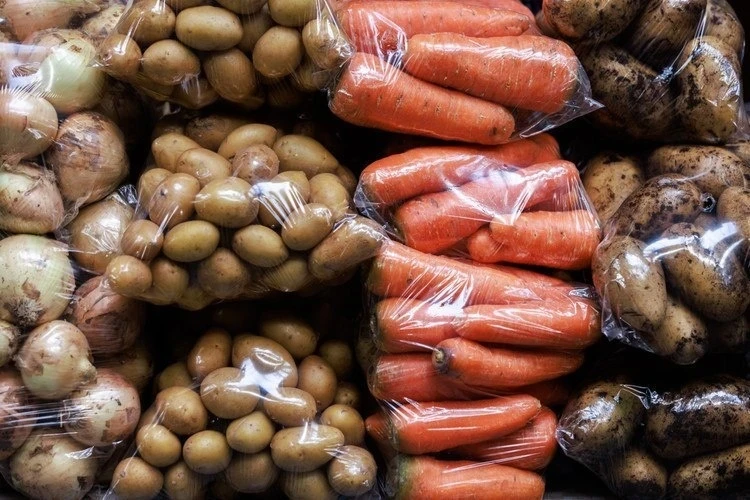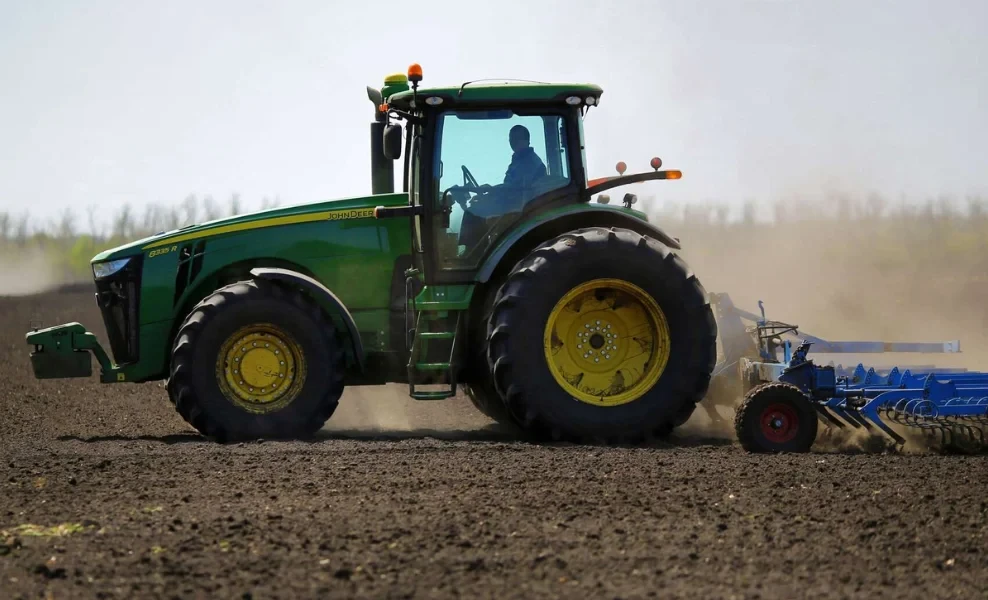
According to the ministry's information, approximately 66 thousand hectares of land have already been sown with grain crops and vegetables. For comparison, during the same period last year, this figure was about 25 thousand hectares. The structure of the sowings is dominated by: wheat – about 41 thousand hectares, barley – 45 thousand hectares, and potatoes – about 5 thousand hectares.
According to the head of the department, the most active work is currently being carried out in the Batken, Osh, Jalal-Abad, and Chui regions. In the Issyk-Kul and Talas regions, the sowing campaign has only recently started, while in the Naryn region, work has not yet begun due to unfavorable climatic conditions.
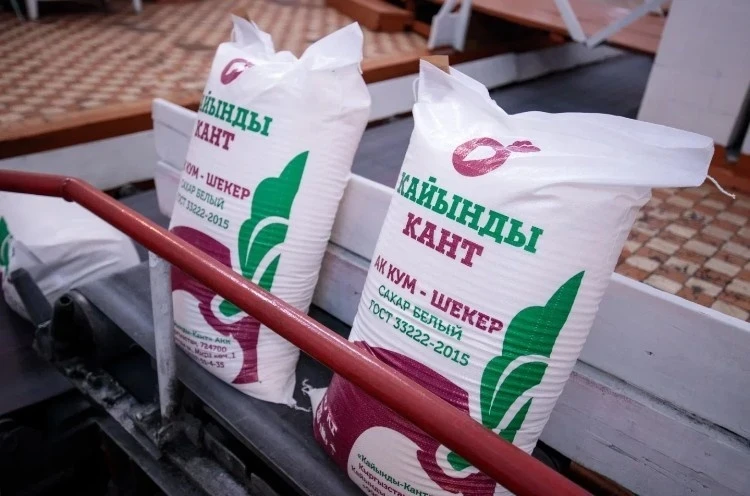
Traditionally, the sowing campaign started in the south of the country — first in the Aravan district of the Osh region, then in the Nookat district. Currently, almost all districts of the southern regions and the Chui region are involved in the work, with a primary focus on sowing grains. In the coming days, the sowing of corn and sugar beets will begin.
Resource Provision: Seeds, Equipment, and Fertilizers
The ministry emphasizes the high level of readiness of the agricultural sector for spring work. Currently, the provision of grain seeds is about 88%, and for other crops — almost 100%. There are 86 seed farms actively operating in the republic, through which farmers receive subsidies for seeds. The government allocates subsidies for wheat, barley, corn, potato, and alfalfa seeds.
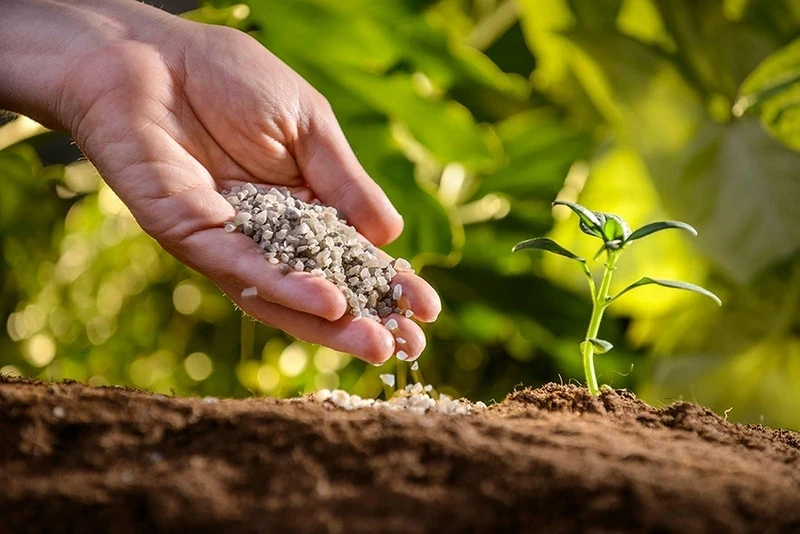
As for mineral fertilizers, about 35 thousand tons have been imported into the country since the beginning of the year, of which approximately 10 thousand tons are currently available. Prices range from 24 to 35 soms per kilogram depending on the type of fertilizers – nitrogen, phosphorus, or potassium. The provision of pesticides is about 35%, however, specialists do not report any shortages.
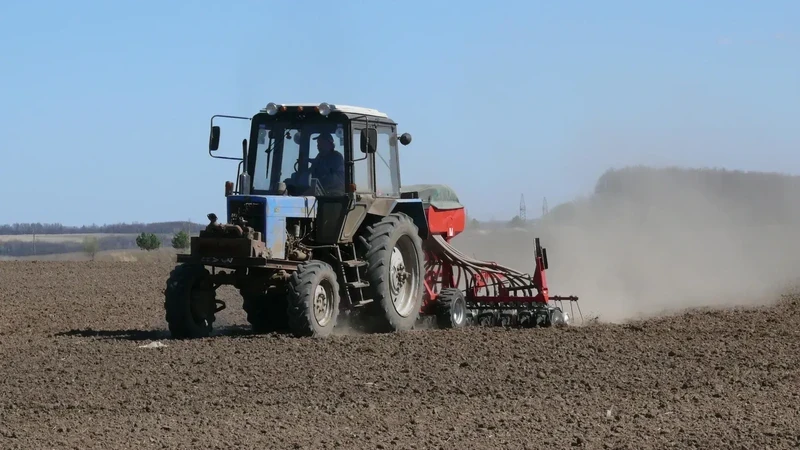
The technical readiness of farmers also reaches a high level, about 90%. There are more than 95 thousand units of agricultural machinery in the republic, including tractors, combines, and seeders. About 22 thousand units are planned to be used for spring work.
Fuel and Preferential Conditions
Agriculture requires about 42 thousand tons of diesel fuel and 12 thousand tons of gasoline per year. Oil traders report that the necessary volume of fuel is available at gas stations.
Additionally, through the Material Reserves Fund, farmers have been allocated about 7 thousand tons of fuel at a preferential price of 74 soms per liter. Farmers can also purchase fertilizers on preferential terms through district agricultural development offices.
Seed Production and Export
One of the strategies remains the improvement of the seed fund. The ministry, together with the Kyrgyz Scientific Research Institute of Agriculture, plans to develop the scientific base and attract young specialists to breeding, as the average age of specialists in this field is about 70 years.
In recent years, Kyrgyzstan has begun to enter the international seed market. In particular, alfalfa seeds were exported to Russia, pumpkin seeds to Japan, and corn seeds were sent to Uzbekistan for testing, while alfalfa and potato seeds were sent to Belarus.
Moreover, a vegetable seed production plant has been launched in the Sokuluk district, which will start operating this year. A new enterprise for the production of grain seeds is being built in the Chui region. An agreement has also been reached with a Dutch company to build a factory for the production of elite potato varieties, which is expected to launch next year.
Water Resources as a Risk Factor
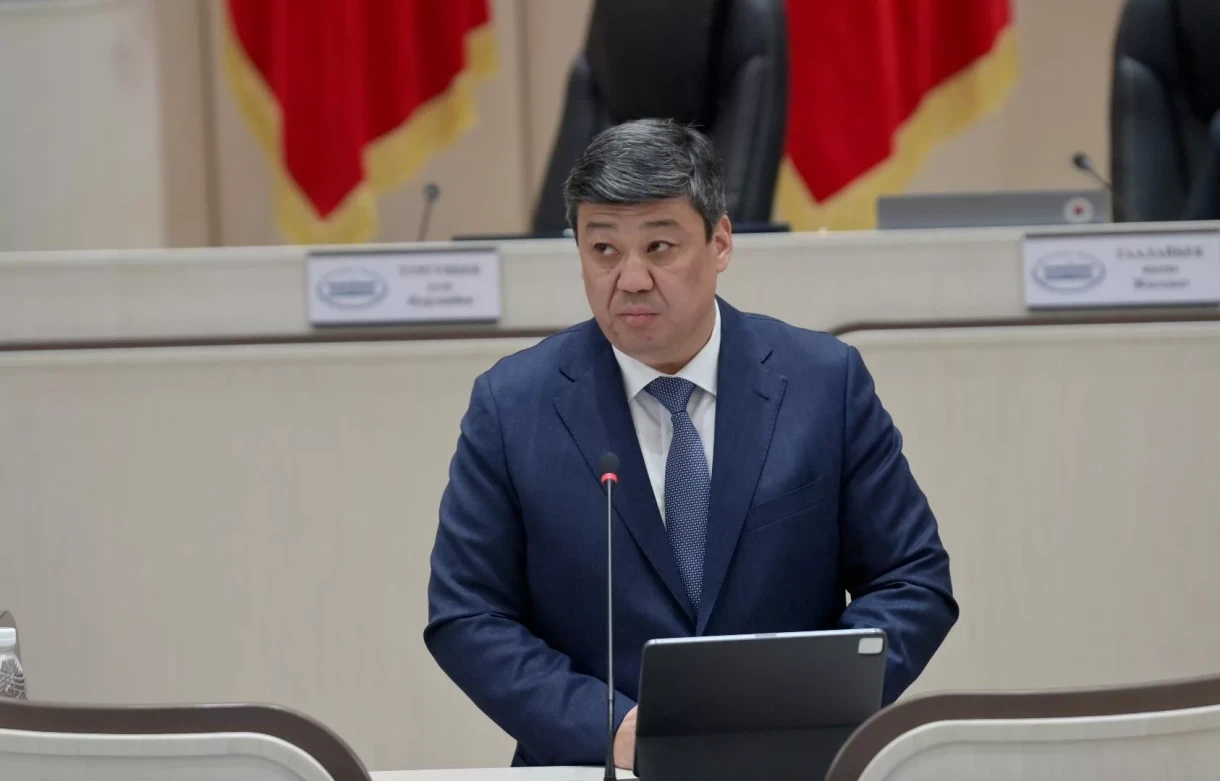
However, the growing problem of diminishing water resources raises serious concerns. As reported by Bolotbek Tashtanov, head of the water policy and drinking water supply department at the Ministry of Agriculture, the decrease in water reserves is a global trend.
In response, the ministry has focused on several areas: the reconstruction of existing irrigation and water storage systems built back in the 1950s and 1960s; revising the crop structure considering the water consumption of crops and the potential transition to drought-resistant varieties in conditions of water scarcity.
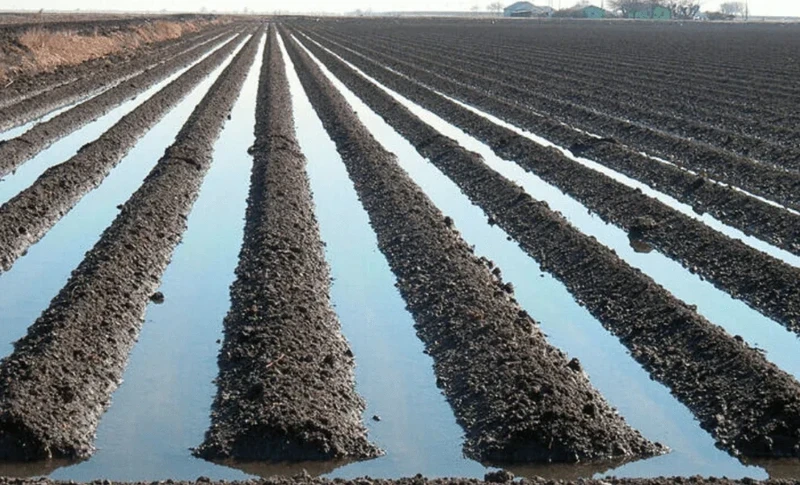
According to the Ministry of Agriculture, if in 2025 about 5 billion 7 million cubic meters of water were used from sources, the volume for the current season is estimated at 6 billion 303 million cubic meters. Last year, there was already a shortage of water in the Chui region, the Talas valley, and the southern regions.
To prevent such situations, special headquarters have been created in the regions to coordinate and rationally distribute water resources during the fieldwork period.
Currently, spring fieldwork in the republic is proceeding as planned. Farmers are recommended to purchase certified seeds through official seed farms, which will contribute to increasing the yield and quality of agricultural products.
The authorities emphasize that operational headquarters in the districts are ready to respond to potential problems faced by farmers and ensure the stable conduct of the sowing campaign.