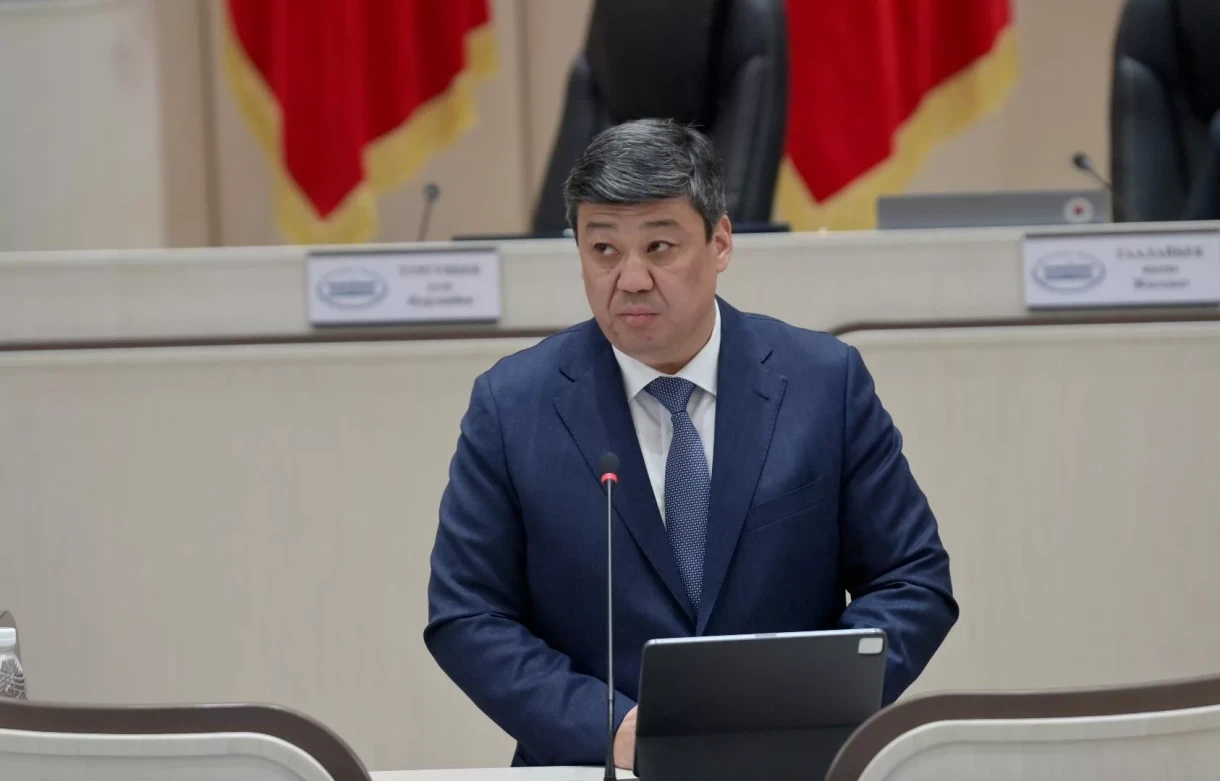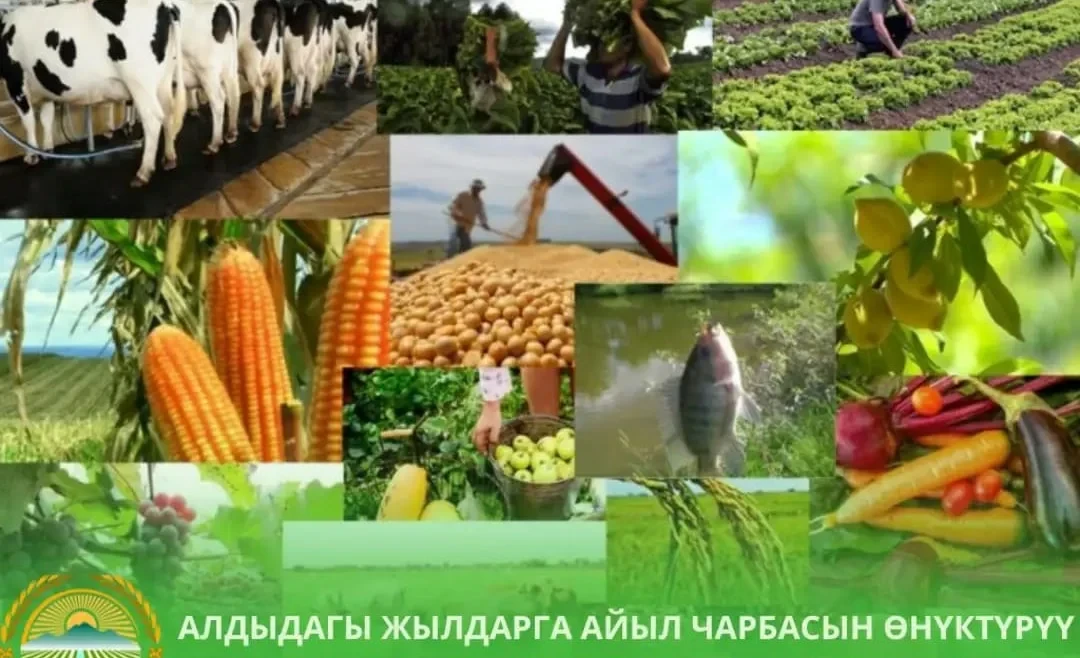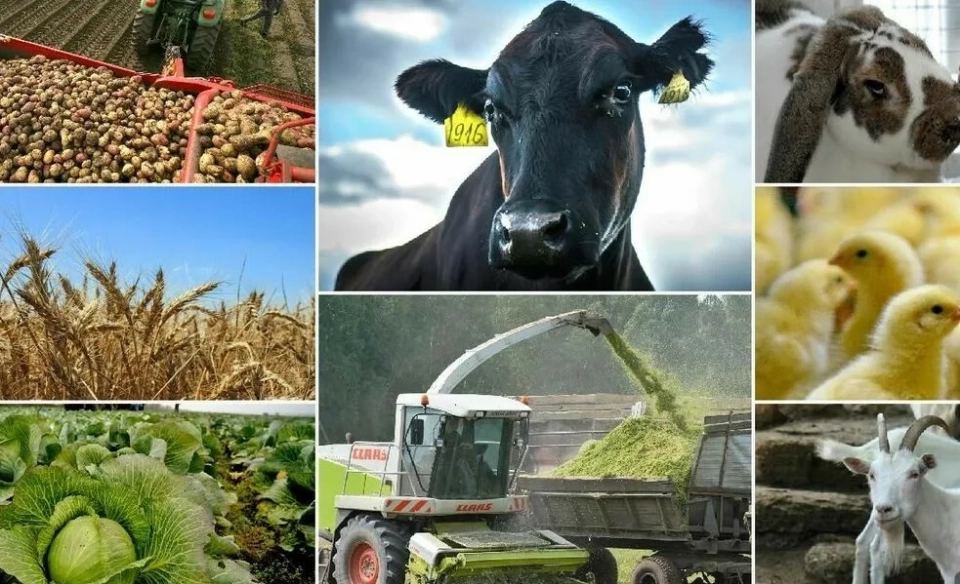





In the spring period, fieldwork has begun in Kyrgyzstan, starting two weeks earlier than usual due to favorable weather conditions. This was reported by Turatbek Idirisov, head of the department for crop production, horticulture, and cooperation of the Ministry of Water Resources, Agriculture, and Processing Industry, in an interview with the Kabar agency.

As of February 9, 2026, nearly 30 thousand hectares have already been sown. In particular, 11 thousand hectares are allocated for wheat: 5.5 thousand hectares in the Osh region, 2.5 thousand hectares in Jalal-Abad, 1.7 thousand hectares in Chui, and 1.5 thousand hectares in Batken regions. Barley has been sown on 18.9 thousand hectares, of which 6.6 thousand hectares are in Chui and 6.3 thousand hectares in Osh regions, 3.2 thousand hectares in Jalal-Abad, and 3 thousand hectares in Batken region.
Potato crops occupy 2.5 thousand hectares, where 1.7 thousand hectares are in Osh region, 600 hectares in Jalal-Abad, and 80 hectares in Batken region. In the Aravan district, 5 hectares of vegetables have been planted. In the northern regions, mass sowing will begin soon.
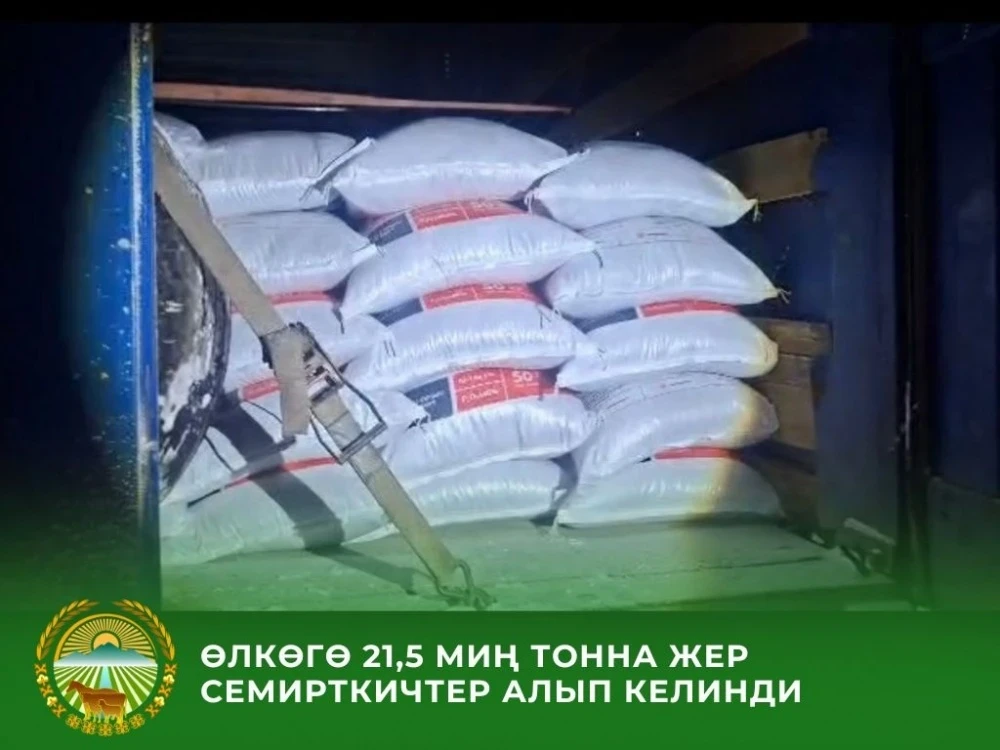
Idirisov also noted that the republic needs 182 thousand tons of mineral fertilizers per year. Currently, about 33 thousand tons have been imported, and more than 40 specialized sales points have been organized for farmers. The readiness of agricultural machinery is at 85%, with 18,912 out of 22,359 tractors fully ready for field work.
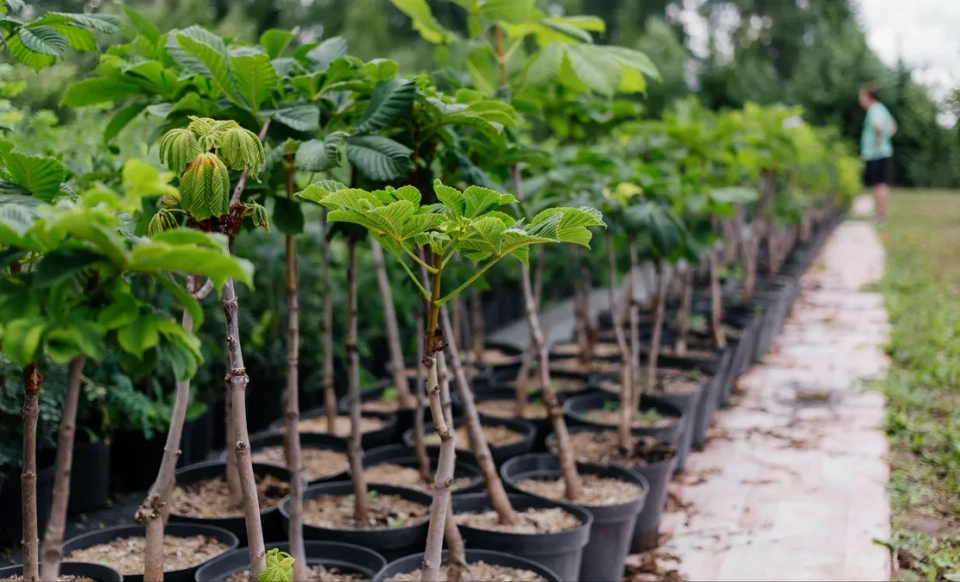
The level of provision of grain seeds reaches 87%. The state supports farmers by providing a subsidy of 30% for their purchase through 86 domestic seed-growing enterprises. For other crops, the level of provision is 90-100%. Additionally, 15 million seedlings of fruit and berry crops have been prepared in 24 nurseries.
The provision of fuel is also under control: the seasonal need is 42 thousand tons of diesel fuel. Farmers can purchase fuel through the State Material Reserves Fund at a fixed price of 74 soms per liter in each district.

Due to the possible water deficit caused by the warm winter, the ministry urges agrarians to implement water-saving technologies. The repair of canals, wells, and other facilities for ensuring uninterrupted irrigation continues.
Despite the recent adverse weather conditions, experts are confident that from next week, spring fieldwork will resume in full across the country.