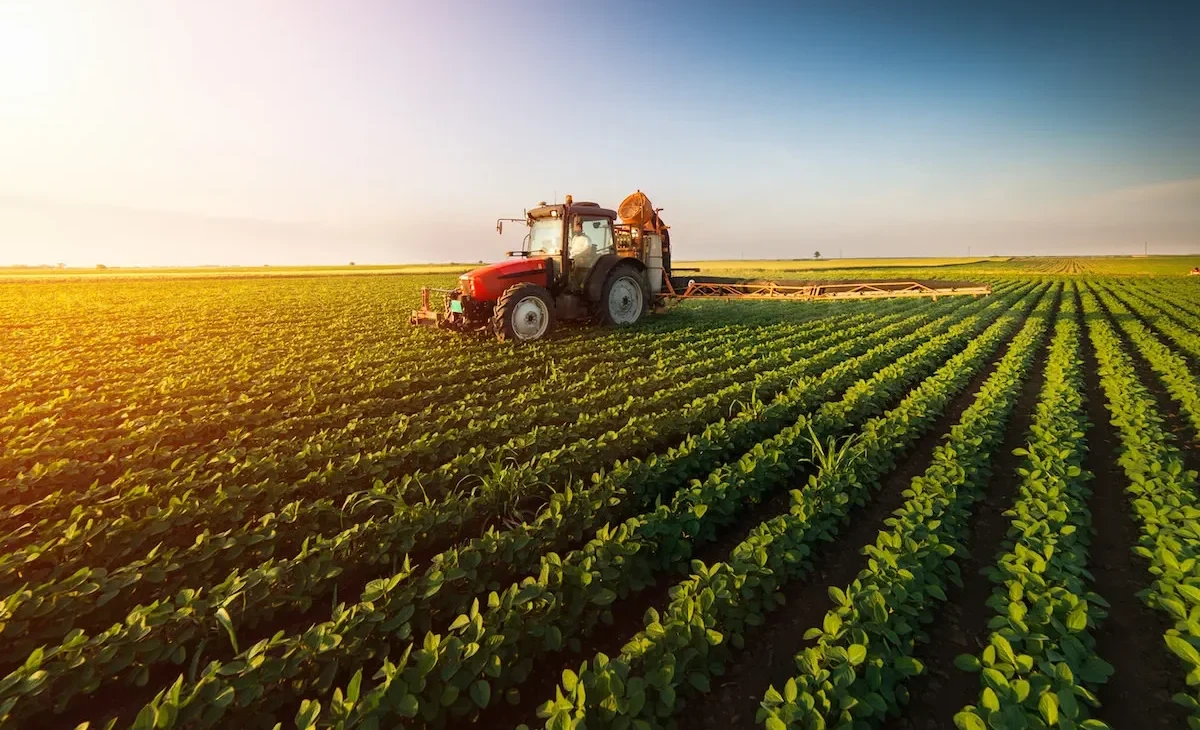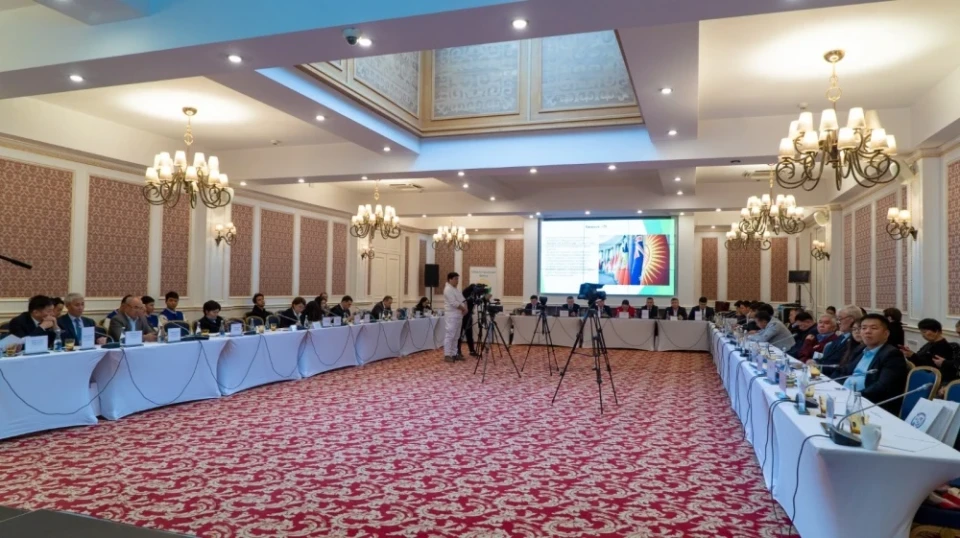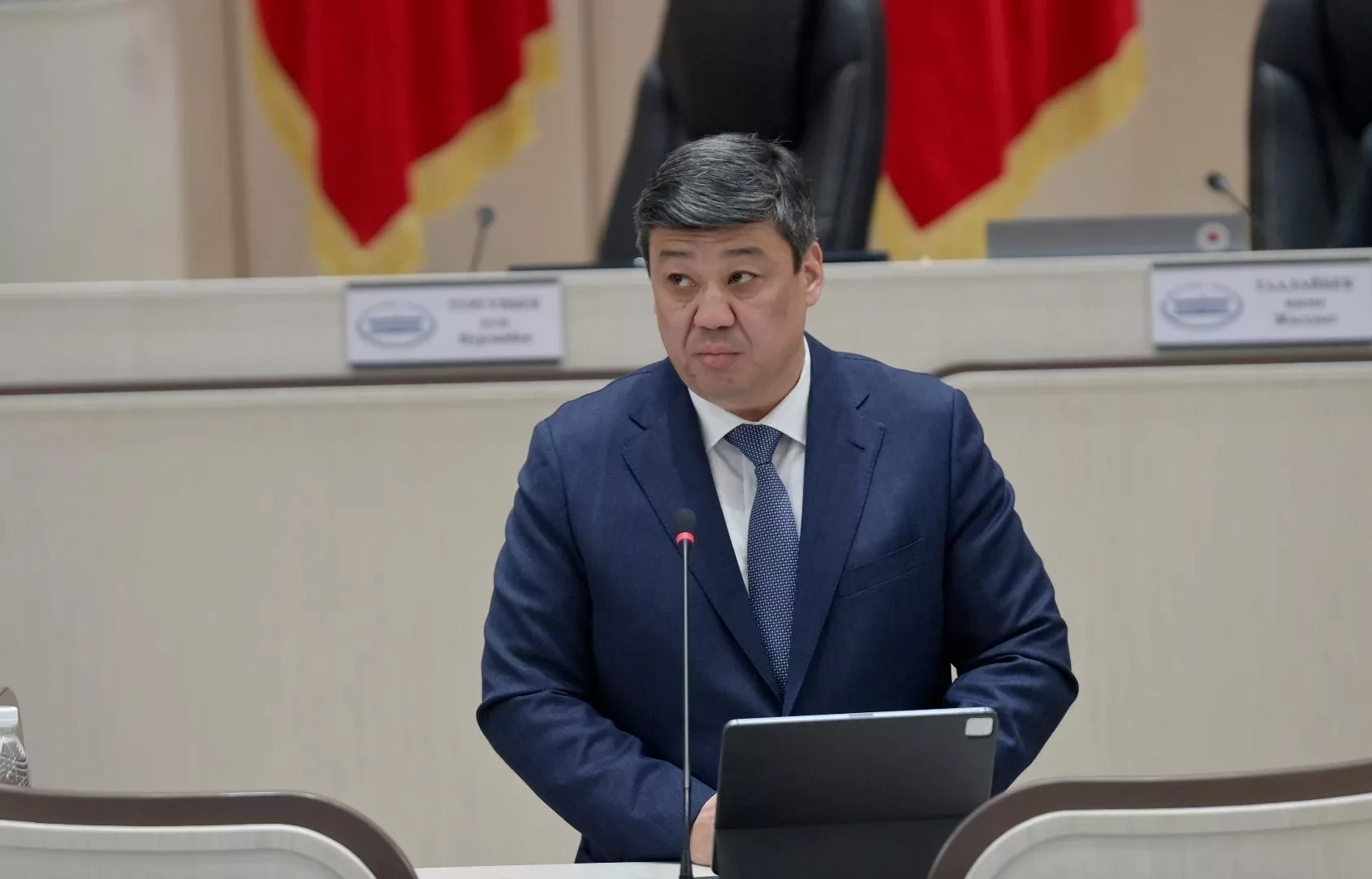
During the meeting of the Jogorku Kenesh, the Minister of Water Resources, Agriculture, and Processing Industry Bakyt Torobaev presented a report on the preparation for the spring field works.
According to the minister, the spring field works include several key activities, such as ensuring uninterrupted water supply for irrigation, preparing new high-quality seeds, repairing agricultural machinery, and timely delivery of fertilizers and fuel-lubricating materials, as well as sharing experiences and training in modern agronomic technologies.
The minister emphasized the importance of responsible preparation for successful spring field works, highlighting several aspects.
Preparation of Irrigation Systems
Currently, there are 498 reservoirs functioning in the country, with a total design capacity of 1 billion 757 million cubic meters. However, the actual accumulated water is only 939.3 million cubic meters, which is 32% less than last year.
In 2026, it is expected that sowing works will be carried out on an area of 1 million 250 thousand hectares, of which 885 thousand hectares will be irrigated lands. An average of 6.3 billion cubic meters of water will be required for their irrigation, which is planned to be supplied 4-5 times.
This year, 12.3 billion soms have been allocated from the state budget for the restoration and repair of irrigation facilities. These funds will be directed towards:
- cleaning and repairing 776 km of canals;
- concreting 657.4 thousand sq. m (112.6 km) of canals;
- repairing 590 hydraulic structures;
- updating 508 water measurement posts;
- repairing 91 pumping stations and 170 pumping units;
- updating 46 pumping units;
- installing 1,500 electronic control devices for measuring water;
- cleaning 225 km of collector-drainage systems.
As of 2025, 15,051 wells have been registered, of which 308 have been inspected and 50 have been put into operation. In 2026, it is planned to put 83 new wells into operation.
To prepare water management facilities for the irrigation season of 2026, it is planned to attract 203 units of equipment from the Water Resources Service and about 1,000 units from local aiyl okmotu.
In 2026:
- construction works will be carried out at 61 facilities (15 will be completed, 24 will continue, and 22 will begin);
- design works will be conducted at 78 facilities (10 will be completed, 41 will continue, and 27 will begin).
A total of 139 irrigation facilities across the country will undergo construction and design works.
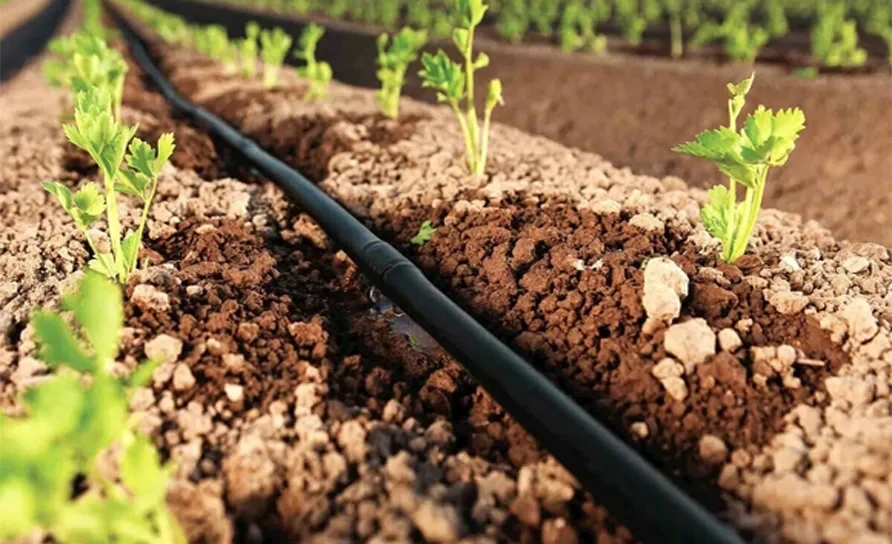
Drip and sprinkler irrigation systems will be implemented on an area of 20 thousand hectares, of which 5,270 hectares will receive state support (3,338 hectares in 2025), while 14,730 hectares will be developed by farmers (14,452 hectares in 2025).
Particular attention is given to the fact that in 2026, farmers using water-saving irrigation technologies will be provided with preferential loans at 2% per annum for a total of 1 billion soms.
Winter Crops for 2026
In the fall of 2025, 252.6 thousand hectares were plowed, of which:
- 157.9 thousand hectares were sown with winter grain crops;
- on 94.7 thousand hectares, winter plowing was conducted.
To implement operational solutions for the preparation and conduct of spring field works, headquarters have been established at the republican, regional, and district levels.
Seed Supply
For 2026, 69 thousand tons of grain seeds will be needed. Currently, 57 thousand tons have been procured, which is 82.5% of the required volume.
The supply of seeds for oats, rice, tobacco, legumes, and soybeans is at 100%. The missing volumes will be covered by subsidies and seeds sold by seed-growing farms.
By 2026, 22 nurseries will prepare 15 million 37 thousand seedlings.
In addition to the main agricultural crops, work is underway in the Batken and Kadamjai districts to grow citrus seedlings. As a result, mandarins, oranges, lemons, and kumquats have already been produced.
In 2024, 4,839 tons of products were produced from 1,058 hectares, and in 2025, 7,149 tons of subtropical products were obtained from 1,056 hectares. Citrus production continues to grow.
Also, in the Ak-Tal district of Naryn region, trials of oilseed safflower of the "Yershovsky" variety were conducted on 20 hectares of rainfed land, resulting in 20 quintals per hectare. In other regions of the country, the hybrid sorghum "Sudan" is actively spreading, from which up to 100 tons of green mass can be obtained per hectare, significantly contributing to livestock feed supply.
Supply of Fuel and Lubricants
For the successful conduct of spring field works in 2026, 40.4 thousand tons of diesel fuel and 9.7 thousand tons of gasoline will be required.
According to the information from the Association of Oil Traders, there is a sufficient stock of both diesel fuel and gasoline at oil depots and gas stations.
In addition, to ensure the quality conduct of spring field works in 2026, the State Material Reserves Fund will sell 7 million liters of diesel fuel to farmers at a price of 74 soms per liter.