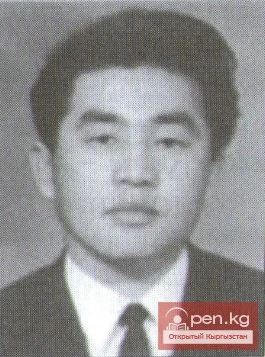
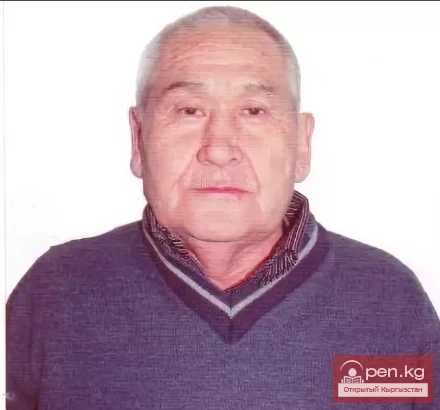
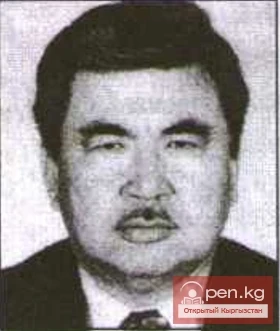
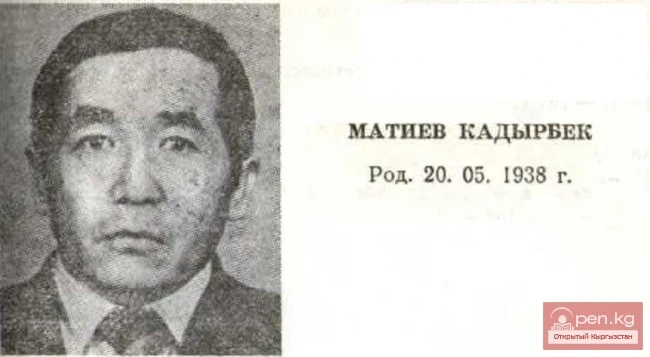
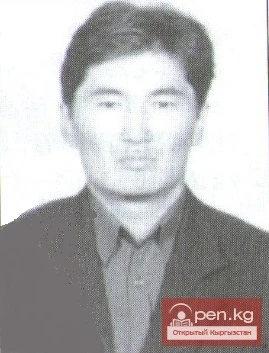
Originally from the village of Ozgorush, located in the Toktogul district, Kadyrbek went to serve in the army after completing his studies. After military service, he worked as a car mechanic at "Narynhydrostroy," and then, with the acquisition of independence, he engaged in trade at the market. Together with his wife, he raised three children: two sons and a daughter.
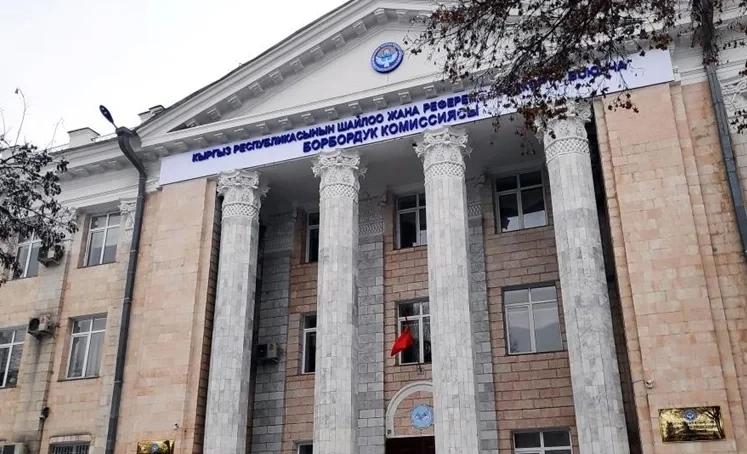
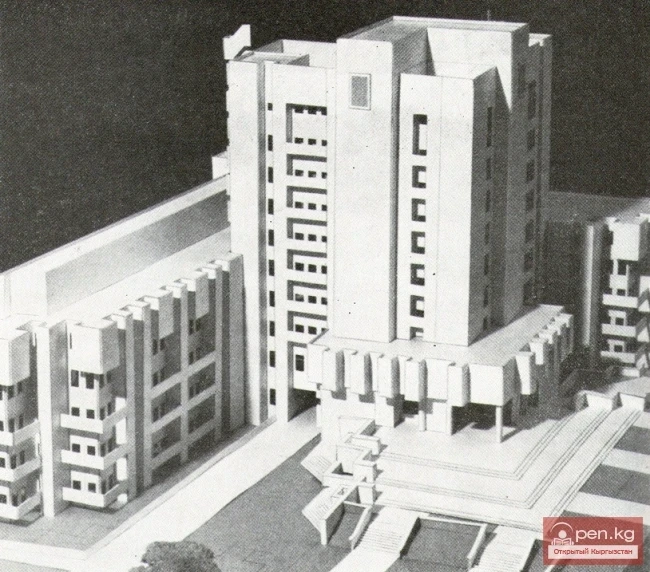
In an interview with a Turmush correspondent, Kadyrbek shared his memories of participating in the construction of the building of the Central Committee of the Communist Party of the Kyrgyz SSR, which is now known as the White House, the workplace of the deputies of the Jogorku Kenesh.
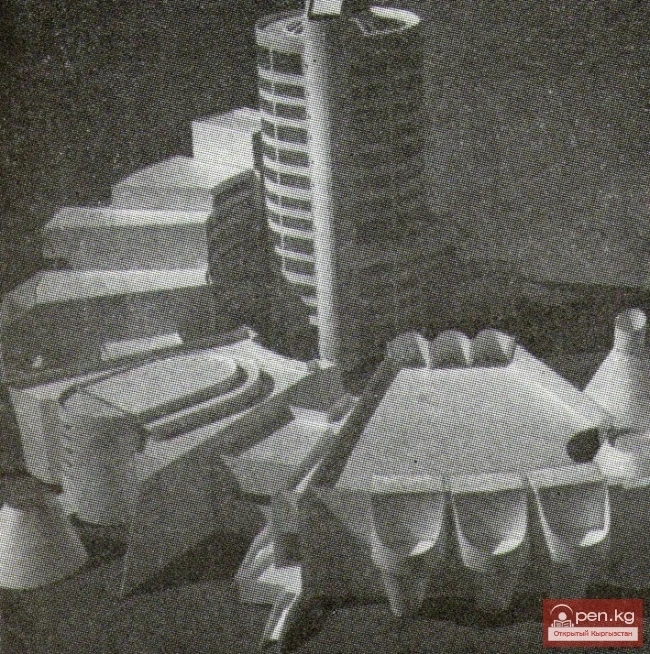
The building was designed by architects Urmat Alymkulov, Alexander Zusik, Rafgat Mukhamadiev, Oleg Lazarev, and Saparbek Sultanov. In 1979, a capsule was laid at the construction site.
According to Chiybılov, he began participating in the construction in 1982. At that time, his earnings were among the highest in the country. "I don't exactly remember what year the construction started because I was young back then. We started working when half of the work had already been completed. In 1982, I graduated from vocational school No. 38 in Toktogul and tried to enroll in the Frunze Polytechnic Institute, but I couldn't. I got a job as a carpenter-concrete worker at 'SMU-8,' where Bogoslovsky was in charge, and Chalov was the foreman. Now it's hard to remember their names. Our team was sent to construct the White House," he recounts.
Chiybılov noted that the main task of their group was to install marble on the facade. "Work started at 7 a.m., and the second shift came at 4 p.m., immediately replacing us. A third shift worked at night. We worked around the clock, installing floodlights for night work. The workday lasted 8 hours in three shifts. I remember there was a crane that we called the 'Pioneer Lift.' It lifted construction materials weighing from 500 to 1 ton," he adds.
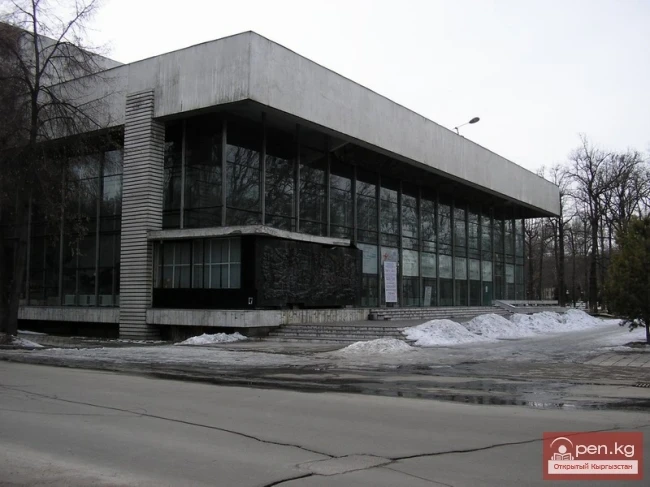
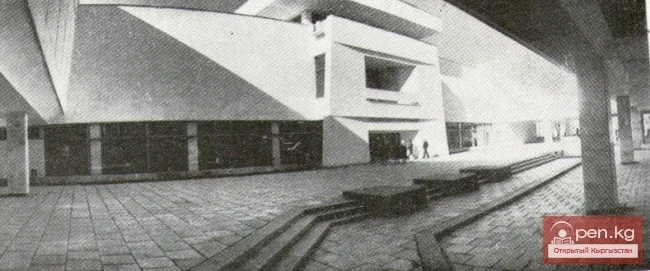
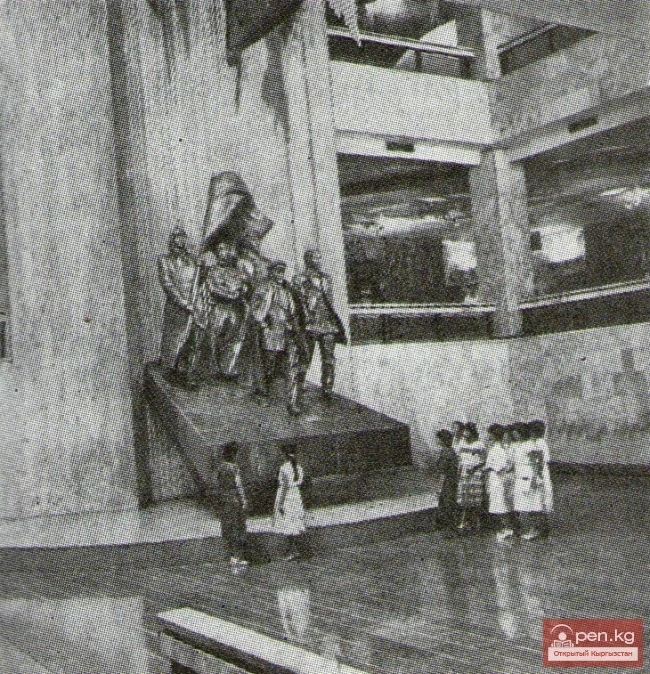
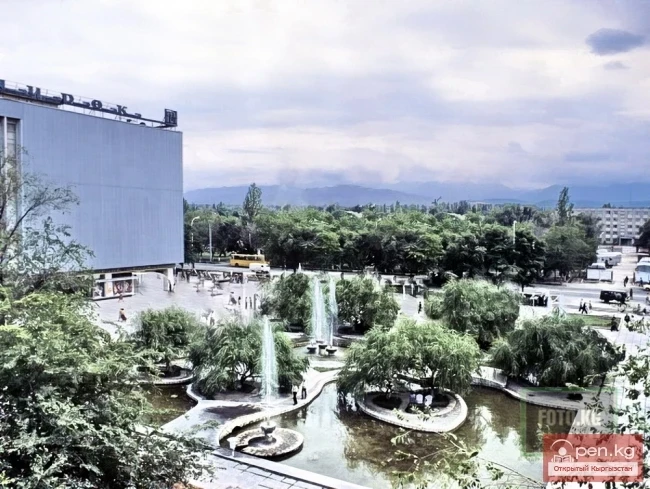
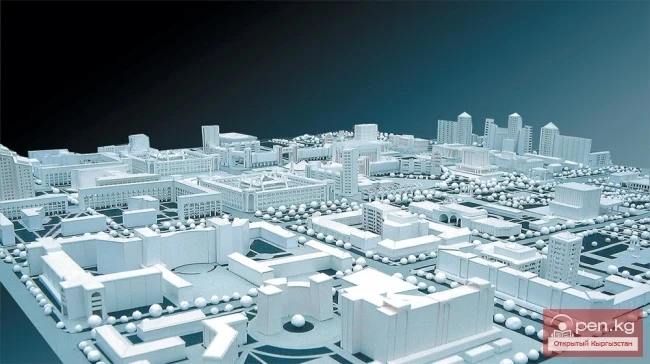
Chiybılov claims that at that time, the White House building was the most significant and valuable. In addition to it, the National Philharmonic, the cinema "Russia," and the museum named after V. Lenin were built. "The streets were spacious and bright, and there was a wonderful view. Politics did not interest anyone — everyone discussed only work and followed the management's instructions. I was an assistant to the master in marble tile installation. We carried slabs, cut them on machines, and lifted them to the required height. Outside, there were ladders made of pipes that we assembled and disassembled. I can't say exactly how many people worked on this site, but there were many. There were teams of electricians, plumbers, and marble workers. The construction was bustling. Nearby was a cafeteria, trailers were being installed, and machines were set up. The building had two underground floors and seven floors above ground. When the youth had free time, we walked around the building under construction and admired its size. The then-leader of the Central Committee of the Communist Party, Turdakun Usubaliev, came to check on the progress of the work but only met with those responsible for the construction," Kadyrbek adds.
In those days, workers received salaries ranging from 250 to 400 rubles. Chiybılov earned 300 rubles. "That was solid money. Experienced specialists earned about 500 rubles," he concluded.