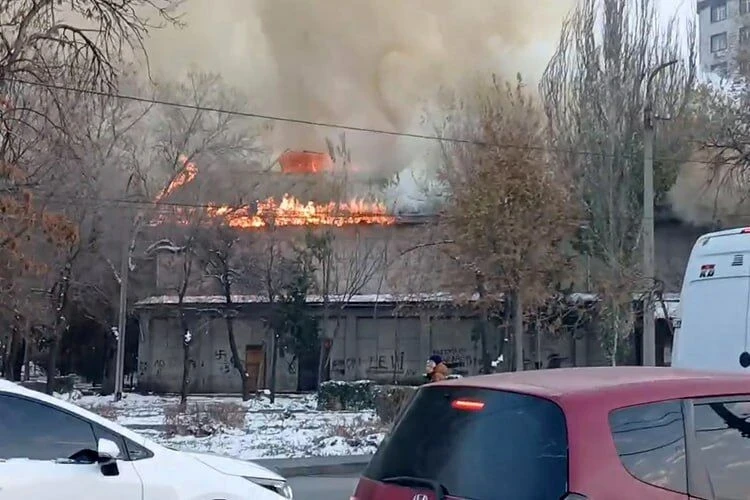
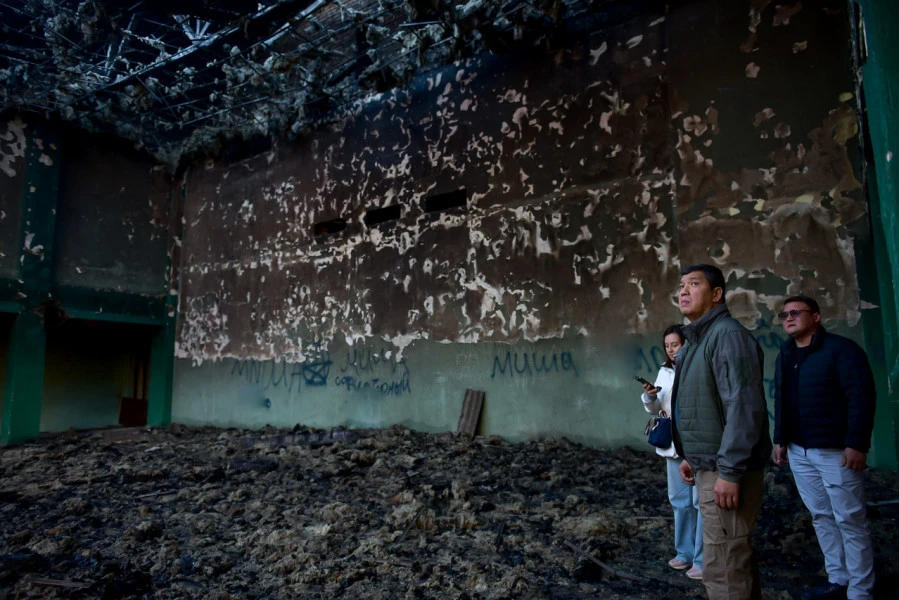
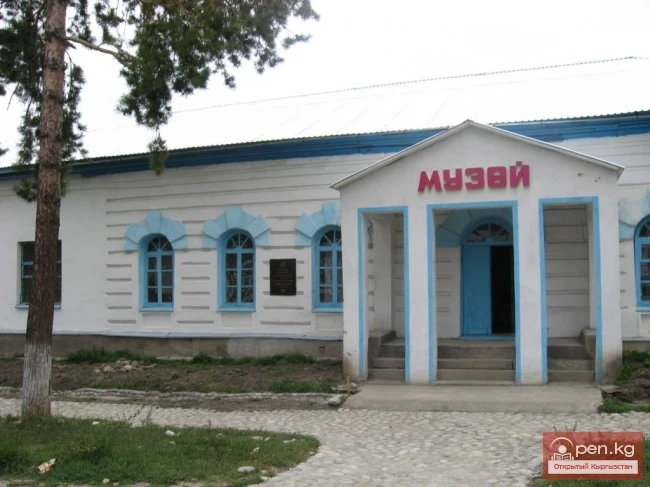
This house, built over 130 years ago in 1895, is situated in the heart of old Karakol. At that time, the city was named Przhevalsk and served as an important administrative center in the eastern part of the Turkestan region.
“Originally, this structure was created as a civil building, likely for the needs of the local administration. The architecture of the building reflects the style of the late 19th century, including tall windows, sturdy brick walls, and strict lines, which emphasize its functionality,” the city administration added.
With the onset of the Great Patriotic War, the building was converted into a veterinary station, where assistance was provided to horses and other agricultural animals used both at the front and in the rear. During this time, Karakol became an important rear base where unnoticed but vital work was done to save animals for the army,” the press release states.
According to the city administration, in the 1970s, the functions of the building changed: it housed the district police department. It was not just a workplace for law enforcement officers but also a center from which raids were organized, investigations conducted, and important meetings held. Discipline and order prevailed here.
“Since 2000, the building has housed the mechanical and technical department No. 6, which continues to serve various state institutions and infrastructure facilities. This building has not lost its significance and continues to perform administrative and technical functions for the district,” the city administration added.
This house has become a living witness to the history of Karakol. It has transitioned from a pre-revolutionary institution to a strategic military point, then became part of law enforcement, and finally, a modern technical facility. The walls of the building hold memories of service, labor, and care. Each generation has left its mark here, and therefore it can rightfully be considered a monument of time.
The site is an example of residential architecture characteristic of the late 19th to early 20th century, executed using traditional construction techniques and architectural elements.
The building demonstrates typological and compositional techniques inherent in the civil architecture of this period, including the proportions of facades, the design of windows and doorways, as well as details of wooden and stucco decor. It has preserved its planning structure and original architectural appearance, which gives it urban planning and cultural value,” noted the city municipality.
- This site is included in the register of architectural monuments of regional significance. It has a protective zone within which new construction that could alter the historical appearance of the area is prohibited, and approvals are mandatory for any repair and restoration work.