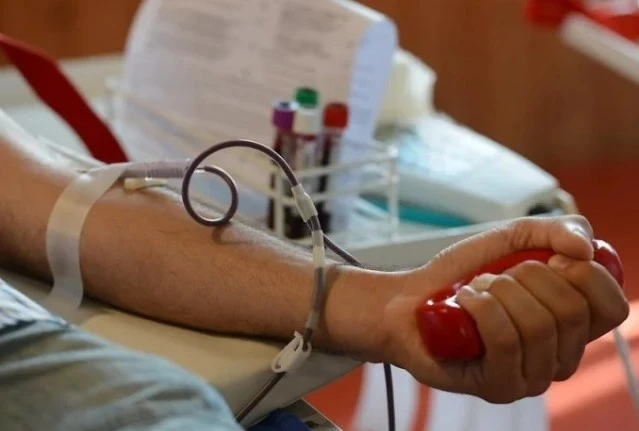
As part of the reforms presented to President Shavkat Mirziyoyev on January 20, the authorities of Uzbekistan plan to implement modern logistics in the blood service, which will include the stages of "demand - processing - delivery." The main goal of these initiatives is to increase the number of voluntary donors from 300,000 to 900,000 by 2030.
The new strategy, covering the period from 2026 to 2030, has been developed taking into account the recommendations of the World Health Organization. In particular, it is planned to raise the donation rate to 30 per thousand residents, which significantly exceeds the current level of 10. This will allow the country's blood reserves to increase from 150,000 to 450,000 liters, fully meeting the needs of medical institutions even in emergency situations.
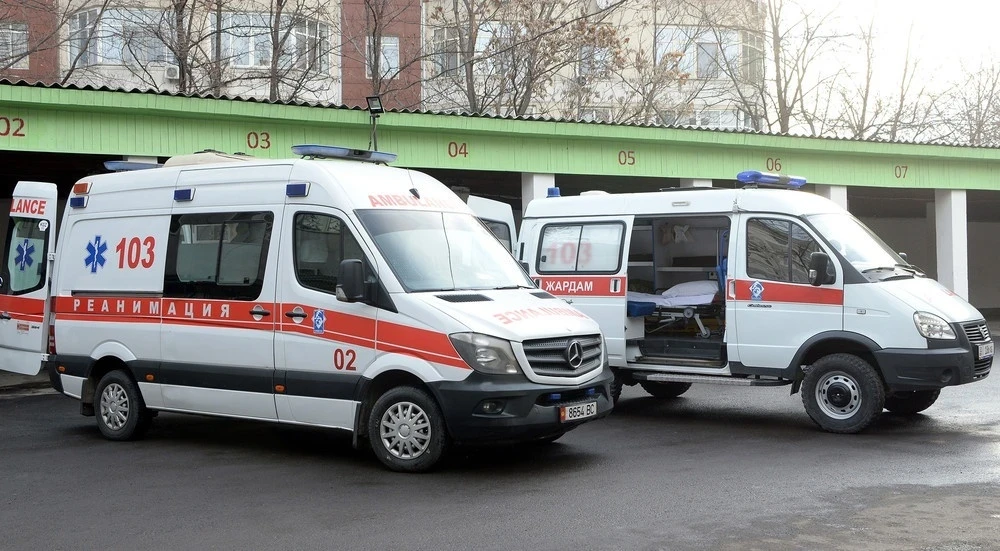
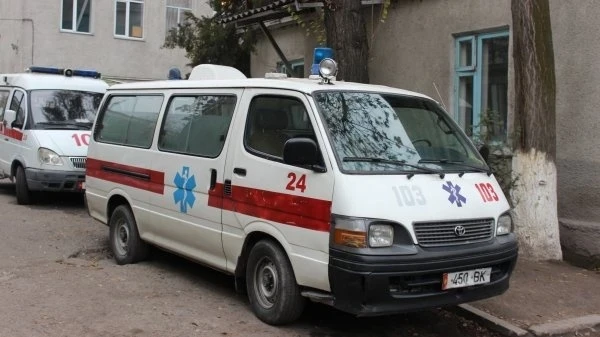
Digitalization will be an important aspect of the reform. An "Electronic Blood Product Accounting" system will be implemented in the republic, which will ensure transparent control over every liter of biomaterial—from the moment of collection to its delivery to patients. This platform will also allow for the integration of clinic orders with emergency medical services in real-time.
The funding for the reforms also looks impressive. This year, the blood service has been allocated 308 billion sums (about 25.5 million dollars). In total, investments in the development of this sector over the next five years will amount to 1.75 trillion sums (approximately 145 million dollars), which will be directed towards modernizing laboratories and promoting donation among the population.