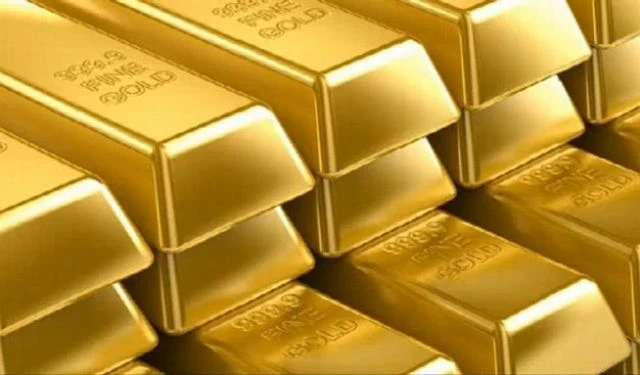
On Sunday, gold (GC=F) surpassed the significant milestone of 5000 dollars per ounce, occurring earlier than analysts on Wall Street had predicted. This surge in precious metal prices has raised a number of questions about its rapid dynamics.
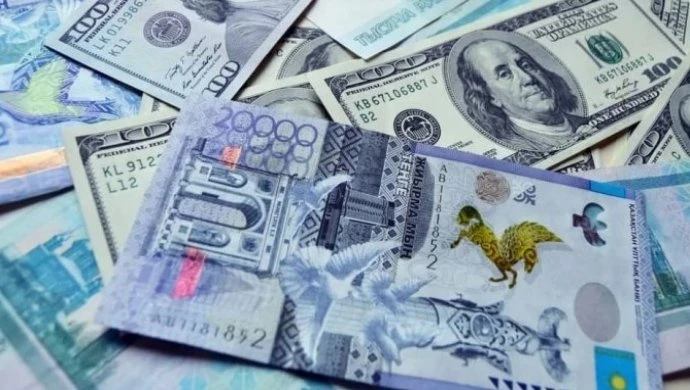
The recent sharp rise in gold prices is a characteristic sign of what is known as "devaluation trading." This strategy involves buying assets to protect against currency devaluation amid rising government debt worldwide.
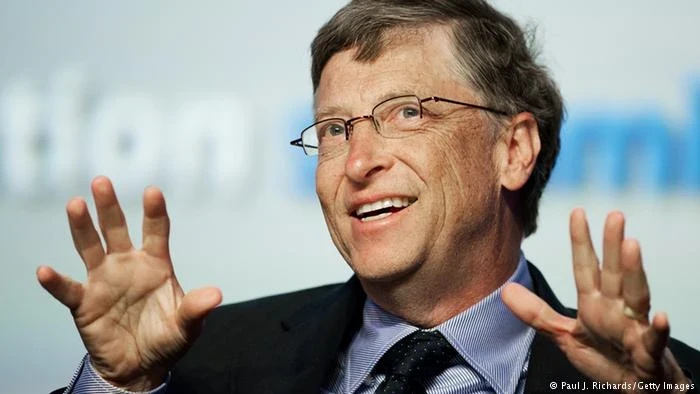
Robin Brooks, a senior fellow at the Brookings Institution, expressed his concerns about this increase, stating that it is "impressive and causes serious alarm," adding that the current changes in gold prices are part of a more global phenomenon.
According to Brooks, we are at the initial stage of a global debt crisis, and markets are increasingly worried that governments may attempt to rid themselves of accumulated debt through inflation.
He also noted that while the US dollar has maintained relative stability over the past six months, its value began to decline earlier this year.
"A decline in the dollar's value will significantly accelerate the rise in gold prices and lead to currency devaluation, which will increase the purchasing power of those not using the dollar," added Brooks.
Analysts at Goldman Sachs recently revised their year-end target price for gold, raising it from 4900 to 5400 dollars. This is due to increased interest from private investors looking to diversify their investment portfolios and protect their assets.
"While we view the risks to our new gold price forecast as two-sided, they are still largely skewed to the upside as private sector investors continue to diversify their portfolios amid ongoing global uncertainty," the analysts noted.
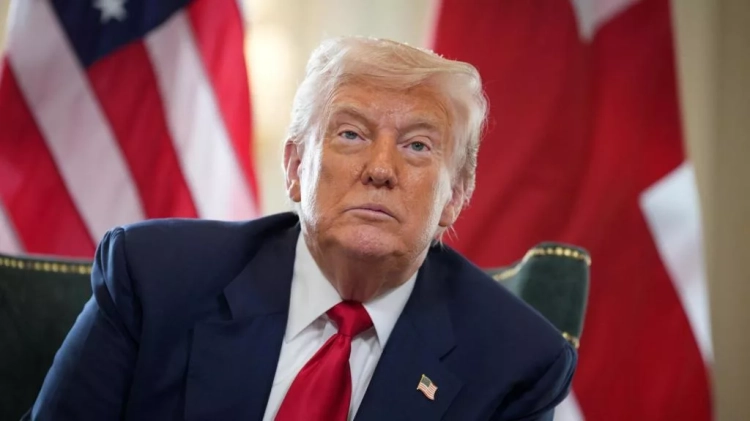
This year, the rise in gold prices has been observed against the backdrop of various geopolitical events, including the capture of Venezuelan leader Nicolás Maduro by the United States and President Trump's threats to impose tariffs on Greenland.
Since the beginning of the year, the price of gold has increased by 15%, following a 65% rise in 2025.
Despite the ongoing high demand for gold from foreign central banks, Brooks from the Brookings Institution believes that this cannot explain such a sharp increase in gold prices this year.
"To say that this is just a bubble in the precious metals market indicates that central banks are not playing a key role in this situation," concluded Brooks.