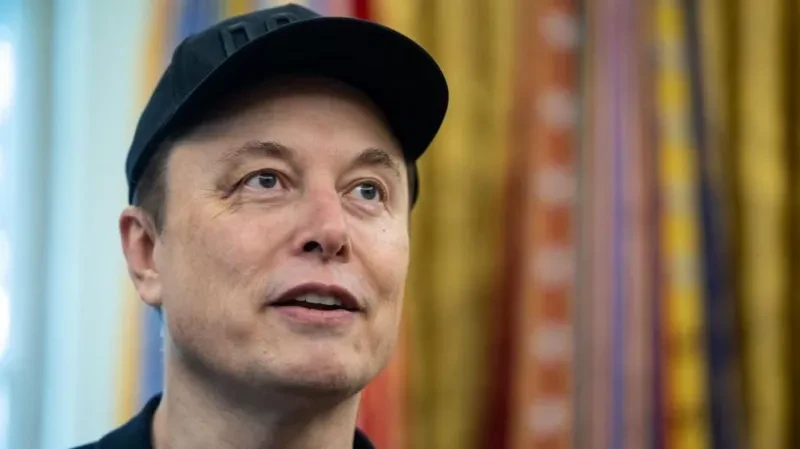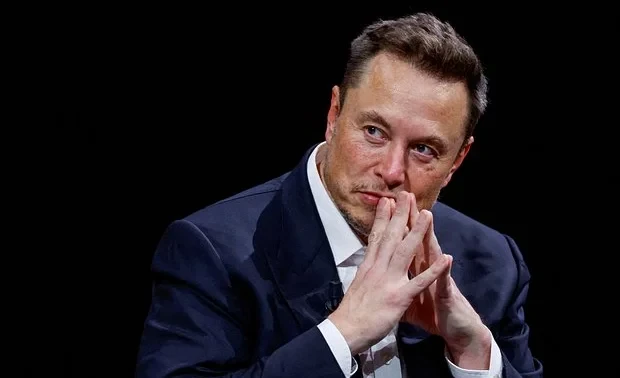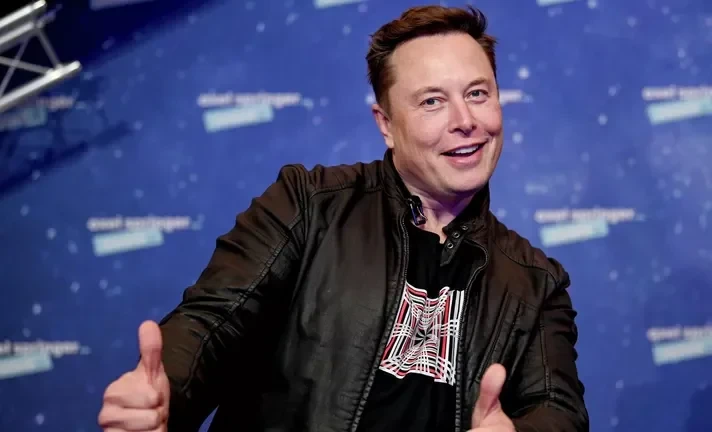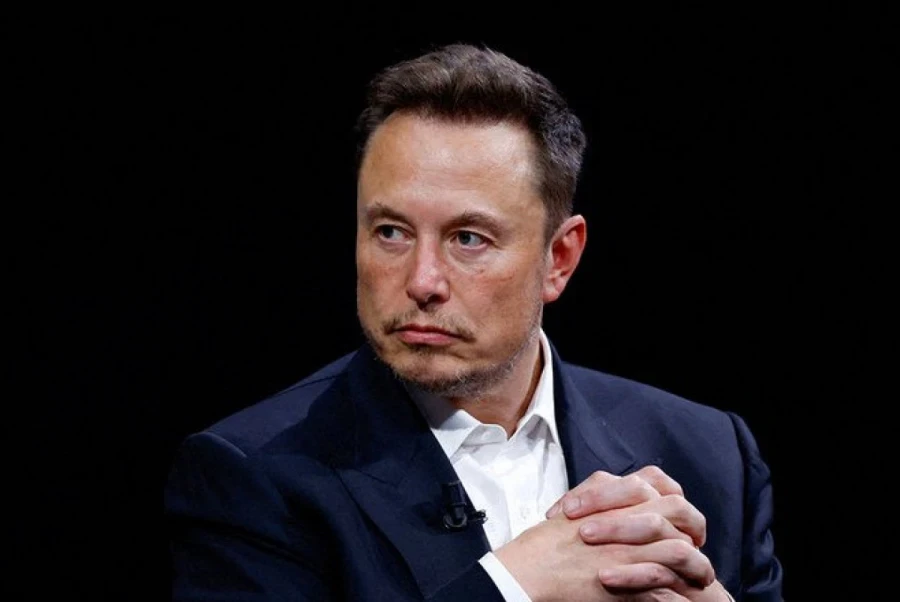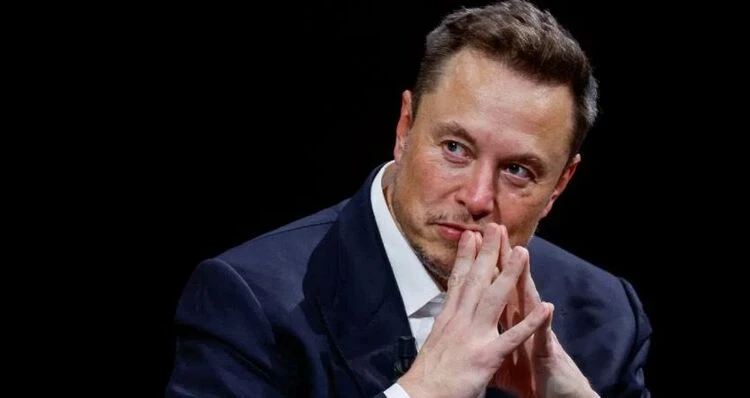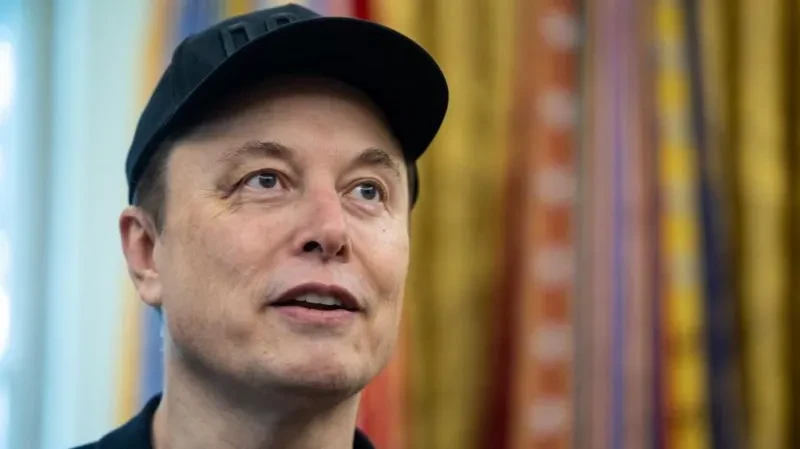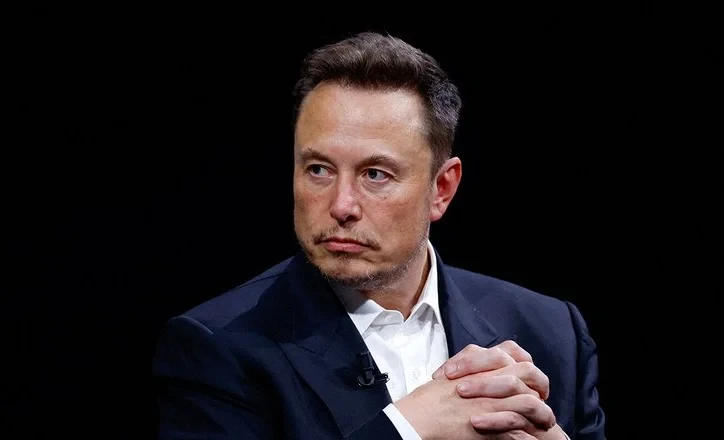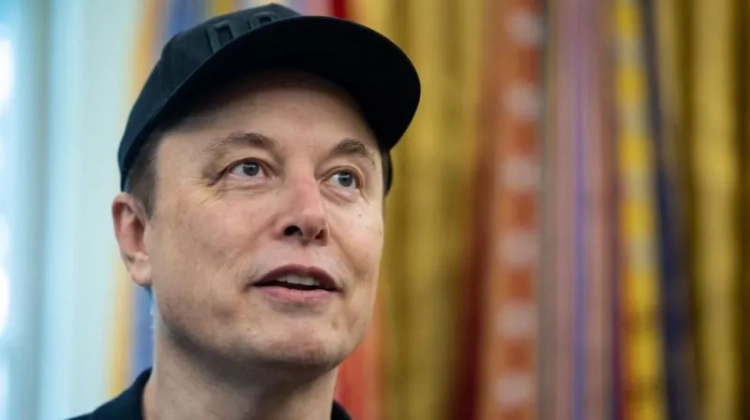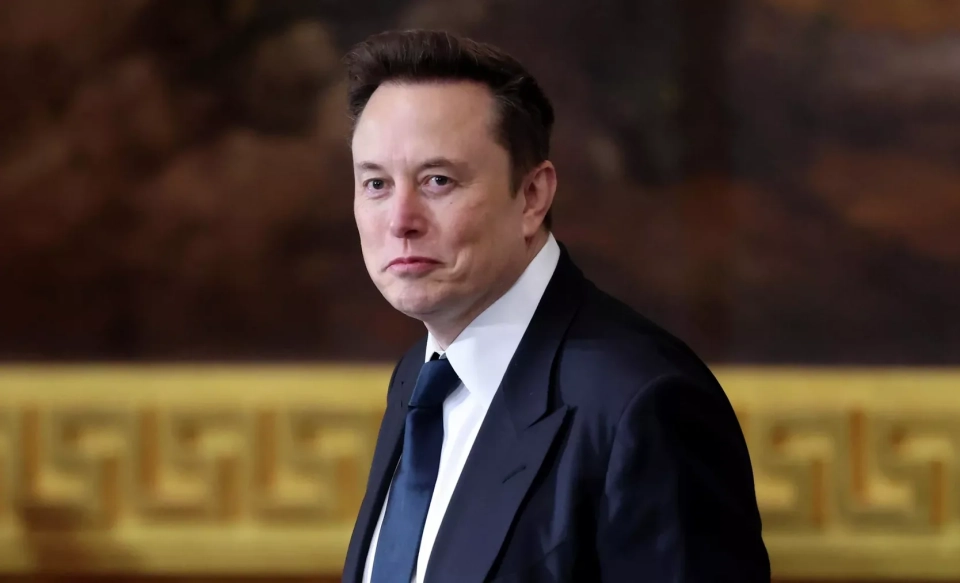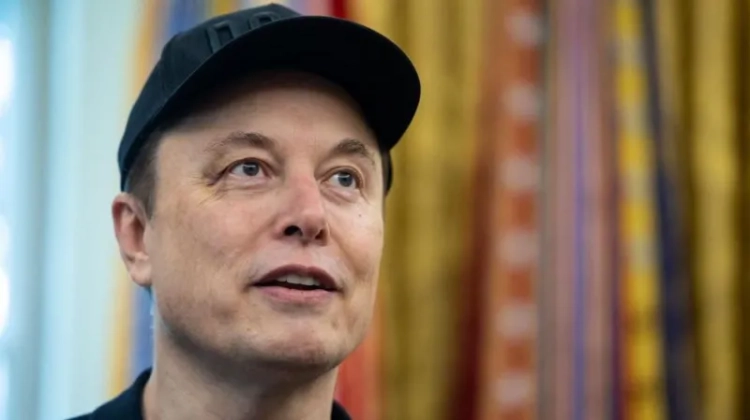
Elon Musk expressed the opinion that the only way to solve the problem of the growing national debt of the United States, which has reached $38.34 trillion, is through the development of artificial intelligence and robotics. In his view, the implementation of these technologies will significantly increase productivity, which in turn will create a surplus of goods and services, reducing dependence on human labor and potentially leading to deflation. He has previously emphasized that in the future, labor may become optional, and money may lose its value.
In a conversation with Nihil Kamat, an investor and podcaster, Musk stressed that only a significant increase in productivity can help address the country's debt issues. He noted: "This is essentially the only way that can pull the U.S. out of the budget crisis."
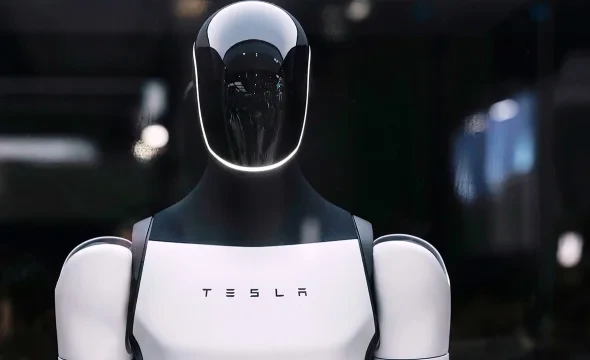
According to Musk's forecasts, in just three years, the production of goods and services could exceed the level of inflation, creating a foundation for stable economic growth. Additionally, he has previously claimed that his robot Optimus is capable of solving the problem of poverty and eliminating the need for human labor.
Musk also believes that advancements in AI and robotics will make labor unnecessary for meeting basic needs, and work will become something akin to a hobby. During a Tesla shareholders' meeting, he noted that the Optimus robot could help eradicate poverty and ensure access to quality healthcare for all. He also suggested that in the future, money may lose its significance, and the only limiting factors will remain resources such as electricity and raw materials.
Economists have long discussed the possibility of reducing the workweek due to technological progress. As early as 1930, John Maynard Keynes predicted that future generations would work only 15 hours a week thanks to rising productivity.
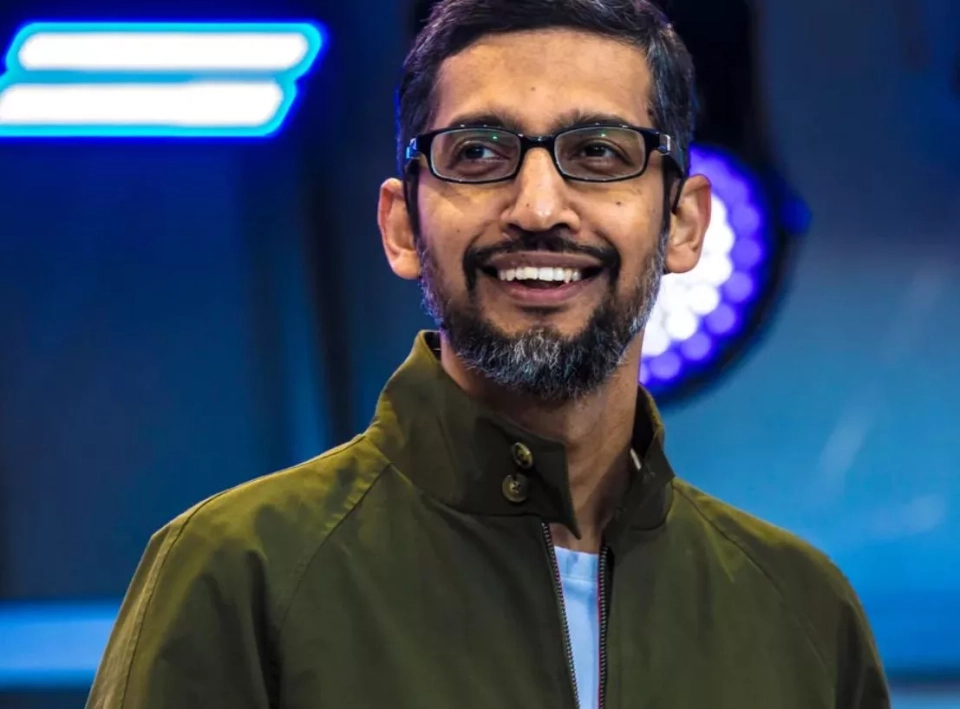
Opinions in the tech sector about the future impact of AI are divided. Google CEO Sundar Pichai noted that AI will create new opportunities and change professions, but it could also lead to social changes. Investor Vinod Khosla believes that AI could take on 80% of tasks in 80% of jobs, necessitating the introduction of universal basic income to combat growing inequality.
However, there are opposing views as well. Geoffrey Hinton, known as the "godfather of AI," expressed concerns that much of the profit from the implementation of artificial intelligence will be concentrated in the hands of a small group, leaving the rest of the population vulnerable. In his opinion, the problem lies not in the technology itself, but in the capitalist system that distributes the values created by AI.