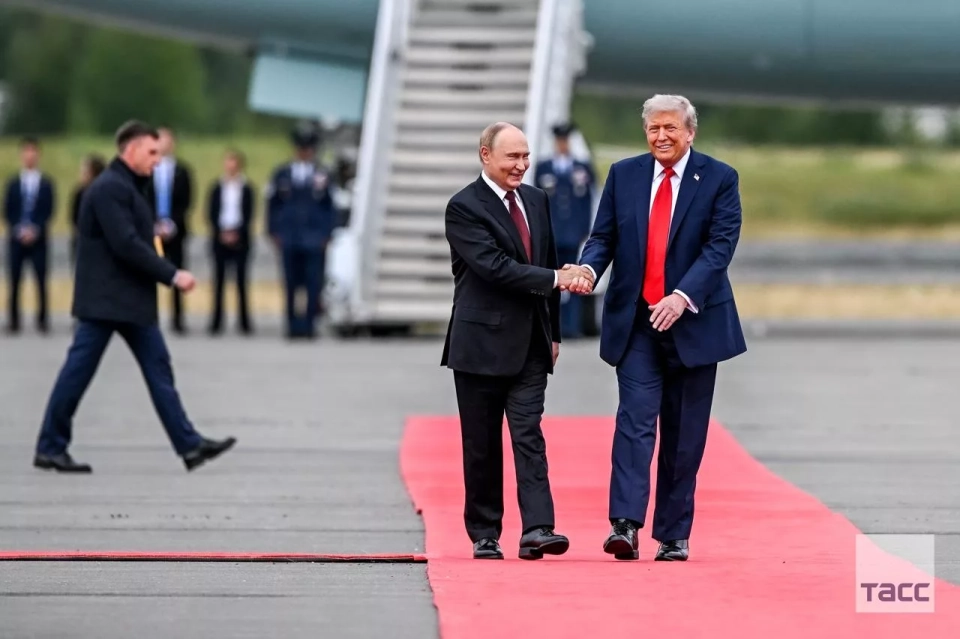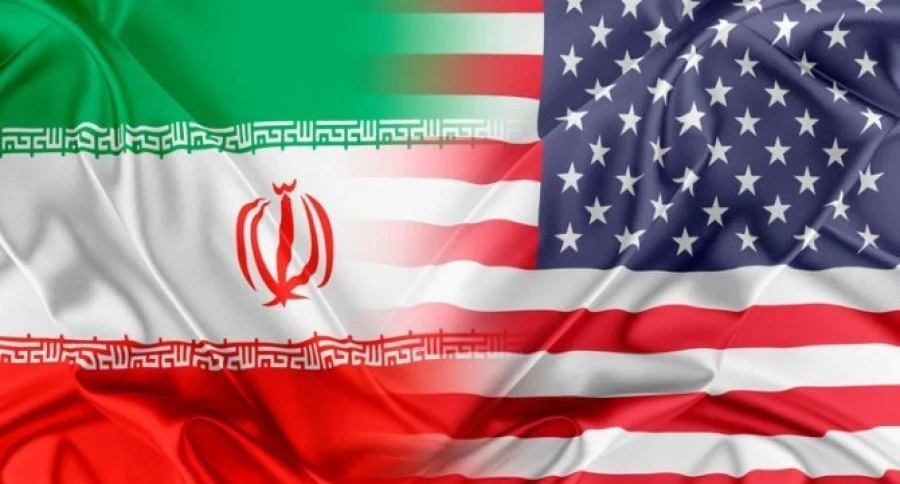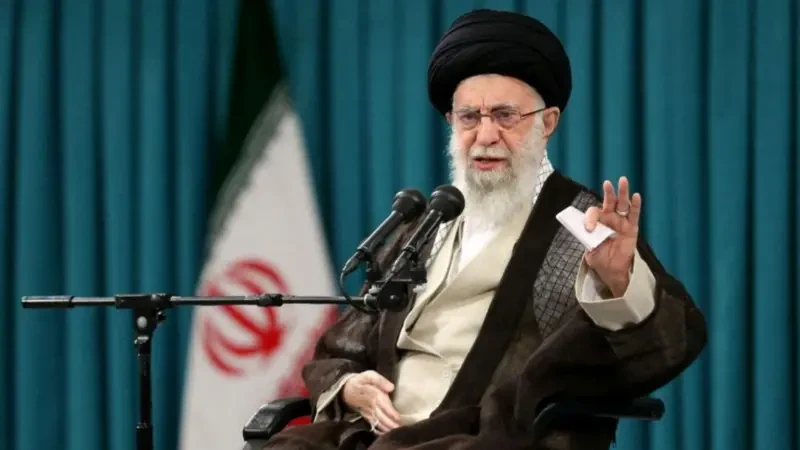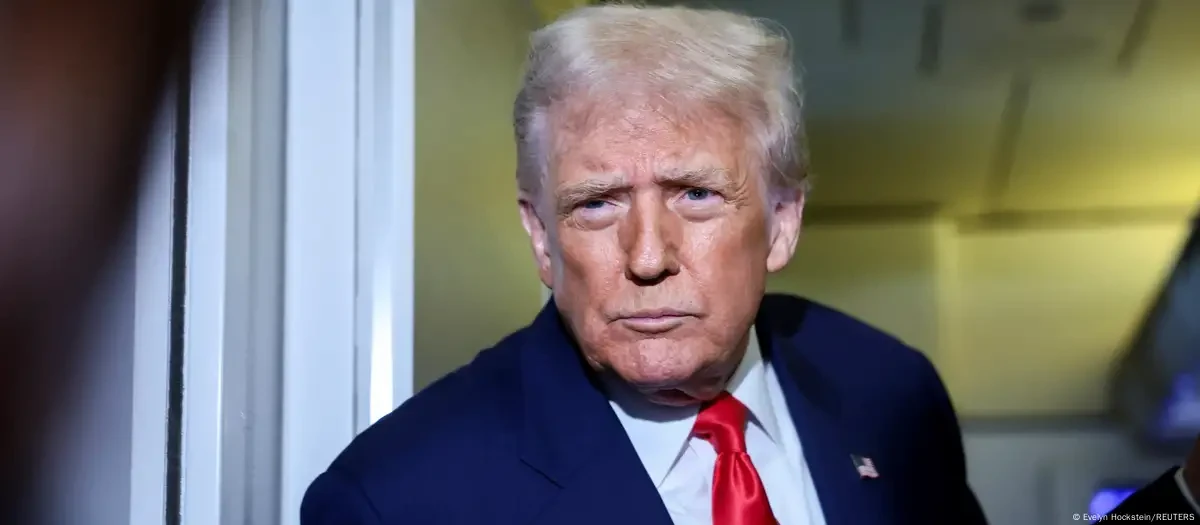
The decree states that from the moment it comes into effect, additional duties may be imposed on goods imported into the U.S. from countries that purchase or in any way receive products from Iran. Trump previously mentioned a 25% tariff in his post on the social network Truth Social on January 12.
The document also emphasizes that Iran is responsible for attempts to develop nuclear technologies, support terrorism, and destabilize the situation in the region, which poses a threat to the interests and security of the U.S. and its allies.
So far, Tehran has not provided an official comment on this step by Washington.
Iran's main export remains crude oil. Reuters reported on January 12 that about 80% of Iranian supplies are directed to China. Although there have been no direct shipments of Iranian oil in Chinese customs statistics since 2022, analysts explain this by stating that the oil is transshipped in third countries and documented as products from Malaysia or Indonesia.
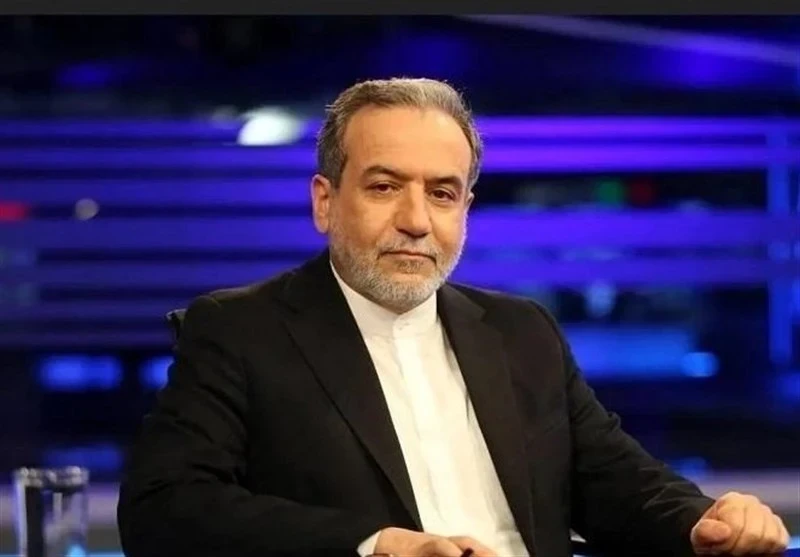
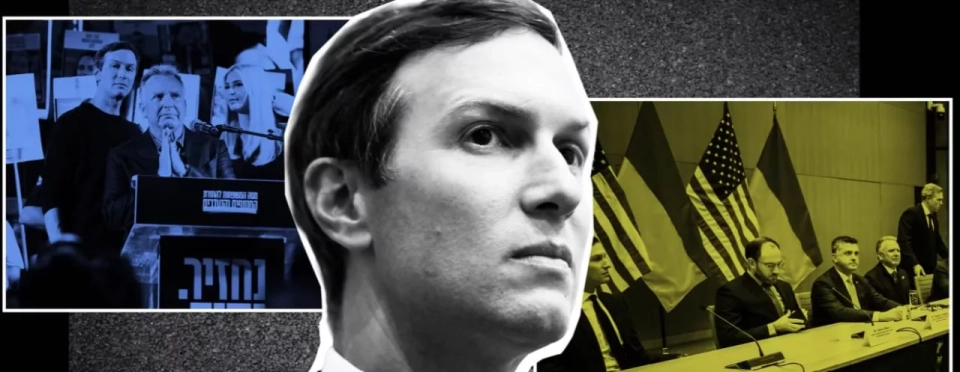
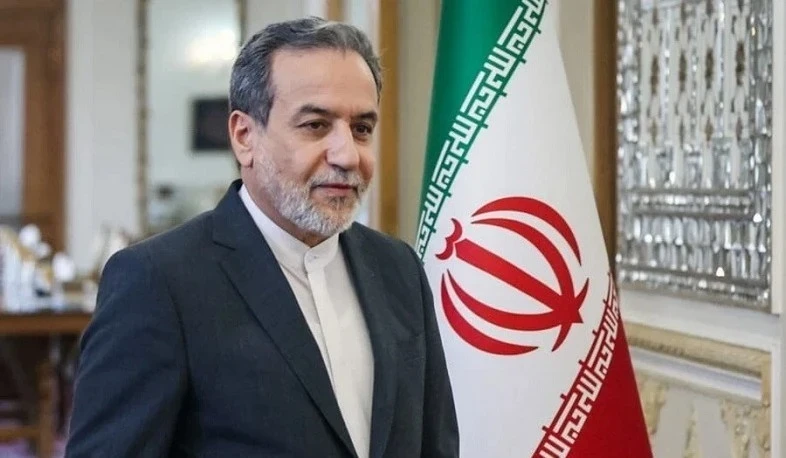
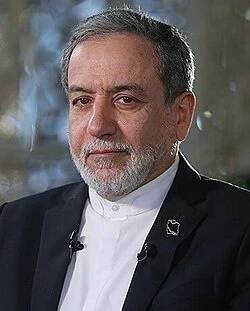
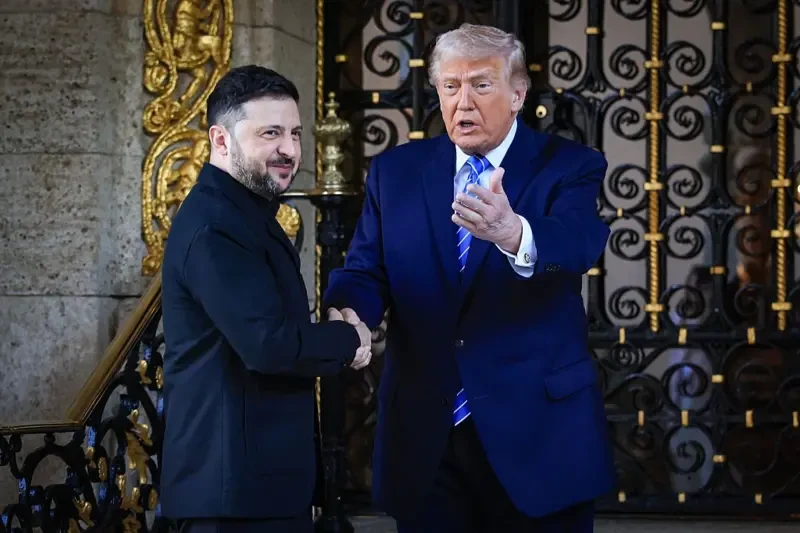
Trump did not directly comment on the decree, but in a conversation with reporters on the plane, he reiterated his position on the issue of Tehran: "No nuclear weapons." Talks also took place in Oman between Iran and the U.S. after several weeks of mutual threats. The head of the Iranian delegation, Foreign Minister Abbas Araghchi, described the meeting as "a good start," noting a "positive atmosphere." Trump remarked on the same day that the negotiations were "very good." The U.S. was represented by special envoy Steve Witkoff and the president's son-in-law Jared Kushner.
However, shortly after these negotiations, the U.S. announced new sanctions against several vessels and legal entities involved in the transportation of Iranian oil.
Washington planned to discuss not only the nuclear program with Tehran but also issues related to the missile program, support for armed groups in the Middle East, and the human rights situation in the country, as stated by Secretary of State Marco Rubio two days before the talks.
Iran, on the other hand, was only willing to discuss the nuclear program, refusing to negotiate on other issues, including missile developments. A source familiar with Iran's position told Reuters that ultimately the missile program was not discussed in Muscat. Tehran also insisted on recognition of its right to enrich uranium but was willing to compromise on the level of enrichment.
Highly enriched uranium is used to create nuclear weapons; however, Iran claims that its nuclear program has exclusively peaceful purposes.