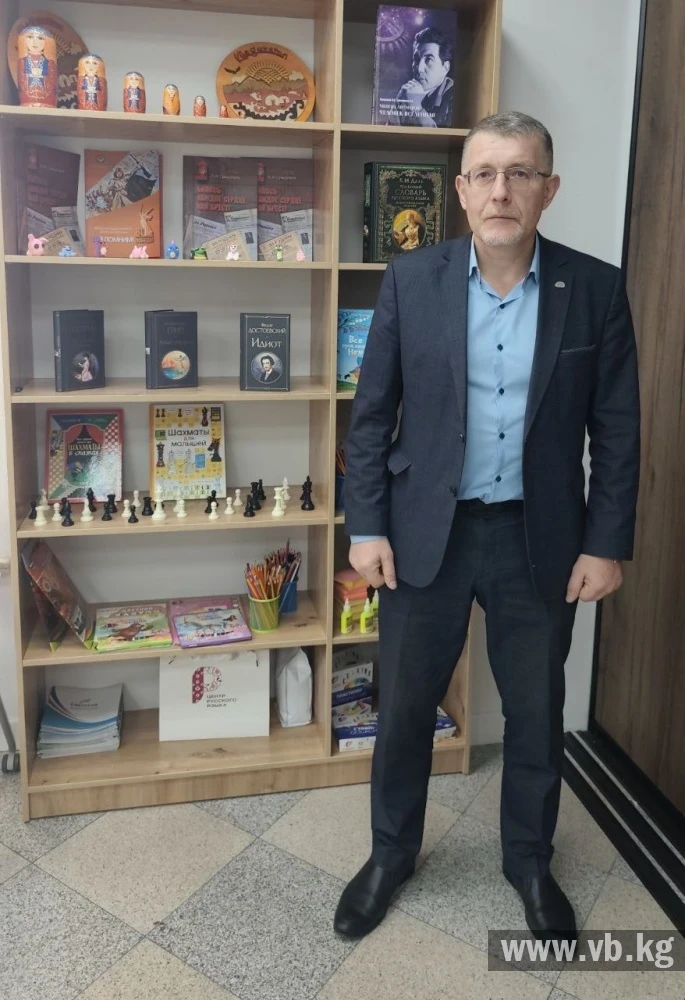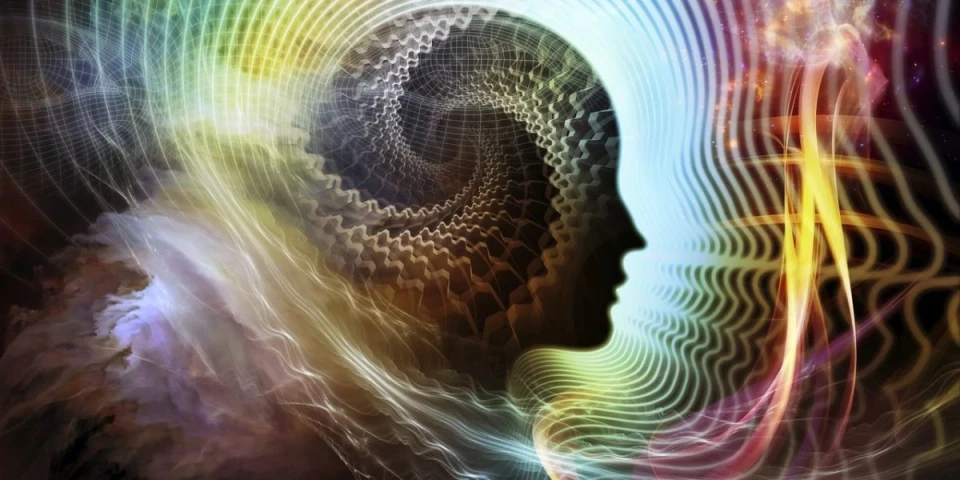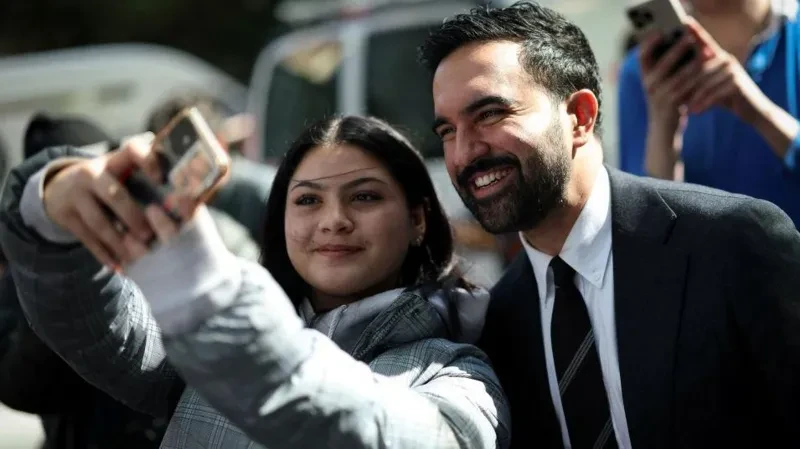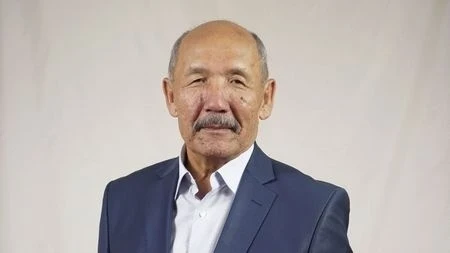
In her work published in the journal Frontiers of Psychology, Tleuberdiova bases her findings on the theory of universal biological consciousness, which asserts that this property has persisted for billions of years through cellular division from a common ancestor—the first cellular organism. Every living being, including humans, carries this ancient legacy. Thus, consciousness does not arise from nowhere but is transmitted from preceding forms of life.
The proposed concept of "absolute biological consciousness" challenges traditional views, highlighting consciousness as the beginning of the evolutionary process, as stated by Daily Neuron. The organism's internal awareness, in her opinion, is the source of its genetic and physical changes, rather than the other way around. Structure follows function.
Akbota Tleuberdiova suggests rethinking the well-known expression by Descartes, "I think, therefore I am." According to her, "think" implies not only an internal dialogue but the very fundamental ability to be conscious. Verbal thought is merely a communication tool used by consciousness, but it is not its source.
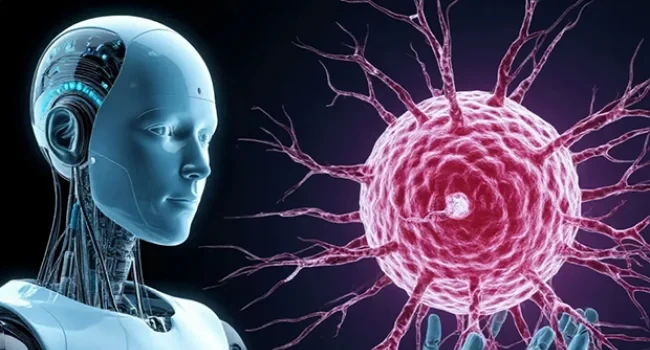
This theory has significant implications for the field of artificial intelligence. If consciousness is exclusively a property of biological life, with roots in its ancient origins, then the creation of truly conscious AI becomes extremely unlikely. Although AI systems can process data and mimic communication, they lack subjective experience—qualia.
Moreover, this concept opens new horizons in medicine. For instance, cancer can be viewed as a disruption of cellular bios consciousness—a failure in the "awareness" of the cell regarding its functions and boundaries. This could lead to the development of new therapeutic methods.
Finally, the proposed idea shifts the focus in discussions about AI ethics and safety. It allows us to view artificial intelligence as a powerful tool that lacks consciousness, which shifts attention away from concerns about a potential "machine uprising" to questions of responsible governance and ethical use of technologies that will never become alive.