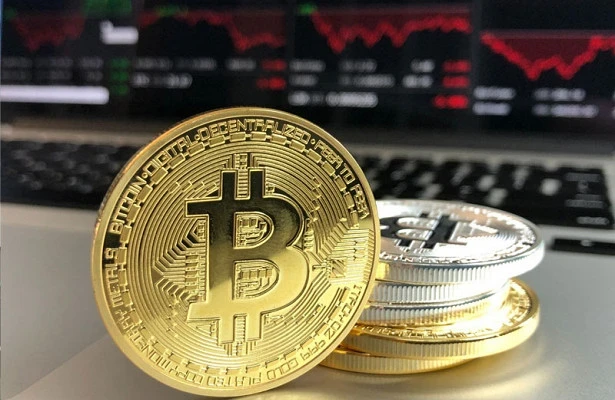
Some analysts, such as Zach Pandl from Grayscale, claim that Bitcoin has stopped correlating with gold, and its short-term fluctuations depend on the stock market, particularly technology stocks. Pandl noted that cryptocurrencies are considered high-risk assets that investors flock to during periods of hype. In market conditions where fear arises, many quickly sell off their crypto assets, and instead of "absorbing the shock" like gold does, Bitcoin often falls in price.
Over the past year, large Bitcoin holders have been net sellers, and since mid-December, more than 170,000 coins have been withdrawn from their wallets. Last week, on February 5, the price of Bitcoin fell to $60,000, which is more than 50% lower than its record of $126,000 reached in October 2025.
Moreover, Pandl points out that the decline in Bitcoin's price occurred almost simultaneously with the drop in technology stocks, which is related to investors' concerns about the potential replacement of traditional software solutions with artificial intelligence. Nevertheless, he believes that Bitcoin still has the potential to become a reliable store of value due to its limited supply of 21 million coins, which should support its value.
Pandl also noted that despite the current volatility, Bitcoin may in the future take the place of "digital gold." However, he clarifies that at this moment, its price fluctuations do not align with the behavior of gold and other precious metals. In recent months, while gold and silver have shown growth, Bitcoin has behaved differently.
The analyst is not surprised by this dynamic, as Bitcoin is still in the early stages of its development compared to gold, which has been used as money for thousands of years and was the foundation of the monetary system until the 1970s. Gold continues to be one of the main reserve assets for governments and central banks.
Bitcoin, on the other hand, has only existed for 17 years and continues to prove its viability as a global monetary asset, concluded Pandl.