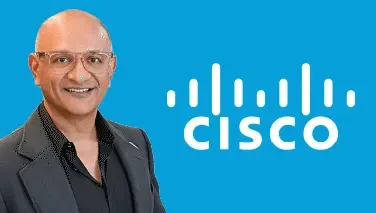
At a recent AI summit in Amsterdam, Patel noted that Cisco has already developed a product whose code was 100% generated by artificial intelligence. He predicts, "By the end of 2026, we will have at least six such products." In response to a question about the future of the programming profession, he advised not to fear competition from AI, but rather to be wary of those who can better leverage AI.
Patel emphasized that there will be no developers in the company for whom working with AI will be something unusual. According to him, the shift to specification-driven development will significantly reduce teams: from eight people to three, while adding five AI agents, which will greatly increase productivity.
AI agents are systems capable of planning, executing tasks, and solving problems with minimal human intervention. For example, they can handle travel arrangements and send emails. Nevertheless, traditional developers will still be required to review and correct the code.
Moreover, Patel questioned the traditional understanding of the concept of "human in the loop," which implies constant human involvement in the AI work process. In his opinion, the approach should shift to "AI is present in every loop," so that AI agents are perceived as digital colleagues rather than just tools.
Risks of AI agents going out of control
Despite the optimism regarding AI, the president of Cisco expresses serious concerns about the safety of this technology. "What worries me most are security issues. It is important not to view AI through rose-colored glasses and to be aware of its potential negative consequences," he noted.
Patel emphasized that AI agents performing tasks on behalf of a person must undergo reliability checks just like any other employee. Cisco is investing billions of dollars in security systems aimed at protecting both AI agents from external attacks and society from potentially dangerous AI agents.
The company aims to become the foundation of critical infrastructure in the AI era by creating a "full stack" of technologies—from silicon chips to application solutions. Patel believes that the combination of hardware and software development will lead to synergy, where all components work in perfect harmony.
Speaking about the future, Patel asserts that while productivity growth is important, the more significant aspects are the new ideas and knowledge that AI can generate. He emphasizes that these ideas can solve problems that humanity has not even dreamed of, including combating diseases and poverty, as well as improving healthcare and energy situations.