The publication of the materials sparked interest in discussing communication methods within closed circles. In particular, users were drawn to the frequent use of certain words that began to be regarded as "coded." Among them were even names of common food items.
Against the backdrop of this publication, the events of 2016 became relevant again, when the "Pizzagate" theory first emerged. At that time, forum participants noticed discussions about "cheese pizza," which were linked to the abbreviation CP (child pornography). These interpretations formed the basis for the theory of a hidden language used for the covert coordination of illegal activities.
Proponents of the "Pizzagate" theory began to compare old conclusions with new data, discovering that the word "pizza" appeared in the materials numerous times. For them, such frequency of use became evidence that "food" vocabulary could serve as an element of hidden communication.
2016: The Birth of "Pizzagate"
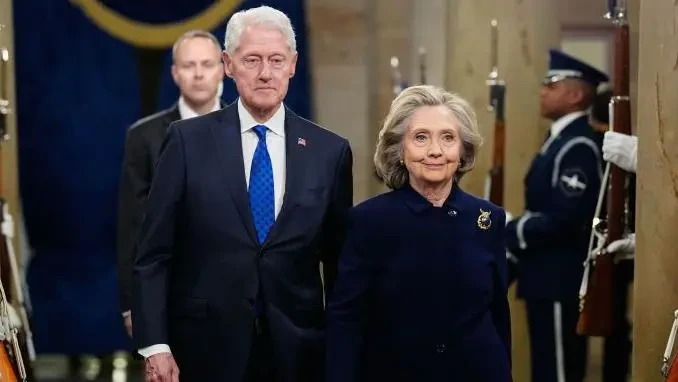
The "Pizzagate" theory began to take shape after the publication of John Podesta's emails, the head of Hillary Clinton's campaign. In the fall of 2016, WikiLeaks released thousands of his emails, compromising the election organization. The emails discussed organizational issues related to the elections.
On anonymous forums, particularly on 4chan, users began analyzing the correspondence, trying to find hidden meanings. Mentions of food—pizza, cheese, and other products—particularly caught their attention. Some began to assert that these terms could be codes for illegal activities related to child exploitation. Despite the fact that these assumptions were based on coincidences and interpretations, the theory began to spread rapidly.
The center of this story became the Comet Ping Pong pizzeria in Washington. Its owner, James Alefantis, had connections with political circles of the Democratic Party and actively supported Clinton's campaign.
After the publication of the emails, supporters of the theory began to meticulously investigate social media and photographs related to the restaurant. Some images featuring children were interpreted as evidence of a criminal network's existence.
The story was actively discussed on various platforms—from Reddit to YouTube. Users created videos, published their own investigations, and constructed graphs of alleged connections between politicians and celebrities.
The climax came in December 2016 when 28-year-old Edgar Welch from North Carolina entered the restaurant armed, believing that children were being held there. He opened fire, but fortunately, no one was injured. This incident became one of the most striking cases where a conspiracy theory led to a violent act. No evidence of criminal activity was found during the investigation.
Over time, "Pizzagate" transcended being a standalone theory and became part of broader conspiracy movements, such as QAnon, which claims the existence of a secret struggle between global elites and other shadowy structures. QAnon effectively inherited the ideas of "Pizzagate," including the concept of hidden networks of influence and the use of coded messages.
2026: The Release of Epstein's Files
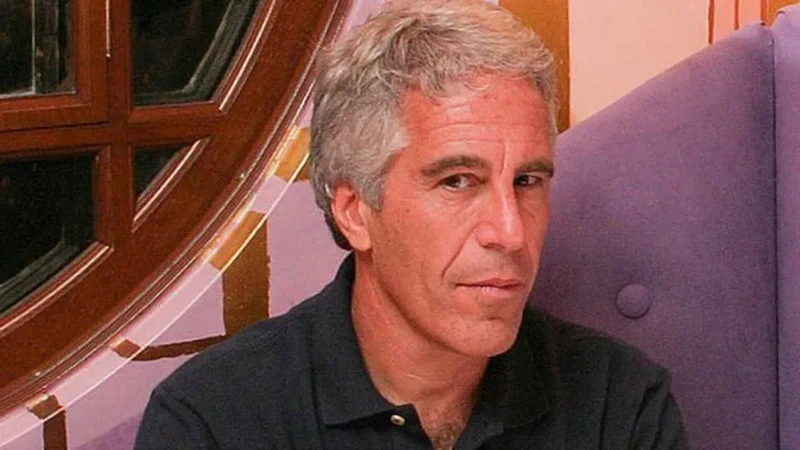
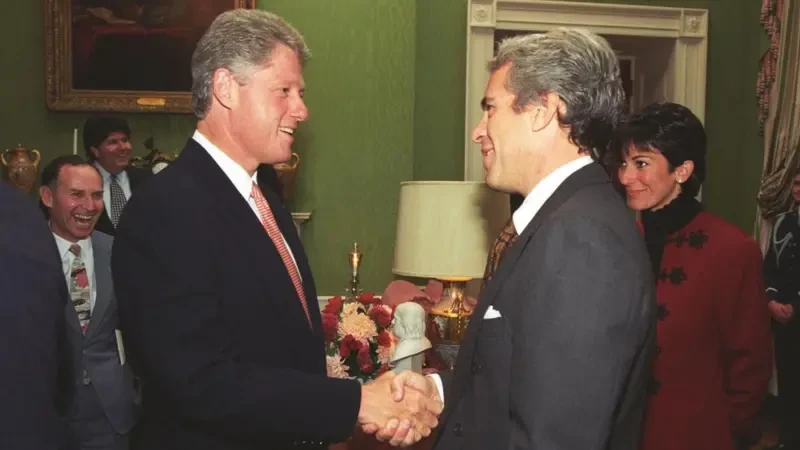
In early 2026, the U.S. Department of Justice released an extensive archive containing over three million pages of documents that shed light on the scale of Epstein's network. The content of these materials had the effect of a bombshell: they mention hundreds of names of high-profile individuals, including well-known politicians, businessmen, and celebrities. Among them are Bill Clinton, Donald Trump, Bill Gates, Elon Musk, and Prince Andrew. While this does not mean that all mentioned individuals were involved in criminal activity, the extensive range of figures from various spheres supports the hypothesis that Epstein's network could have a systemic nature and be linked to representatives of the global elite.
With this publication, the topic of encrypted communication became relevant again. Social media users began analyzing the released materials, noting statistical anomalies: for example, the word "pizza" appears over 900 times. The documents also frequently mention "hot dog," "ice cream," and "cheese," with some instances of their usage appearing inappropriate for a regular conversation about food.
In the interpretations of "Epstein's codes," familiar terms like "chicken soup" or "cream cheese" began to be perceived as designations for child exploitation, while "organic carrot" was seen as a search for victims of a certain appearance. Even phrases like "walnut" or "sauce" are considered potential signals.
Although official sources insist on a literal understanding of the correspondence—discussions about the menu and food for guests—these phrases have had a completely different effect online.
Emails regarding the supply of "dried meat" and a question about what to do with "frozen white tuna" attracted particular attention. Many interpret these terms as elements of a classification system for victims by gender and age. For example, "dried meat" became associated with human flesh, while "frozen white tuna" was linked to the bodies of white women.
Additional interest was sparked by the name of chef Francis Derby, who coordinated these supplies. He worked at a restaurant with the ominous name "Cannibal." While some claim that the name is coincidental and related to a sports figure's nickname.
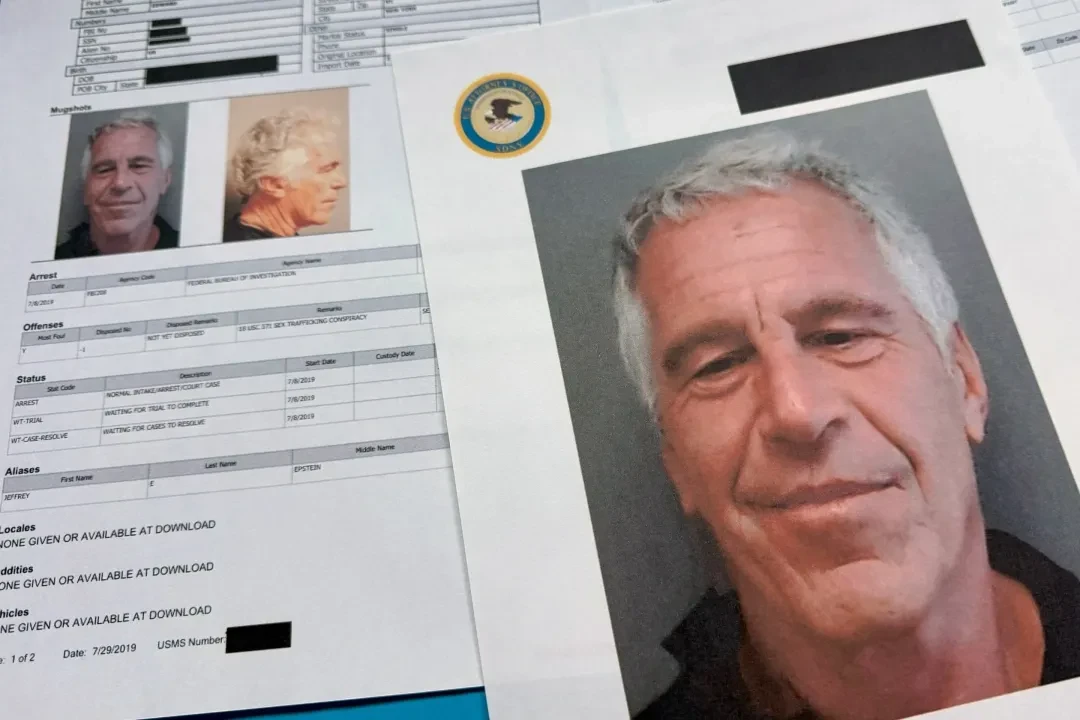
Epstein's Case Shook Western Elites
Despite the fact that the official investigation does not confirm the presence of hidden meanings, such formulations in the correspondence give rise to eerie suspicions. The boundary between reality and conspiracy theory becomes blurred.
This part of the documents became the "tip of the iceberg" for those who believe that behind the facade of elite consumption, there may be a ritual. Such interpretations fuel theories about a "global satanic cult" and "billionaire cannibals" who have normalized horrific practices for years. In the context of Epstein's proven crimes, discussions about how to "dispose" of "frozen fish" are perceived as instructions for evidence disposal.
Additionally, it became known that Epstein was procuring gallons of acid on an industrial scale. The documents record regular deliveries of sulfuric acid to his private properties, raising alarms since such substances are used to destroy biological traces.
Conspiracy and Reality
The 2026 documents confirm that as early as 2011, Epstein was seeking contacts with architects of the modern internet, including 4chan founder Christopher Poole. This spawned hypotheses about the possible creation of "managed chaos": perhaps the mechanisms of "Pizzagate" were artificially initiated, mixing real crimes with absurd rumors about pizzeria basements to discredit serious investigations at the right moment. When the truth turns into a crazy theory, society stops believing even in obvious facts.
At the same time, Epstein's accomplice, Ghislaine Maxwell, according to FBI reports, may have overseen interactions with influential participants in online communities and moderators of major platforms. The investigation considered the version that Epstein's network was monitoring the digital space, and "Pizzagate" could serve as a cover.
Thus, around individual fragments of correspondence, including discussions about food, there are many theories and speculations. Nevertheless, behind them lies documented reality: thousands of pages of investigative materials confirm systemic violence and the existence of a network of influential figures that allowed these crimes to go unnoticed.