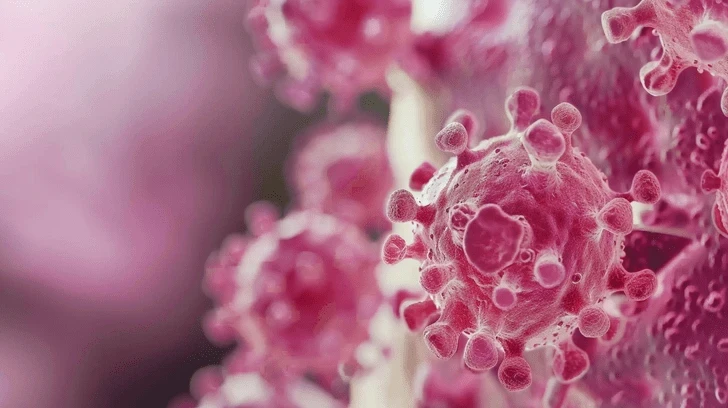
Fusarium wilt, also known as Panama disease, is a dangerous soil disease that threatens the cultivation of Cavendish bananas worldwide due to its virulent strains. Dr. Andrew Chen, a co-author of the study and a geneticist, noted: “Identifying and utilizing the natural resistance of wild bananas will be a long-term solution to combat the pathogen that causes wilting and plant death, leaving spores in the soil to infect future crops.”
Scientists from the University of Queensland in Australia have made an important step towards protecting global banana stocks by identifying a region in the plant's genome responsible for resistance to the strain of fusarium wilt known as subtropical race 4 (STR4), which affects bananas in subtropical regions. This discovery, described in the journal Horticulture Research, could lead to the development of new banana varieties that are more resistant to diseases.
The team worked on the project for five years, crossing the wild banana variety Calcutta 4 with other susceptible subtypes. When testing the hybrids for resistance to STR4, they compared their DNA with that of bananas that died from the infection and those that remained unharmed. It was found that Calcutta 4 exhibits resistance to STR4 on chromosome 5.
Each generation of hybrids had to grow for at least 12 months before analysis, making this process complex and lengthy. Although Calcutta 4 has important genetic resistance, it is not suitable for commercial production as its fruits are inedible.
“The next step is to create molecular markers for more effective tracking of resistance traits, which will allow breeders to conduct early screening of seedlings before disease symptoms appear,” Chen added. “This will simplify selection, reduce costs, and hopefully lead to the creation of an edible banana that is easy to grow and naturally protected from fusarium wilt due to its genetics.”
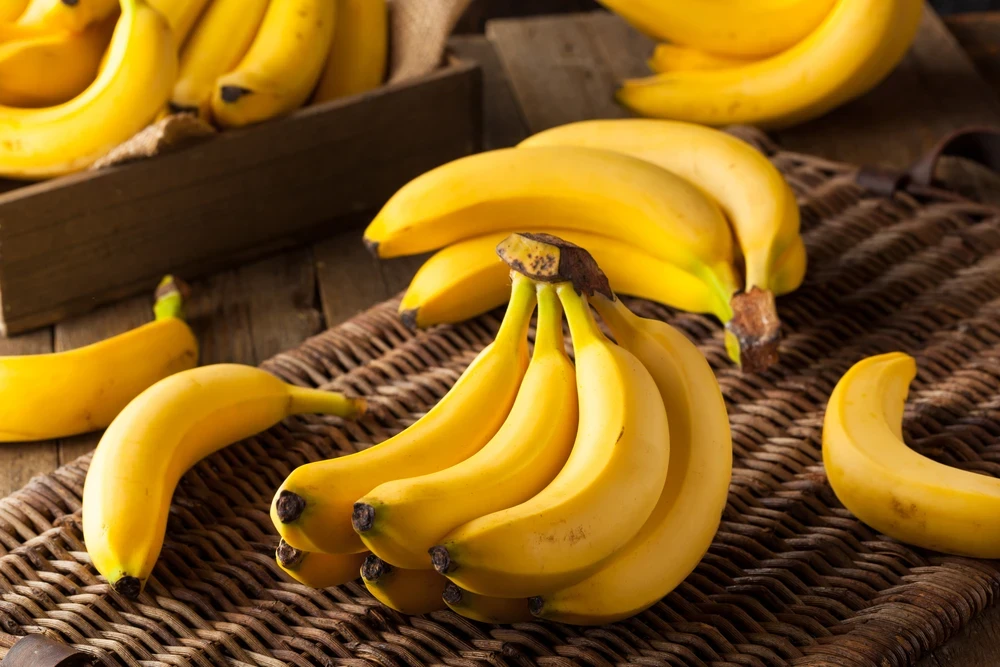
The global banana industry, valued at $140 billion, is actively working to protect this important food source. Bananas also rank fourth among the most significant food crops in the world, after wheat, rice, and corn. About 80% of bananas are used for local consumption, and over 400 million people derive 15 to 27 percent of their daily calories from this fruit.
Mohammad Abu-Ghazaleh, Chairman and CEO of Fresh Del Monte Produce, noted: “It’s easy to take bananas for granted, but behind their simplicity lies one of the most coordinated and mutually beneficial supply chains in agriculture. Protecting bananas is our shared responsibility, and if we do not act together to support producers and strengthen this supply chain, we risk losing not only the fruit but also the livelihoods associated with it. This reality deeply concerns me and demands our attention.”