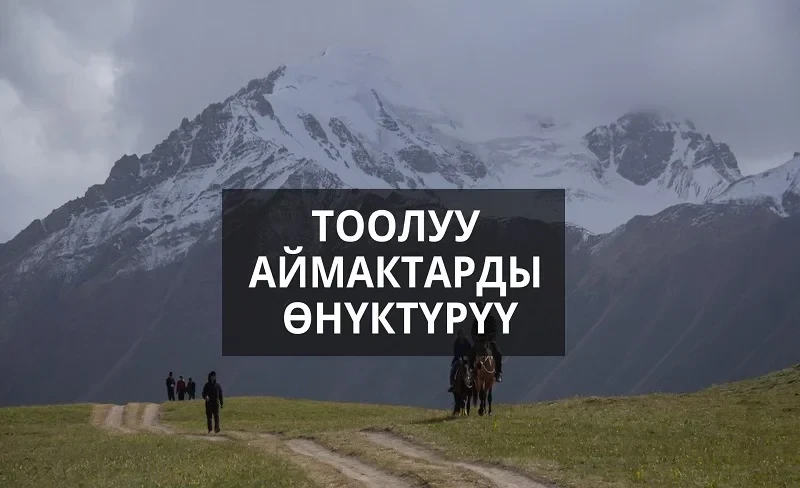
— We realize that promoting mountain diplomacy on the international stage, regardless of the location — New York or Baku — should lead to real changes for people living in Naryn, Chatkal, or Alai. That is why our work within the framework of the Five-Year Plan is aimed at transforming mountain regions into spaces of broad opportunities.
As part of the roadmap, projects are planned for the construction of new hydropower plants in mountainous areas, improving healthcare, developing digital services, modernizing transport infrastructure, and providing electricity and clean water. In practical terms, the development of small hydropower and renewable energy sources is being intensified. To date, 8 small hydropower plants have been built in the region to improve the quality of energy supply to remote areas.
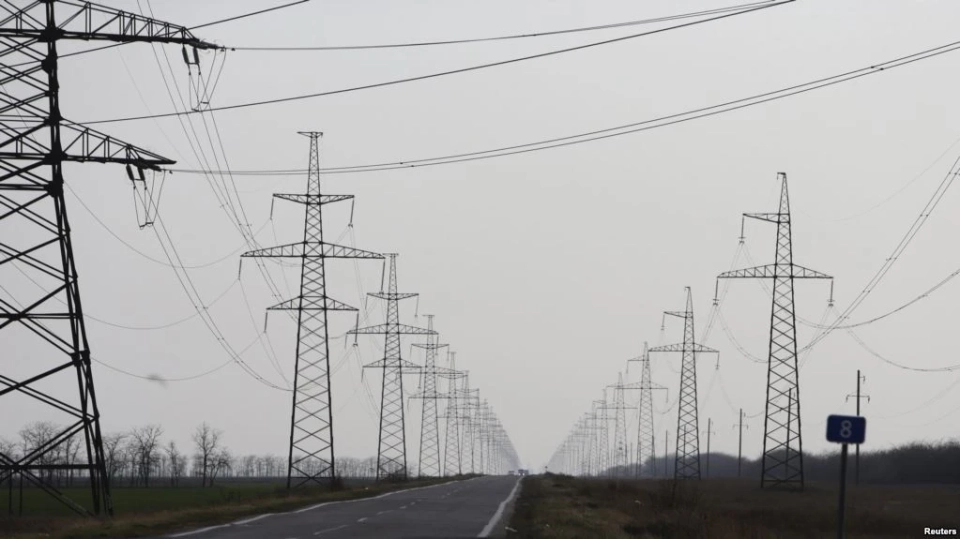
In addition, access to digital infrastructure is being expanded. According to the National Institute of Strategic Initiatives, there are 1196 settlements in the country located at an altitude of 1000 meters and above. Of these, 1179 have access to 2G/4G, and 2 settlements have access to 2G. In 15 settlements, there are no power lines, which creates difficulties in accessing telecommunications services. Work to address these issues continues and is monitored by the cabinet of ministers.
Roads are being modernized and transport infrastructure is being developed, while the digital platform "Tündük" facilitates improved access to government services. Work is also underway to provide mountain residents with clean drinking water.
To increase the income of residents in mountainous areas, the roadmap includes measures to develop tourism and the green economy. Branding of products produced in the mountains is also being initiated. Our goal is to create mechanisms for the certification and branding of goods produced in mountain regions so that our farmers can sell products such as honey, meat, medicinal herbs, and other eco-friendly goods in international markets.
At the same time, programs to support farmers and sustainable management of natural resources are being implemented. In particular, with the assistance of the Asia-Pacific Forestry Organization (APFO), a project is being carried out to plant seedlings on low-productive lands aimed at decarbonization and ecosystem restoration.
— What are the results of cooperation with international organizations and financial institutions within the framework of the Global Mountain Agenda? Have investments been attracted for the development of mountain regions and the protection of mountain ecosystems?
— Cooperation with international organizations and financial institutions is today a key factor in promoting the Global Mountain Agenda and implementing specific projects in mountain regions. We actively engage with the World Bank, OSCE, ADB, GEF, FAO, APFO, UNICEF, and UNDP for the sustainable development of mountains, support for local communities and farmers, protection of mountain ecosystems, and the implementation of nature-based solutions.
Let me give a few examples. In cooperation with the World Bank, a regional project called Resilient Landscapes (Resiland) is being implemented, focusing on scientific research, strengthening cooperation, and enhancing the resilience of mountain landscapes to climate change.
As part of this project, the promotion of mountain products from Central Asia to international markets is also being carried out. We strive for residents of mountain communities to have additional sources of income, and for Kyrgyzstan to gain recognition for its organic products.
The next project, planned for 10 years, is the "From Glaciers to Farms" program, implemented jointly with ADB and the Green Climate Fund. It aims to enhance the resilience of farmers and vulnerable groups in mountain regions to climate change in Central Asia, the Caucasus, and Pakistan. This initiative highlights the connection between glacier melting, climate change, food security, and the resilience of rural communities, with a total funding volume of about $3.5 billion.
In addition, a joint project of the government of Italy and FAO — a business incubator and accelerator for mountain and Aral Sea regions — will soon begin implementation, which will include providing grants and technical assistance to entrepreneurs from mountain communities.
Thus, international cooperation brings practical results, both in the form of specific projects and in creating sustainable financing mechanisms for the development of mountain regions.
— Thank you for the interview!
The "Kabar" Agency will continue to monitor events related to the preparation for the Global Mountain Summit "Bishkek+25," scheduled for 2027.