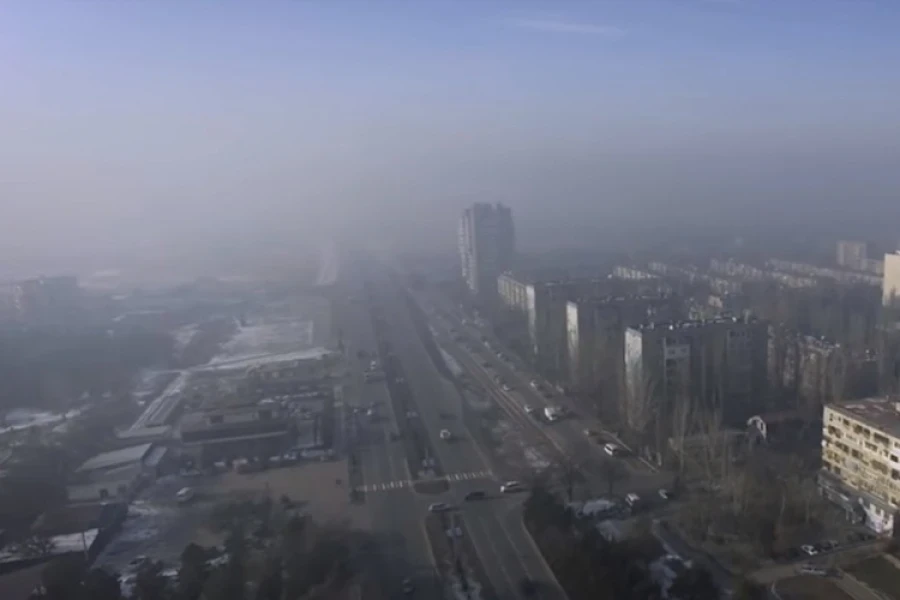
At the Bishkek Center for Health Promotion, they discussed the impact of smog on human health and offered advice on how to minimize it.
Smog represents a high degree of atmospheric pollution with harmful substances that enter the air due to the operation of industrial enterprises, automotive transport, and stoves using solid fuel, especially under adverse weather conditions.
Main sources of smog:
- exhaust gases from vehicles,
- operation of power plants and factories,
- coal burning,
- smoking,
- harmful vapors from various products, such as chemical solvents, paints, and even hair styling products.
- Smog can lead to respiratory diseases such as bronchitis, asthma, and pneumonia.
- It also causes inflammatory processes in the mucous membranes of the eyes, nose, and larynx, which reduces the body's immune defenses.
- Additionally, smog is associated with cardiovascular diseases. During smog events, there is an increase in hospitalizations and cases of relapses of respiratory and cardiovascular diseases.
- The most vulnerable are children, the elderly, as well as people with cardiovascular diseases (such as hypertension, angina) and respiratory disorders (asthma, bronchitis, emphysema).
- Smog can provoke shortness of breath, breathing difficulties, insomnia, headaches, and coughing.
- Reduce time spent outdoors.
- Use masks that protect against polluted air (e.g., N95, KN95, FFP2).
- Close windows and doors tightly, avoid ventilation.
- Increase fluid intake to 2-3 liters per day.
- If possible, use air conditioning and air purification systems.
- Regularly conduct wet cleaning indoors.
- Rinse your nose and gargle.
- Increase the intake of vitamins and fermented dairy products in your diet.
- Avoid being outdoors during peak hours, especially for children, pregnant women, and the elderly.
- Switching to natural gas or electricity instead of solid fuel for heating will help reduce harmful emissions into the atmosphere.