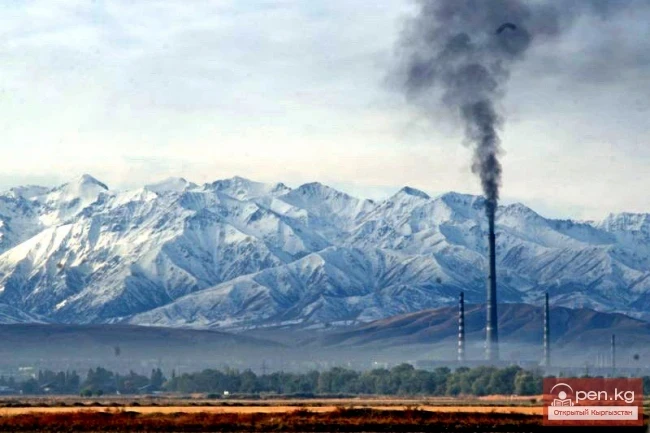
Among the atmospheric emissions in Kyrgyzstan, sulfur dioxide, as well as nitrogen and carbon oxides, occupy a significant place. These substances affect not only the lungs but also the reproductive system. Nitrogen oxides can reduce fertility and worsen respiratory function, especially in pregnant women and children, while carbon monoxide decreases the level of oxygen in the blood, increasing the risk of hypoxia in the fetus.
Dr. Bozgorpoyeva from the "Family Planning Alliance" emphasizes: "Every year, the number of women facing complications during pregnancy, such as premature birth, hypertension, and gestational diabetes, is only increasing. This is likely related to environmental issues and climate change."
To break the vicious cycle of "waste - diseases - new waste," it is essential that the issues of air pollution and their impact on the health of women and children cease to be "invisible." This requires not only the installation of filters on emissions and new regulations for landfills but also transparent accounting of medical waste, open data on air quality, and targeted measures to protect pregnant women and children—from urban planning to preventive programs in women's clinics.
Author of the material: Associate Professor of the Department of Mass Communications at AUCA, Zhyldyz Kuvatova.