Measures for the Protection and Regulation of Air Pollution
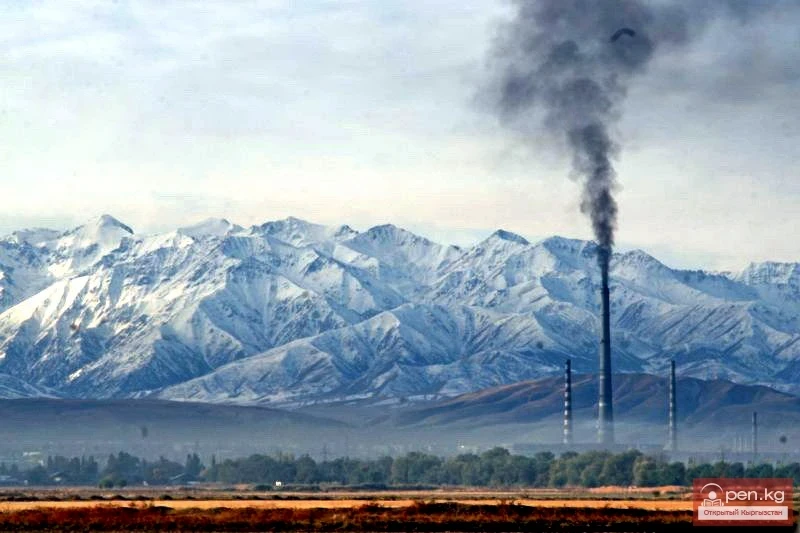
To regulate emissions of harmful substances into the atmosphere, individual norms are used for each substance at the enterprise. The maximum allowable emissions (MAE), which take into account the number of sources, their height, the distribution of emissions over time and space, and other factors, are provided by GOST 172302-78.
MAE is the maximum concentration of a pollutant in the atmosphere, related to a specific averaging time, which, with periodic exposure or throughout a person's life, does not have harmful effects on them, including remote effects, as well as on the environment. This value is justified by clinical and sanitary-clinical studies and has a legislative character.
MAV - the maximum amount of harmful substance allowed to be emitted from a given source, which does not create a ground-level concentration dangerous to humans, animals, and plants. The MAV value must be determined for each pollution source in such a way that the harmful cumulative emissions from all pollution sources in the area do not exceed the MAE standards. The introduction of these standards is of great importance, as it will allow for more targeted efforts to reduce harmful emissions into the atmosphere and increase the responsibility of enterprises for maintaining air quality.
Currently, a system of environmental standards is being created to improve the protection of the air basin. Its timely scientifically justified development is a necessary condition for the practical implementation of the laws adopted, as these standards should guide polluters in their environmental protection activities. Non-compliance with the standards entails legal responsibility.
Standardization is understood as the establishment of a unified and mandatory system of norms and requirements for all objects at this management level. Standards can be state (GOSTs), industry-specific (OSTs), and factory-specific.
In accordance with the current laws and regulations for the protection of atmospheric air in the Chui Valley, a number of basic geoecological requirements are put forward. The first of these is to ensure that measures for capturing, utilizing, and neutralizing harmful substances and waste that pollute the atmosphere, and through it, water and soil, are included in the development and approval of pre-project documentation. This can be achieved by implementing low-waste technologies and strictly adhering to established norms and rules regulating atmospheric pollution.
The second equally important ecological requirement for the developed projects is the correct choice of construction sites for various facilities, taking into account the relief and landscape features of the territory, which do not negatively affect the state of atmospheric air.
Landscape-territorial requirements for district planning schemes and master plans for industrial hubs must be strictly adhered to. A comprehensive description of the physical-geographical and meteorological conditions of the existing anthropogenically altered landscape is a mandatory part of their project documentation. Finally, the tasks for protecting atmospheric air are clearly defined in the law of the republic "On the Protection of Atmospheric Air," adopted in May 1999. It states that a comprehensive set of measures to protect air purity is necessary in all spheres of public life in the republic, including placement, design, construction, and commissioning of wastewater treatment facilities; when implementing discoveries and inventions, developing mineral resources, and other projects that affect the state of atmospheric air. It also defines the requirements for regulating maximum allowable concentrations of pollutants and the role of state and public organizations in monitoring the quality of atmospheric air.
A serious problem remains the neutralization of pollutants from road transport. Currently, intensive developments are underway everywhere aimed at reducing, and ultimately completely eliminating, air pollution from vehicles. A private solution to this problem includes the installation of filters, clear traffic organization, and other measures.
In the coming years, the main directions for air protection in the Chui Valley and Bishkek should be the purification of emissions combined with subsequent utilization. When utilizing captured ingredients, two types of effects arise: ecological and economic. The ecological effect consists of reducing environmental pollution when using waste compared to using primary material resources. The economic effect of utilizing captured ingredients is related to the emergence of an additional raw material source in the national economy, which typically has more favorable economic indicators compared to the corresponding indicators of production from natural raw materials.
Improving fuel quality is another effective way to reduce air pollution levels. Gasification of industry and households plays a significant role in ensuring the purity of the air basin in Bishkek.
The fundamental basis for solving the problems of atmospheric pollution and the entire environment is new principles for locating production facilities and waste-free technology. The idea of waste-free technology is appealing due to its similarity to the processes occurring in the biosphere, where waste simply does not exist, as all biological emissions are fully utilized by various links in the ecosystem.
Read also:
Tourist Area Management Program
The project "USAID Business Development Initiative" (BGI), within the tourism...
Types of Higher Plants Listed in the "Red Book" of Kyrgyzstan (1985)
Species of higher plants removed from the "Red Book" of Kyrgyzstan (1985) Species of...
Types of Insects Listed in the 2004 IUCN RLTS Not Included in the Red Book of Kyrgyzstan
Insect species listed in the 2004 IUCN RLTS, not included in the Red Book of Kyrgyzstan 1....
Types of Insects Excluded from the Red Book of Kyrgyzstan
Insect species excluded from the Red Data Book of Kyrgyzstan Insect species excluded from the Red...
Prose Writer, Critic Dairbek Kazakbaev
Prose writer and critic D. Kazakbaev was born on June 20, 1940, in the village of Dzhan-Talap,...
The Poet Baidilda Sarnogoev
Poet B. Sarnogoev was born on January 14, 1932, in the village of Budenovka, Talas District, Talas...
An Exhibition of Paintings is Taking Place at the Alykul Osmonov National Library
Exhibition of Paintings "The Influence of Bad Habits" An exhibition of paintings titled...
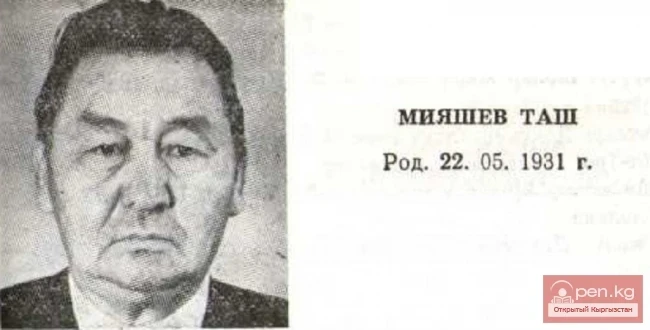
Poet, Prose Writer Tash Miyashev
Poet and prose writer T. Miyashev was born in the village of Papai in the Karasuu district of the...
Prose Writer, Journalist Djapar Saatov
Prose writer, journalist Dzh. Saatov was born on February 15, 1930, in the village of Alchaluu,...
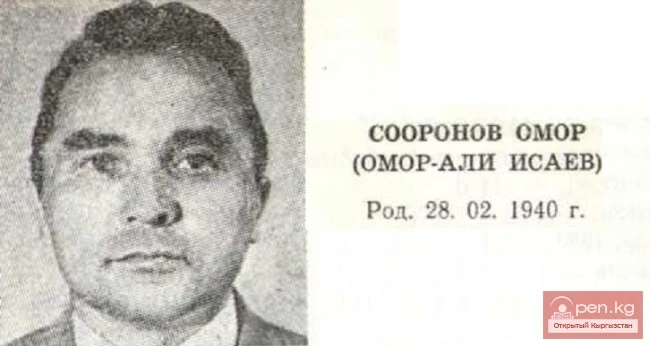
Poet, Critic, Literary Scholar Omor Sooronov
Poet, critic, literary scholar O. Sooronov was born in the village of Gologon in the Bazar-Kurgan...
Poet, Prose Writer Medetbek Seitaliev
Poet and prose writer M. Seitaliev was born in the village of Uch-Emchek in the Talas district of...
The title translates to "Poet Soviet Urmambetov."
Poet S. Urmambetov was born on March 12, 1934, in the village of Toru-Aigyr, Issyk-Kul District,...
The Poet Sooronbay Jusuyev
Poet S. Dzhusuev was born in the wintering place Kyzyl-Dzhar in the current Soviet district of the...
Prose Writer Duyshen Sulaymanov
Prose writer D. Su laymanov was born in the village of Jilaymash in the Sokuluk district of the...
The Poet Kubanych Akaev
Poet K. Akaev was born on November 7, 1919—May 19, 1982, in the village of Kyzyl-Suu, Kemin...
Poet, Prose Writer Isabek Isakov
Poet and prose writer I. Isakov was born on September 1, 1933, in the village of Kochkorka,...
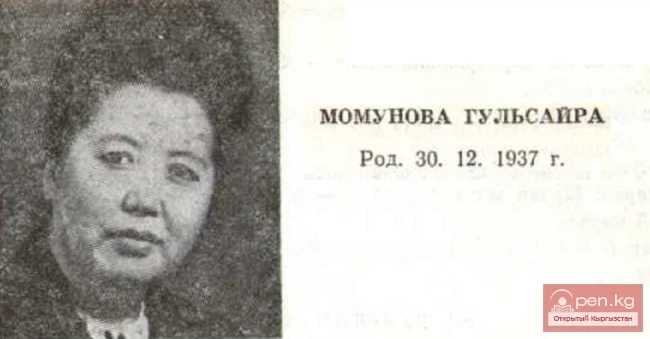
The Poet Gulsaira Momunova
Poet G. Momunova was born in the village of Ken-Aral in the Leninpol district of the Talas region...
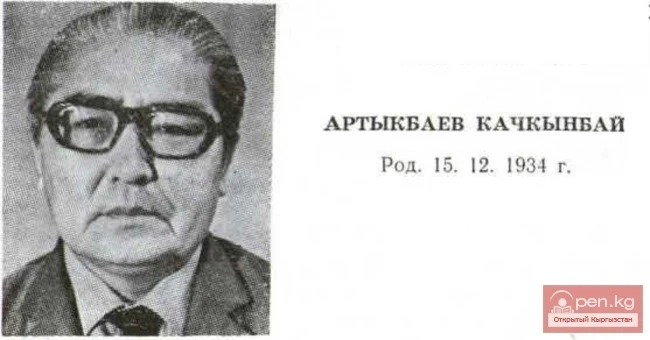
Critic, Literary Scholar, Poet Kachkynbai Artykbaev
Critic, literary scholar, poet K. Artykbaev was born in the village of Keper-Aryk in the Moscow...
Prose Writer Kachkynbay (KYRGYZBAI) Osmonaliev
Prose writer K. Osmonaliev was born on March 5, 1929, in the village of Chayek, Jumgal district,...
Poet Karymshak Tashbaev
Poet K. Tashbaev was born in the village of Shyrkyratma in the Soviet district of the Osh region...
The Poet Tenti Adysheva
Poet T. Adysheva was born in 1920 and passed away on April 19, 1984, in the village of...
The Poet Subayilda Abdykadyrov
Poet S. Abdykadyrova was born in the village of Sary-Bulak in the Kalinin district of the Kirghiz...
The Poet Smar Shimeev
Poet S. Shimeev was born on November 15, 1921—September 3, 1976, in the village of Almaluu, Kemin...
Poet, storyteller-manaschi Urkash Mambetaliev
Poet, storyteller-manaschi U. Mambetaliev was born on March 8, 1934, in the village of Taldy-Suu,...
Poet Abdilda Belekov
Poet A. Belekov was born on February 1, 1928, in the village of Korumdu, Issyk-Kul District,...
Kasymbekov Beishabay
Kasybekov Beyshabay (1933), Doctor of Veterinary Sciences (1991), Professor (1998) Kyrgyz. Born in...
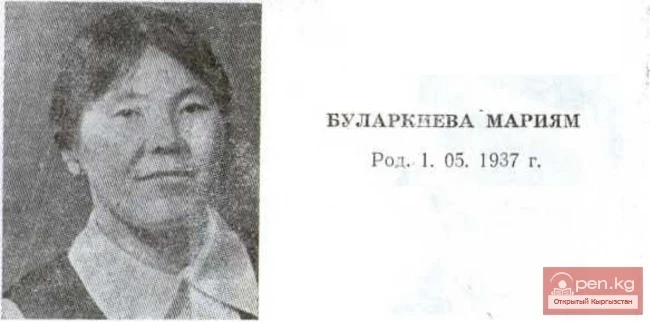
Poet Mariyam Bularkieva
Poet M. Bularkieva was born in the village of Kozuchak in the Talas district of the Talas region...
The Poet Alymkan Degenbaeva
Poet A. Degenbaeva was born on May 12, 1941, in the village of Belovodskoye, Moscow District,...
The Poet Akbar Toktakunov
Poet A. Toktakunov was born in the village of Chym-Korgon in the Kemin district of the Kyrgyz SSR...
Poet, Playwright J. Sadykov
Poet and playwright J. Sadykov was born on October 23, 1932, in the village of Kichi-Kemin, Kemin...
Critic, Literary Scholar Abdyldazhan Akmataliev
Critic and literary scholar A. Akmataliev was born on January 15, 1956, in the city of Naryn,...
Poet Dzholdoshbay Abdykalikov
Poet J. Abdykalikov was born in the village of Tashtak in the Issyk-Kul district of the Issyk-Kul...
Critic, Literary Scholar A. Sadykov
Critic and literary scholar A. Sadikov was born in the village of Kara-Suu in the At-Bashinsky...
Poet Mukambetkalyy Tursunaliev (M. Buranaev)
Poet M. Tursunaliev was born on January 11, 1926, in the village of Alchaluu, Chui region of the...
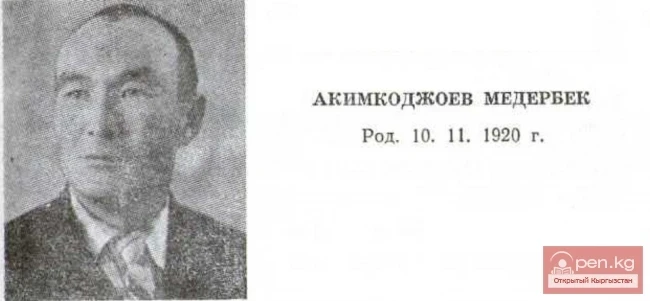
Poet Mederbek Akimkodzhoev
Poet M. Akimkodzhoev was born in the village of Bazar-Turuk in the Jumgal district of Naryn region...
The Poet Jumakan Tynymseitov
The poet J. Tynymseitova was born on 11. 1929—29. 07. 1975 in the village of On-Archa in the...
Poet Abdravit Berdibaev
Poet A. Berdibaev was born on 9. 1916—24. 06. 1980 in the village of Maltabar, Moscow District,...
Poet Akynbek Kuruchbekov
Poet A. Kuruchbekov was born on December 5, 1922 — November 29, 1988, in the village of Eryktu,...
Poet, Prose Writer Dzhenbap Mambetaliev
Poet and prose writer D. Mambetaliev was born on December 18, 1938, in the village of Ottyk,...
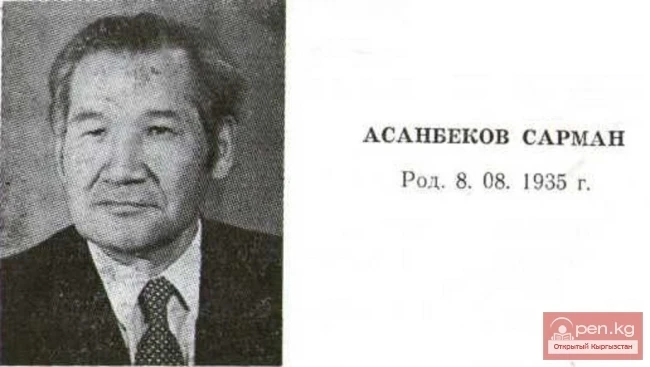
Poet, Art Historian Sarman Asanbekov
Poet and art critic S. Asanbekov was born in the village of Aral in the Talas region of Kyrgyzstan...
Dzhumanazarova Asylkan Zulpuqarovna (1952)
Dzhumanazarova Asylkan Zulpukarovna (1952), Candidate of Chemical Sciences (1982), Professor...
Poet, playwright Dzhomart Bokonbaev
Poet and playwright J. Bokonbaev was born on May 16, 1910 — July 1, 1944, in the village of...
Poet, Journalist Barktabas Abakirov
Poet and journalist B. Abakirov was born in the village of Kum-Dyube in the Kochkor district of...
Poet Dzhaparkul Alybaev
Poet Dzh. Alybaev was born on October 12, 1933, in the village of Birikken, Chui region of the...
Literary scholar, prose writer, poet Dzaki Tashtemirov
Literary scholar, prose writer, poet Dz. Tashtemirov was born on October 15, 1913—October 7, 1988,...
Prose Writer, Translator Bakan Sexenbaev
Prose writer and translator B. Sexenbaev was born on August 20, 1932, in the village of Burana,...
Poet, Translator Orozbay Sulaymanov
Poet and translator O. Sulaymanov was born on February 20, 1928, in the village of Novorossiysk,...