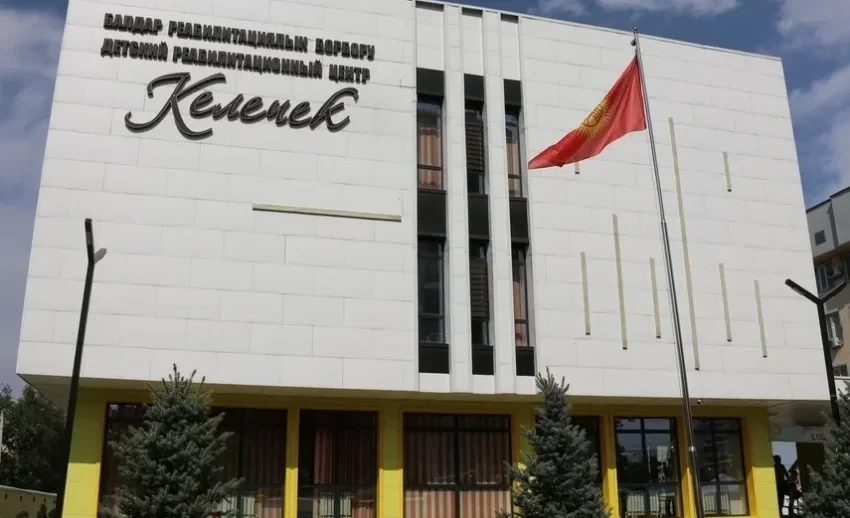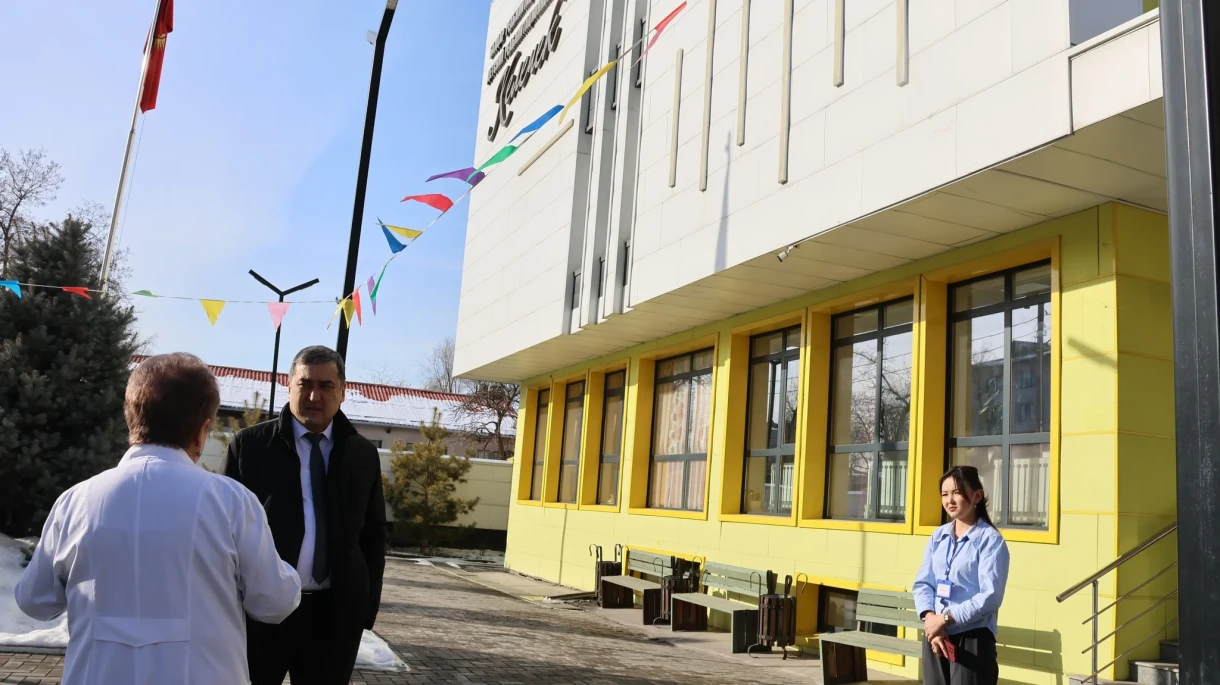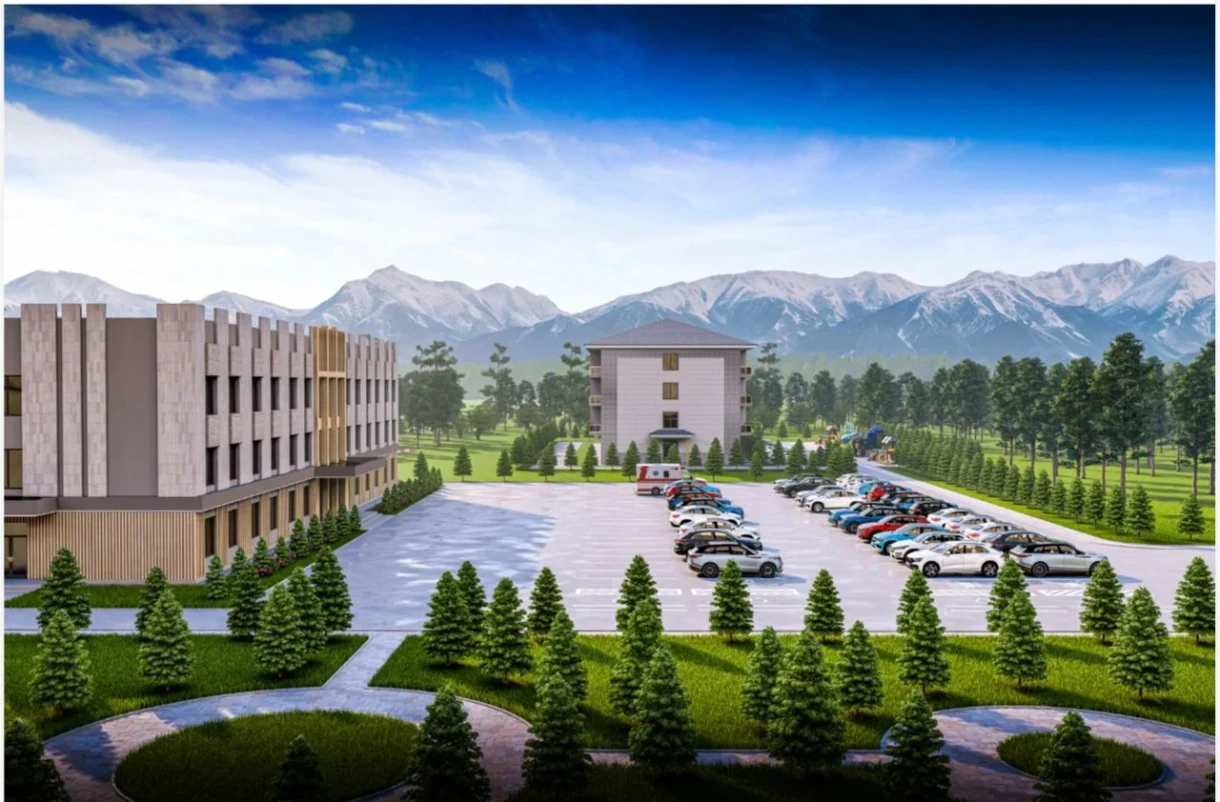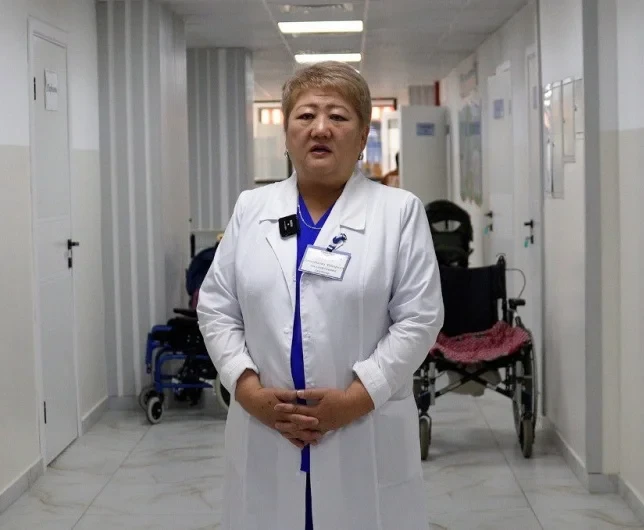


In an interview with Birinchi Radio, the director of the Rehabilitation Center for Children with Disabilities "Kelechek," Chinarkul Tumenbaeva, spoke about the activities of the institution and the services provided.
The center was established on December 29, 2022, with the participation of the President of Kyrgyzstan, which became part of the state support for children with disabilities.
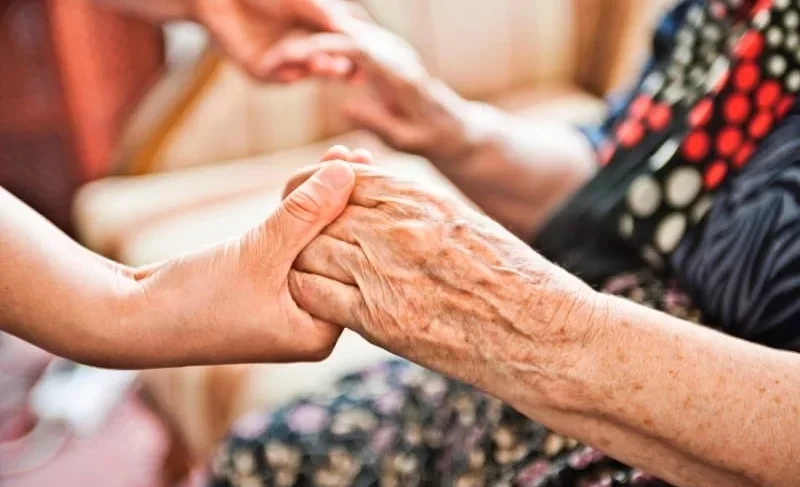
“This is a state institution under the auspices of the Ministry of Labor, Social Security, and Migration. The main goal of the center is to provide rehabilitation services to children with disabilities aged 4 to 18 years, regardless of the region of the republic. We accept children with various nervous system diseases, musculoskeletal problems—both congenital and acquired—as well as those with mild intellectual disabilities, Down syndrome, and mild forms of autism. Our center has a team of specialists, including educators and doctors,” she noted.
According to Tumenbaeva, the center offers a wide range of rehabilitation services, including medical-social and psychological-pedagogical assistance.
“Medical-social rehabilitation includes working with a physiotherapist, hardware physiotherapy, therapeutic physical education, massage, and dental services. Psychological-pedagogical rehabilitation involves sessions with psychologists, educators, defectologists, speech therapists, and occupational therapists, as well as the use of a sensory room for integration and work with parents by a psychologist,” the director explained.

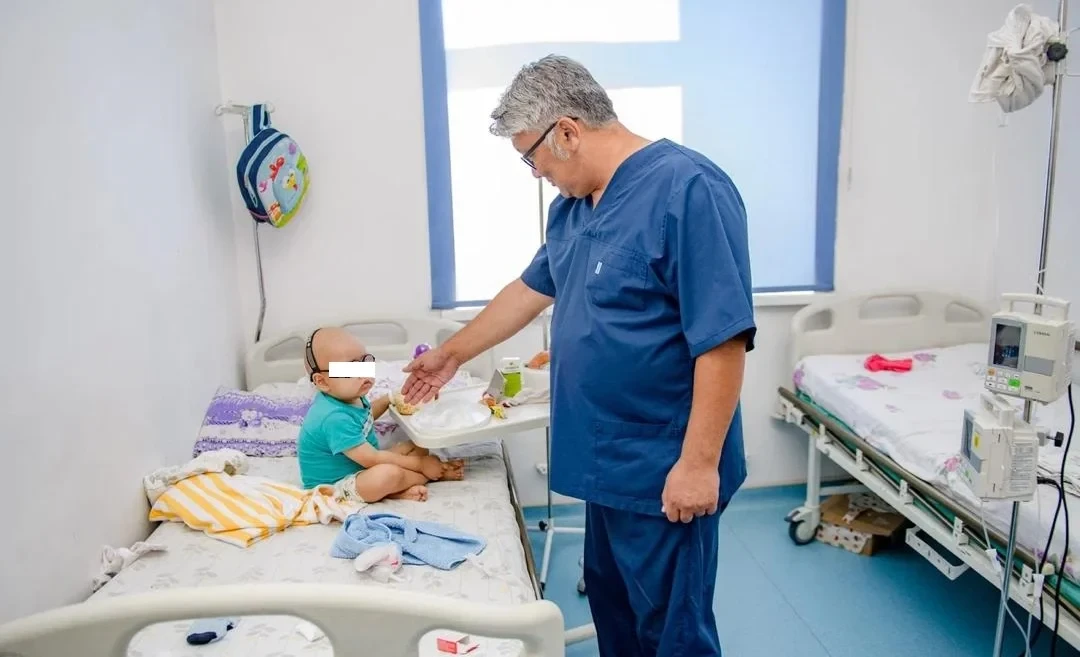
“We have the capacity to accommodate 100 children, of which 60 places are designated for inpatient care, while the remaining children undergo day rehabilitation. This allows us to operate in two formats: round-the-clock inpatient care with four meals a day and day rehabilitation. Children from Bishkek and nearby areas can visit the center for three hours, while children from more remote regions stay in the hospital for about a month. Children under 10 years old are accepted with accompanying adults. During outpatient rehabilitation, children can come every other day, allowing the course to last up to two months,” she added.
The director emphasized that children require both medical-social and psychological-pedagogical assistance.
“In practice, there is no clear division, and most children need both forms of assistance. About 70% of children have speech disorders or delays in speech development, making psychological-pedagogical rehabilitation mandatory and important. With the increasing number of patients, we sometimes face a shortage of speech therapists and therapeutic physical education instructors. Currently, we are taking appointments by prior arrangement, and after completing a course, we indicate the date of the next visit, usually in three months, which helps avoid queues,” she concluded.