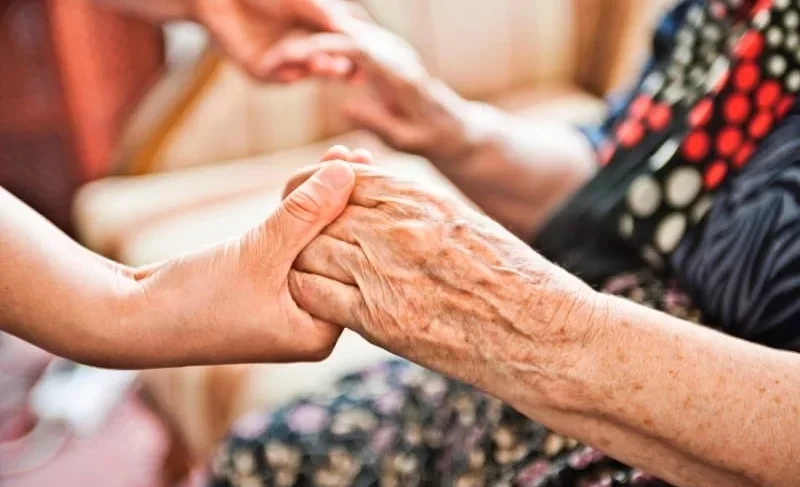
— In Kyrgyzstan, there are more than 221 thousand people with disabilities, among whom over 37 thousand are children. These figures highlight the importance of social policy aimed at creating equal conditions for all citizens.
We are actively implementing international commitments to protect the rights of people with disabilities. The ratification of the UN Convention on the Rights of Persons with Disabilities has become an important step in this area. This document sets the parameters of our policy, including accessibility, the development of rehabilitation systems, and the active participation of people with disabilities in public life.
In Kyrgyzstan, more than 88 thousand citizens receive social benefits, and over 130 thousand receive disability pensions. The average pension amount is 9,649 soms. Each figure reflects the fate of a specific person, and our policy is aimed not at collecting statistics, but at improving the quality of life for people.
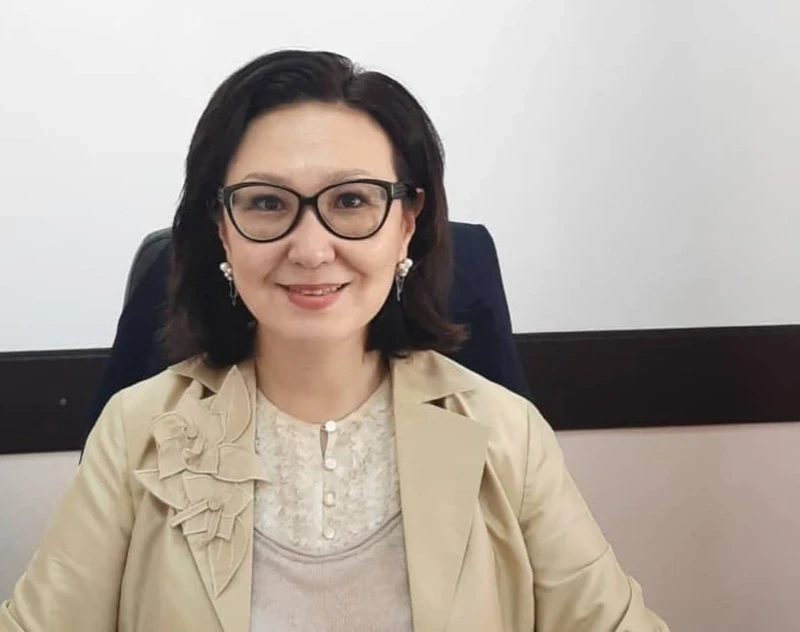
— This program represents a comprehensive reform in the field of social policy, covering six main areas: the development of the medical and social expertise system, rehabilitation, access to the labor market, prosthetics, infrastructure, and education.
The program significantly impacts the daily lives of people. Digitalization and the transition to the "Tunduk" system greatly reduce bureaucracy and simplify access to services. This is a new level of government service.
It is important to note that all disability services are now available through the "Tunduk" system. Accessibility is not only about physical conditions, such as ramps and elevators, but also about changing public consciousness.
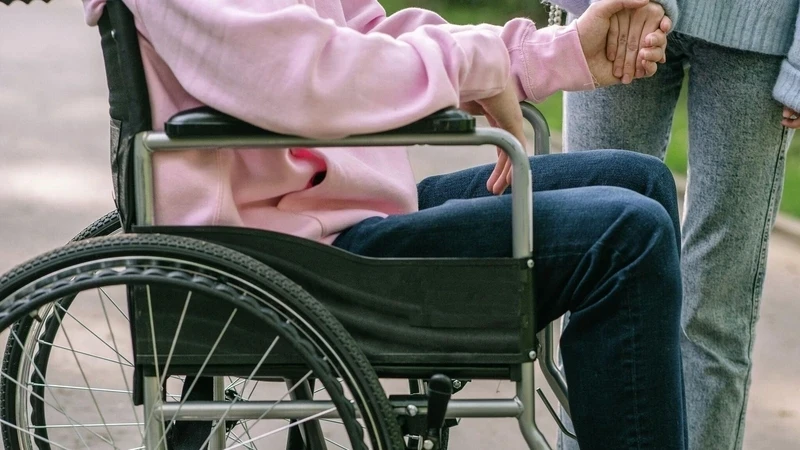
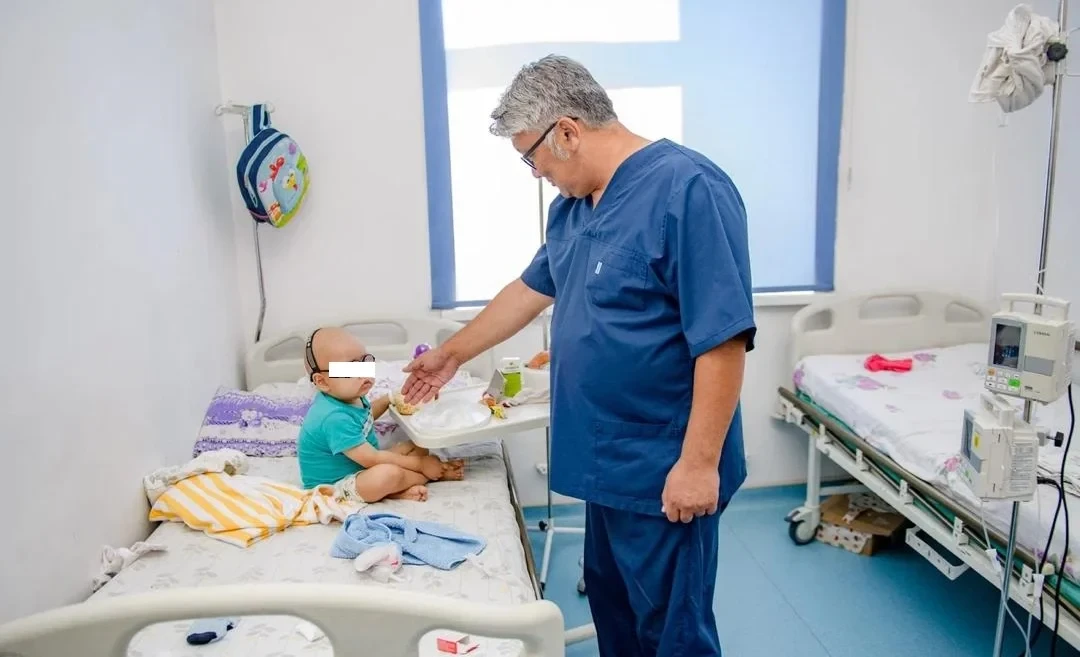
— Opened in Bishkek, this center has become an important achievement of social policy. It provides rehabilitation for children with cerebral palsy, autism, Down syndrome, and other conditions. The center helps hundreds of children each year, improving their health and future prospects. The collaboration between medical and social specialists has elevated the quality of rehabilitation to a new level. These projects demonstrate the state's care for every child.
The center was established at the initiative of President Sadyr Japarov at the end of 2022. It is not just an institution, but a significant investment in the future of children, opening new horizons. Here, every child has the opportunity to develop their abilities and integrate into society. The president's initiative emphasizes the state's care for children and confidence in their future. We continue to support this work and contribute to the development of children, as rehabilitation is not only about treatment but also about fostering a child's belief in their abilities.
— How is the policy towards elderly people changing?
— Kyrgyzstan is among the countries with an increasing number of elderly citizens. Currently, there are 440 thousand, and in response to this, a program called "Active Longevity" has been developed for 2025–2030.
The program aims to unlock the potential of elderly people and includes three key areas:
- support for social and economic activity;
- health protection and social security;
- ensuring a decent life.
— What is the role of social workers in this system?
— Social workers are the heart of our system. Currently, more than 850 such specialists provide home assistance to over 9 thousand citizens. They support lonely elderly people, people with disabilities, and families in difficult situations on a daily basis. We highly value their work and plan to further improve the quality of social services. A social worker is not just a specialist but a state representative close to the people.
— What are the main priorities set for the future?
— People-centered policy is at the core of our strategy. In the coming years, we will focus on the following areas:
- expanding access to rehabilitation services;
- developing an inclusive labor market;
- increasing digital social services;
- ensuring equal opportunities for all segments of society.
- developing social entrepreneurship;
- preventing domestic violence;
- supporting children and vulnerable groups.
— In conclusion, how would you describe the social policy of Kyrgyzstan?
— The social policy of Kyrgyzstan is gradually transforming from a model of assistance to a model of development. These changes not only improve the lives of people with disabilities and elderly citizens but also strengthen social unity.