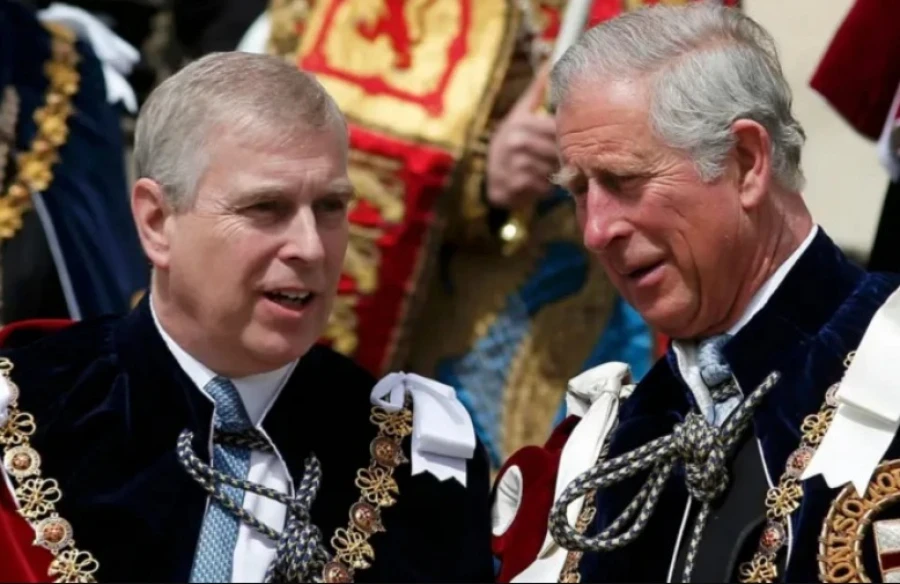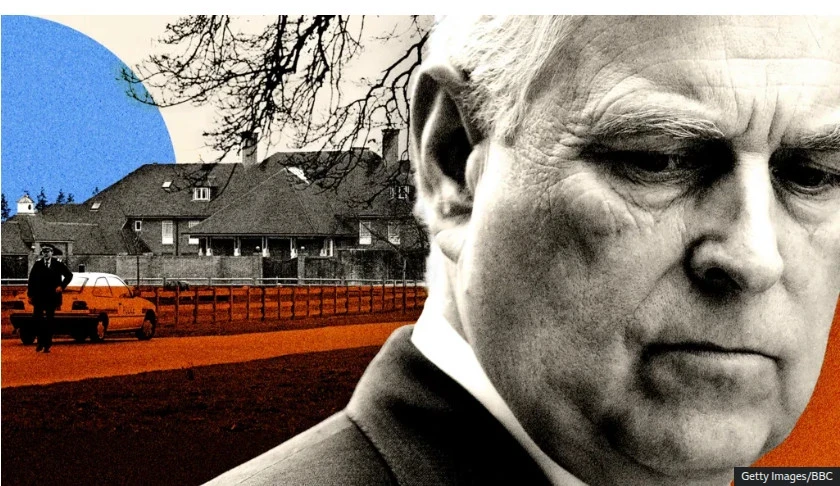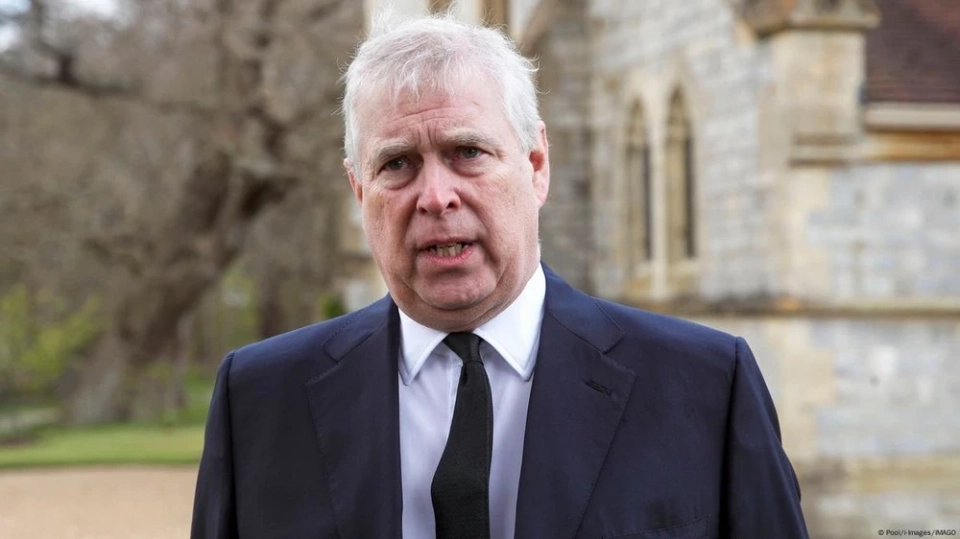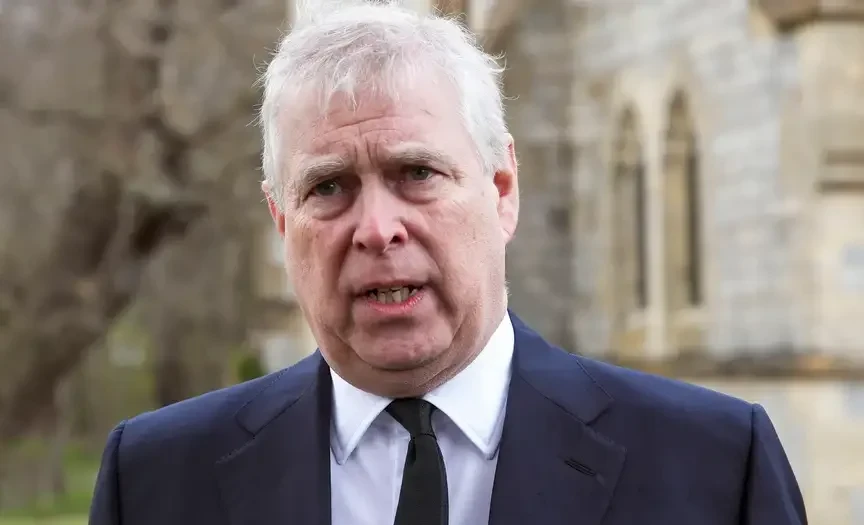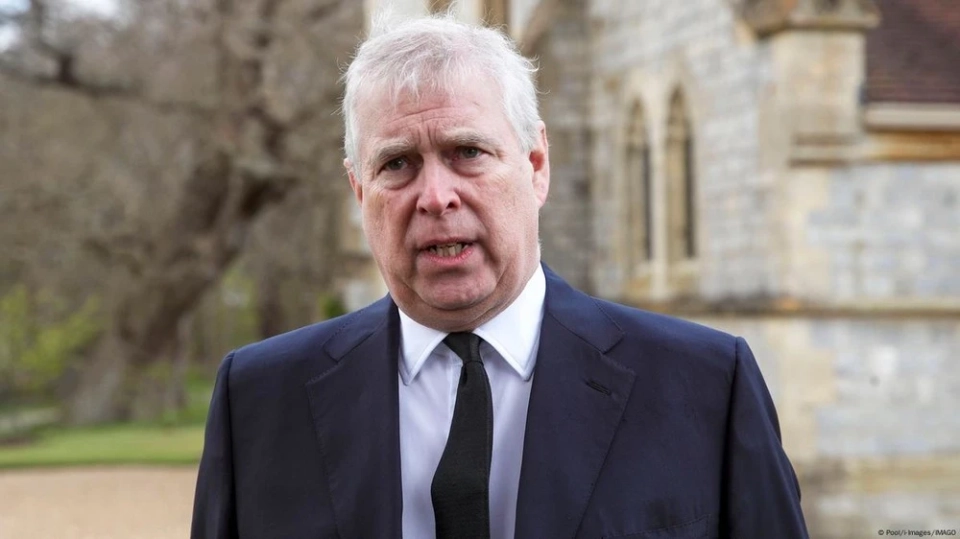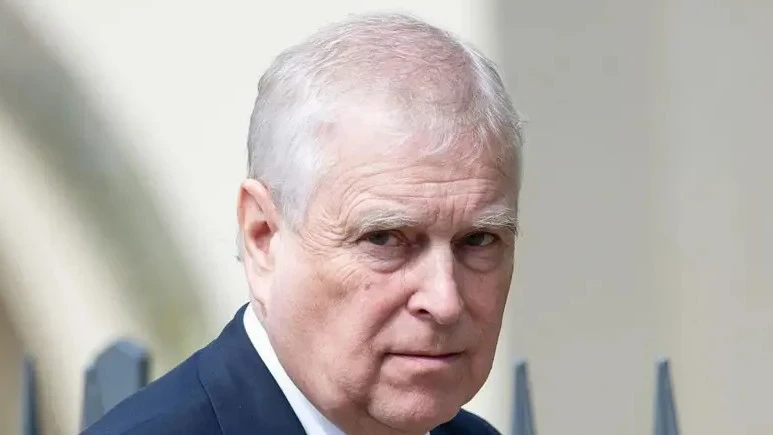
On February 21, the BBC reported that the British government is considering the possibility of excluding Prince Andrew Mountbatten-Windsor, the younger brother of King Charles III, from the line of succession. This step may be taken after the completion of a police investigation related to his activities.
Some members of parliament, including representatives from the Liberal Democrats and the Scottish National Party, have expressed their willingness to support this proposal. However, Labour Party MPs have voiced doubts, pointing to the low likelihood that Prince Andrew could ascend to the throne.
Currently, Prince Andrew is eighth in line to the British throne, despite having lost his royal titles following a scandal related to his connections with Jeffrey Epstein. Earlier, UK authorities denied any intention to amend the succession law.
To change the order of succession, a separate law must be passed in parliament, which must receive approval from both houses, as well as consent from the other Commonwealth countries where the British monarch is the head of state. The last changes to the succession legislation were made in 2013, while the last exclusion from the line of succession occurred in 1936, when former King Edward VIII and his descendants were removed.
Prince Andrew was detained on February 19 on suspicion of abuse of power and was released after approximately 11 hours. On the same day and the following day, searches were conducted at several addresses associated with him, which, according to media reports, may continue until February 23.