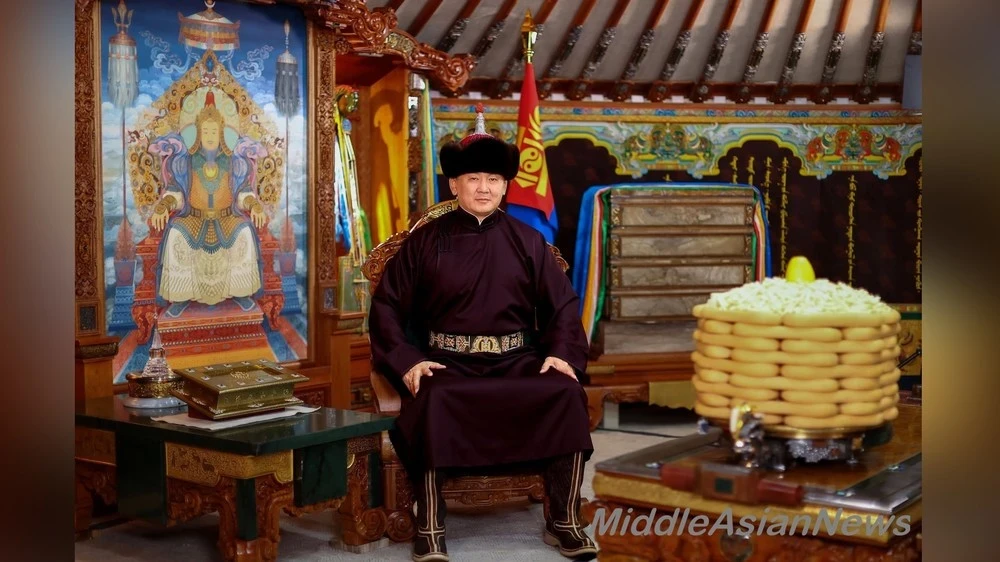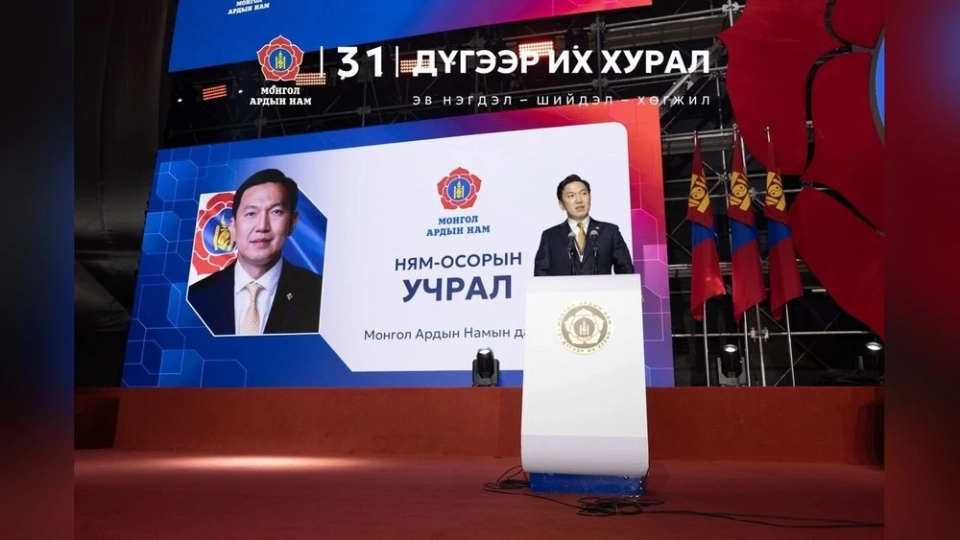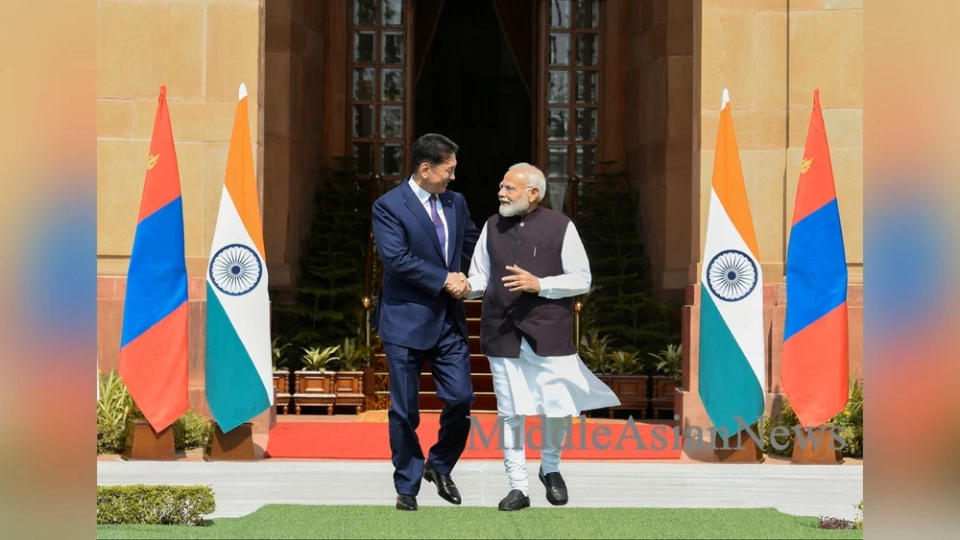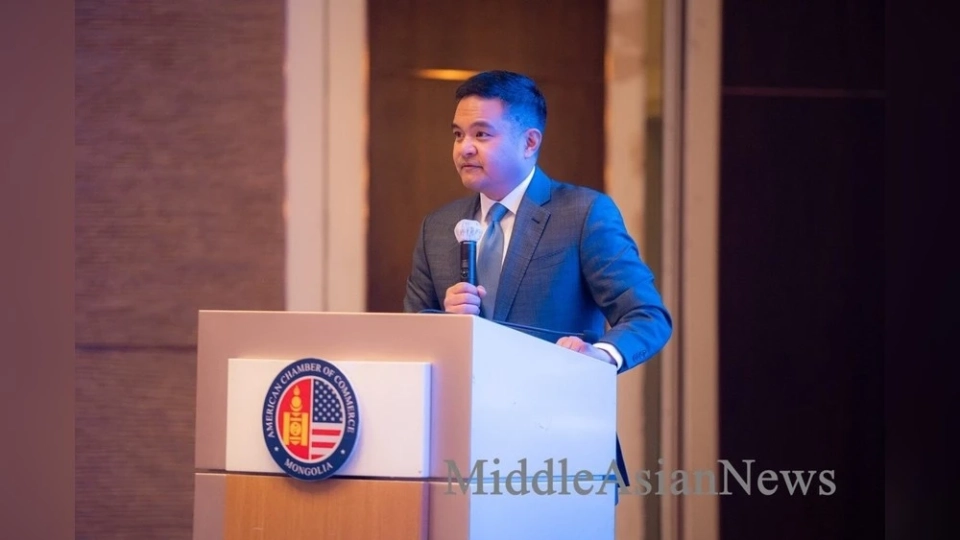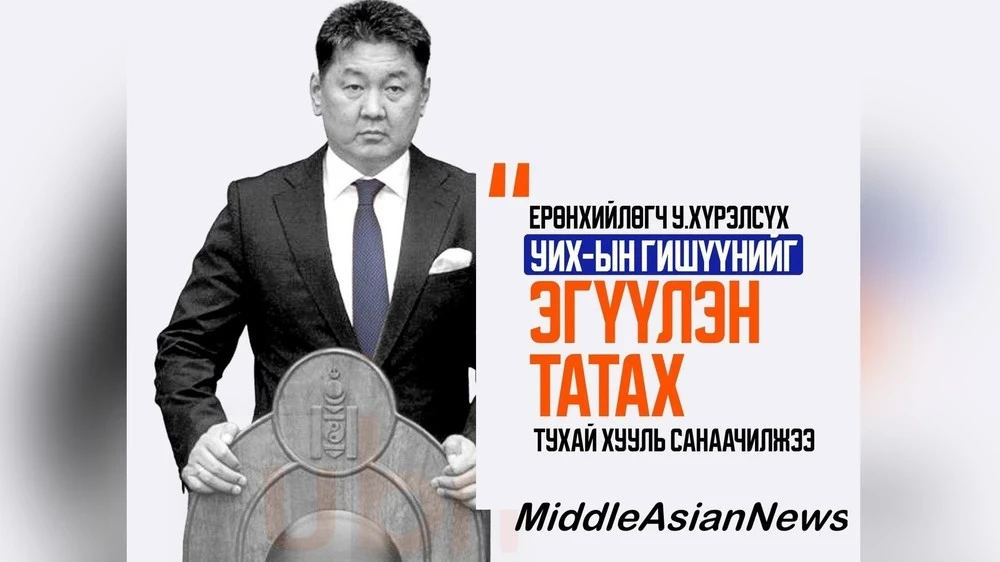
The President of Mongolia, Ukhnaagiin Khurelsukh, has presented a bill for discussion in the Great State Khural (parliament) that proposes the possibility of annulling parliamentary mandates. This was reported by MiddleAsianNews.
During the discussion of the bill's concept, the head of the Presidential Administration, Uylstogoldor Altankhuyag, noted that the President, representing the unity of the Mongolian people, bears an important responsibility for strengthening trust between the state and citizens, as enshrined in the Constitution. He initiated this bill to enhance public oversight of Parliament's activities and ensure its more transparent functioning.
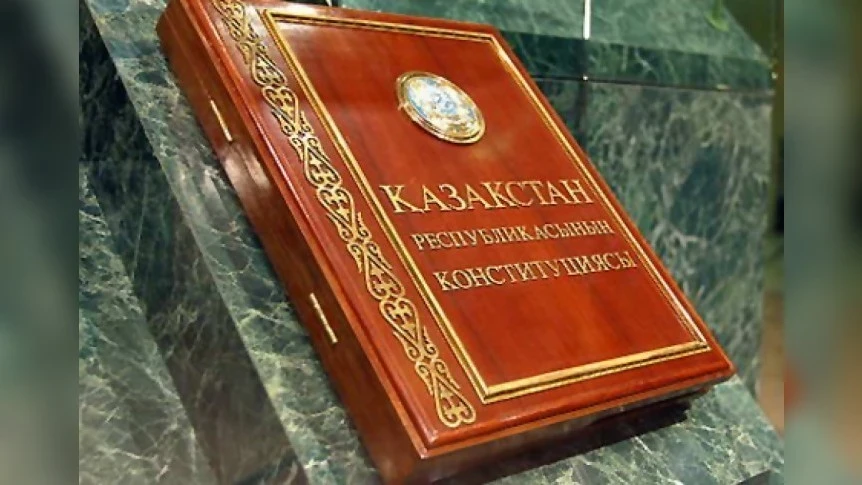
“The parliamentary system in Mongolia plays a key role. The President believes that protecting the inviolability of parliament is crucial for stability and national security. Ethical standards and accountability of deputies, as well as citizens' trust, are the foundation of parliamentary inviolability. However, recently a number of deputies have found themselves at the center of corruption scandals and ethical violations, which has drawn criticism from society. Citizens are demanding a solution to this problem. The Constitution allows for the recall of a deputy in case of violation of the oath, but legal mechanisms for implementing this provision have not yet been established. Therefore, the president proposed a bill that will be an important step towards realizing this provision of the Constitution,” added Uylstogoldor.
The bill includes the following grounds for the recall of a deputy:
Creating the possibility of holding deputies legally accountable for ethical violations.
Deputies who violate their oath and commit serious offenses will be subject to consideration by the parliamentary ethics subcommittee and the plenary session, and may be recalled by the decision of the Constitutional Court.
If a crime is established, the deputy will lose their mandate.
Increasing the responsibility of political parties represented in parliament and recalling deputies elected from party lists in case of serious ethical violations.