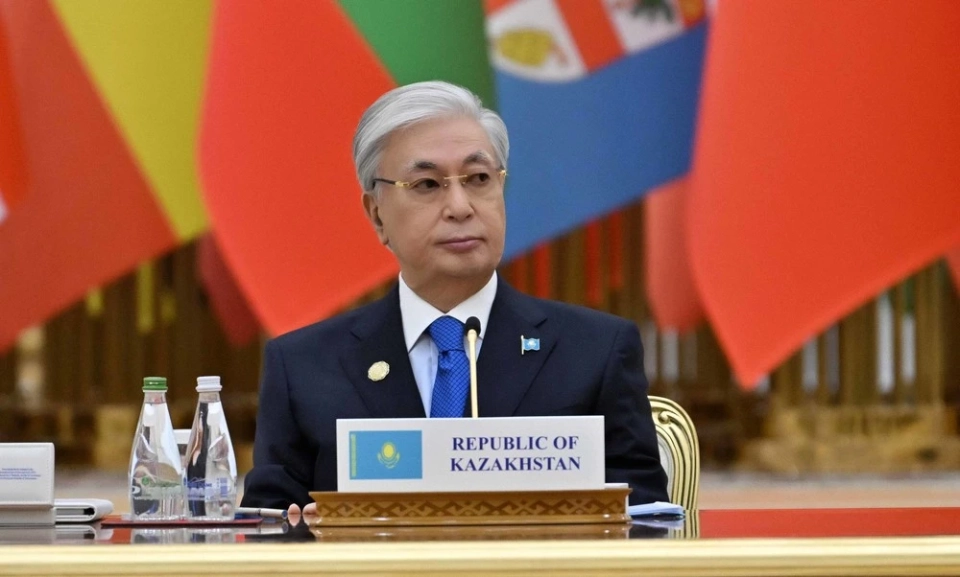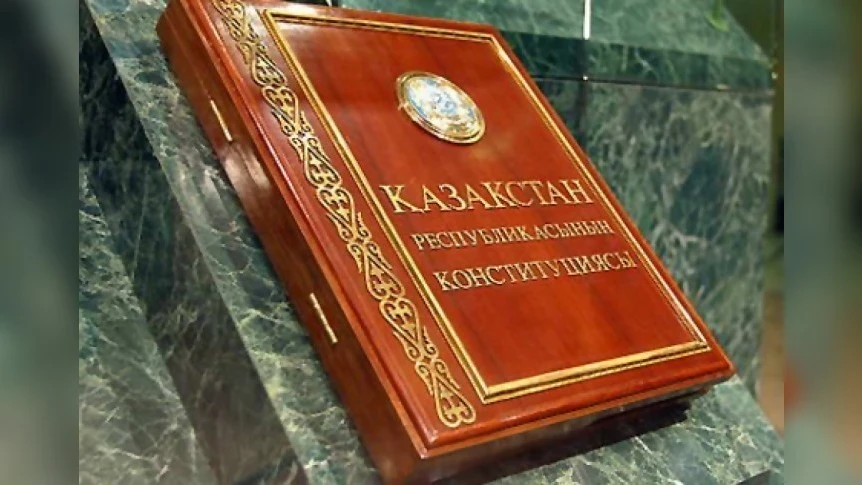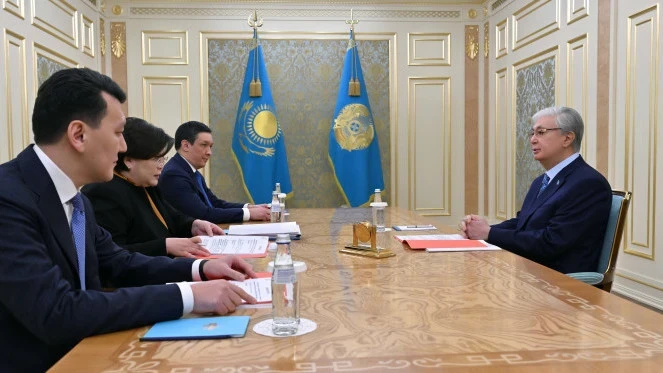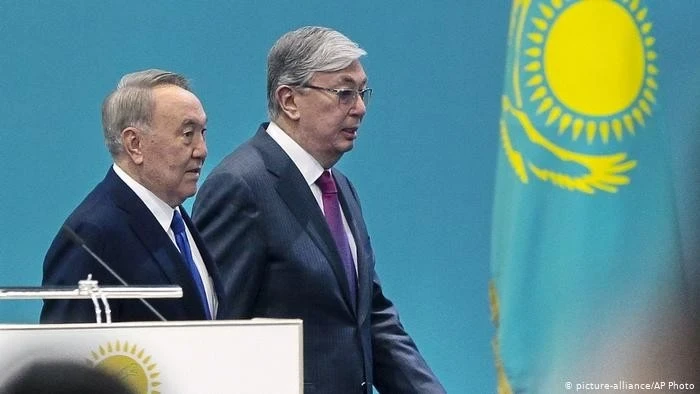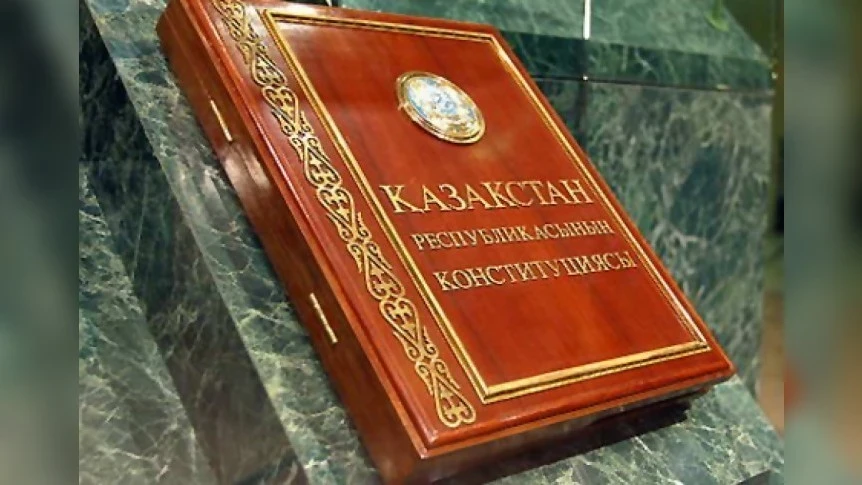
The official media of Kazakhstan has published the final second draft of the new Constitution. If approved by the people in the Republican referendum, the day of the adoption of the fundamental law will become a national holiday. The Constitution will come into effect on July 1, 2026, as reported by "Kursiv".
Thus, the people of Kazakhstan are presented with a Constitution that reflects nomadic traditions, a consistent and motivated Law of laws of the steppe civilization. It is important to note that in the history of Kazakh statehood, prior to the formation of the USSR, there were documents such as the Great Yassa of Genghis Khan and the steppe Constitutions of Kasym Khan, Yesim Khan, and Tauke Khan. The norms of the Constitutions of 1978, 1993, and the current Constitution of 1995 also protected the rights of our people during the Soviet and post-Soviet periods.
My analysis of public opinion regarding the draft of the new Constitution showed that the majority of citizens reacted positively to the political and legal decision made at the last Kurultai in Kyzylorda about the need to amend the 1995 Constitution, which ultimately led to the creation of a new edition of this supreme legal act.
It is not surprising that the Constitution of 1995 fulfilled its historical role, demonstrating the strengths and weaknesses of our statehood. Amendments were made in accordance with the times, but the current state requires decisive steps to ensure legal sovereignty and the future of the nation.
Objectively, the emergence of the new draft Constitution has sparked active discussions in society, and many proposed norms have become subjects of discussion in the meetings of the working group and the Constitutional Commission established at the initiative of the head of state.
Undoubtedly, the opinions of citizens deserve attention, but it is difficult to agree with the position of human rights activist Yevgeny Zhovtis, who recently expressed his opinion on the BBC News website. His conclusions, in my opinion, lack serious grounds.
First. Since 2019, the President of Kazakhstan has consistently implemented the ideology of a Just State, which includes six main principles of domestic policy. One of them is "Strong President — Influential Parliament — Accountable Government," which is justified in the context of the changing world order and the role of middle powers. The draft of the new Constitution lays down mechanisms for the interaction of the president with the three branches of power to prevent abuses.
It is logical that the appointments of senior officials of state bodies are divided between the president and the Kurultai. This allows the president to work directly with them, while those appointed by him represent the interests of the representative power.
The norms of the Constitution maintain the institution of inviolability for senior officials but also provide clear conditions for depriving this inviolability in criminal cases, which is already reflected in current laws.
In this regard, Zhovtis's assertion about the "super-presidential" nature of the new political model, in my opinion, is unfounded.
Second. Kazakhstan has always been a full-fledged subject of international law in the field of human rights protection, and this has never been questioned. Zhovtis should realize this as well.
The topic of international treaties occupies a central place in the draft of the new Constitution, including Kazakhstan's obligations under ratified treaties. It is important that the norms of the draft indicate that the procedure for applying international treaties is determined by national legislation, which is necessary for the correct application of international law norms in the country.
It is worth noting that Zhovtis's opinion about the vagueness of the wording of Article 23 contradicts reality. There are no problems with freedom of speech in Kazakhstan; on the contrary, there is an excessive manifestation of it.
Zhovtis also ignores the norms of paragraph 3 of Article 19 of the ICCPR of 1966, which states that the exercise of rights may be subject to restrictions by law if necessary for respect for the rights of others or for the protection of national security.
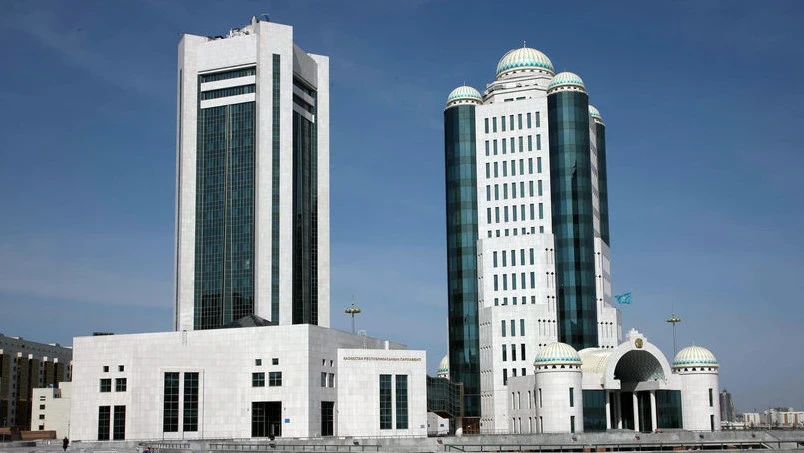
Third. The creation of a unicameral legislative body — the Kurultai — reflects the historical traditions of the nomadic civilization and should contribute to more effective lawmaking without duplication of processes in legislative bodies.
The issue of creating the Kurultai has been the subject of the President's Addresses and political actions, and the discussion of its role within the framework of the "Just State" has become an important step towards its legalization.
I can confirm this, as I was the initiator of a scientific discussion on this issue in 2025. In my publications, I also raised questions about legislative activity and the improvement of the Constitution of Kazakhstan.
Fourth. Politics, economics, and law are the main pillars on which any fundamental law is built. In this context, economic issues, the budget, and expenditure control are key topics for any legislative body, including the Kurultai. Therefore, the draft of the new Constitution enshrines rules regarding the adoption of economic laws that must be implemented by the government.
The Kurultai has the right to enact laws regulating important social relations, including the budget and state loans, as well as to hear reports on the execution of the budget. The inability to approve the government's report may be interpreted as a vote of no confidence in it.
Thus, the draft of the new Constitution clearly defines the role of the Kurultai as the "Influential Parliament" in relation to the "Accountable Government." Zhovtis's statements about the diminishing role of the Kurultai in regulating economic policy do not correspond to the legal norms of the draft.
The discussion of the norms of the new Constitution should be based on a deep understanding of the historical context and the real experience of Kazakh statehood in the conditions of global civilization.