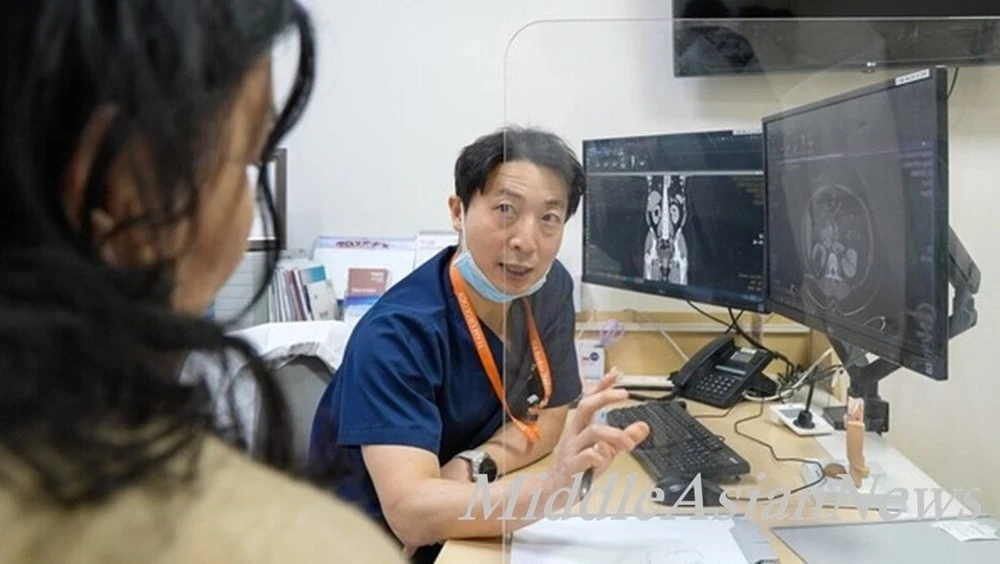
Mongolia and Korea have reached an agreement to restore bilateral cooperation in the field of medicine and healthcare, which was suspended due to the COVID-19 pandemic. Under the new agreement, the parties agreed to work together on the transfer of patients funded by the Mongolian government, as well as on the training of medical personnel.
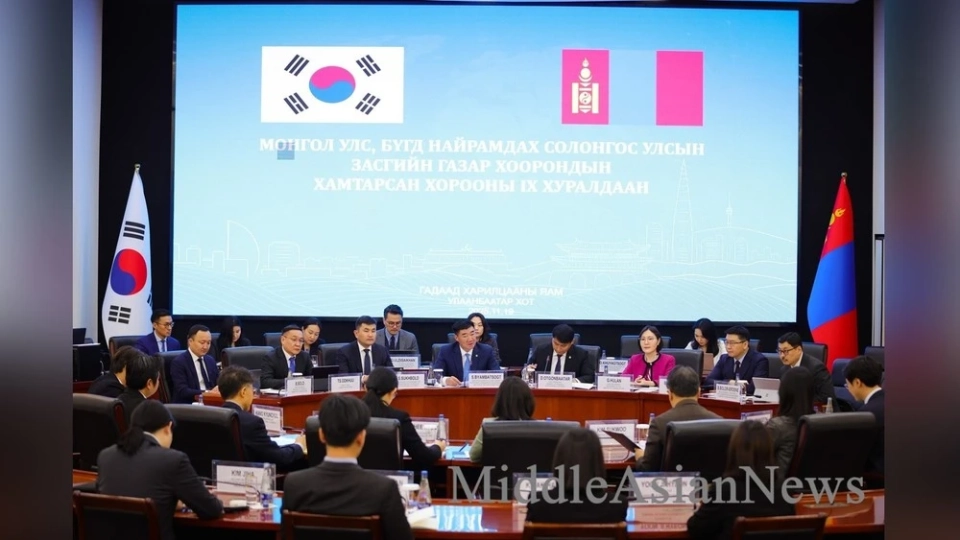
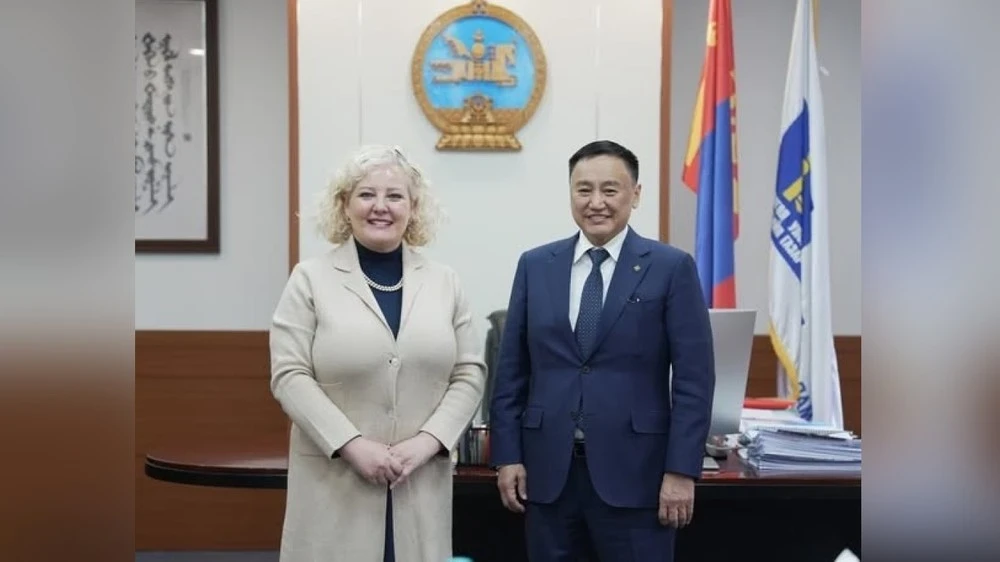
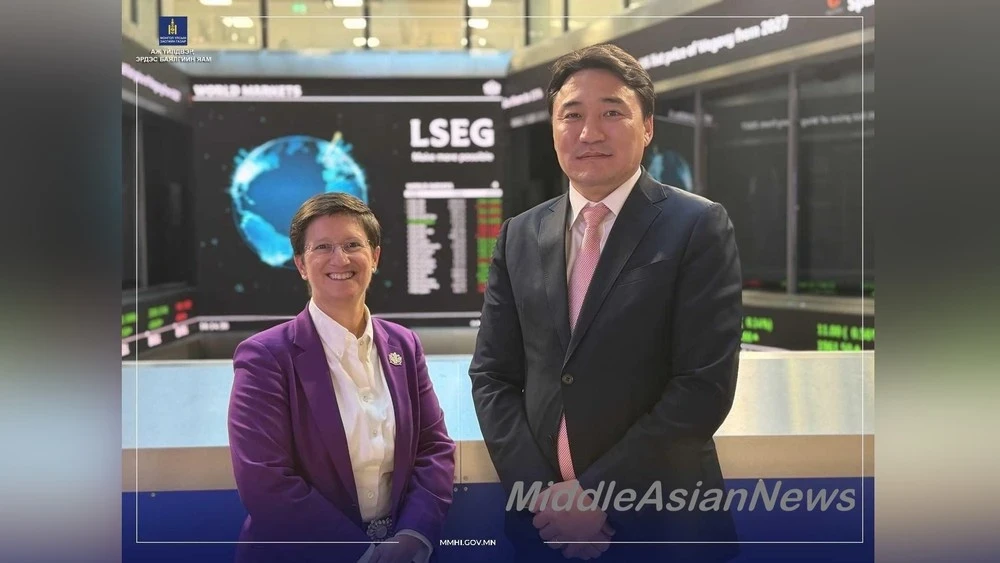
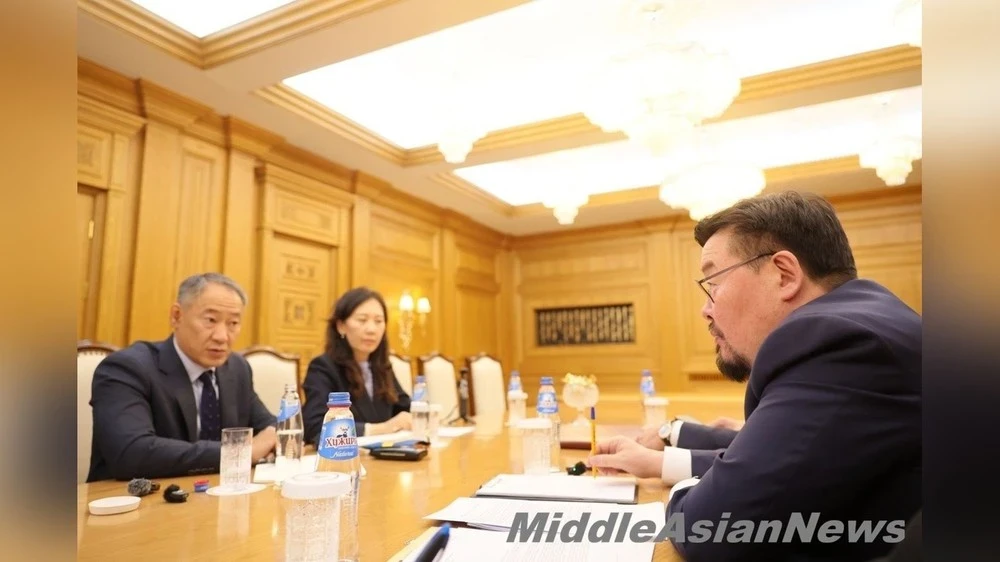
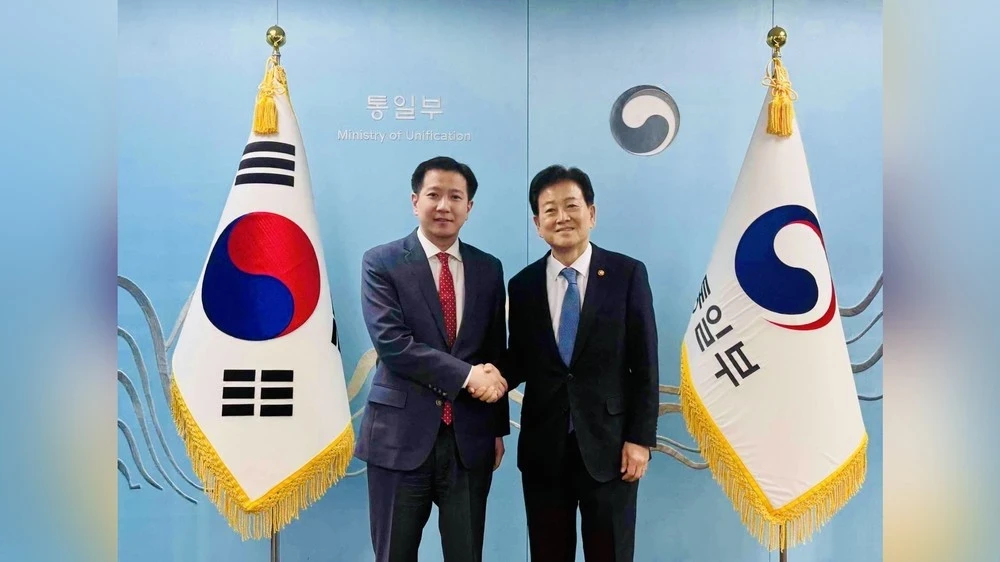
On Friday, a meeting was held at the Lotte Hotel between the Minister of Health of Korea and the Minister of Health of Mongolia, Chimburen Jigjidpurev, who arrived in Korea to participate in the Medical Korea 2026 conference. This was reported by MiddleAsianNews.
Since the signing of the memorandum of understanding in March 2011, Mongolia has established itself as a strategic partner in the field of healthcare, and Korean medical institutions are actively expanding their presence in the country. By 2024, approximately 26,000 Mongolian citizens have utilized the services of Korean medical professionals, highlighting the high level of bilateral cooperation.
This meeting was an important milestone in reaffirming the significance of cooperation in medicine and defining new areas for collaboration. Issues concerning the restoration of the joint Korean-Mongolian health authority, treatment of patients funded by the Mongolian government, training of medical personnel, oncology, as well as telemedicine and the development of ICT infrastructure in Mongolia were discussed.
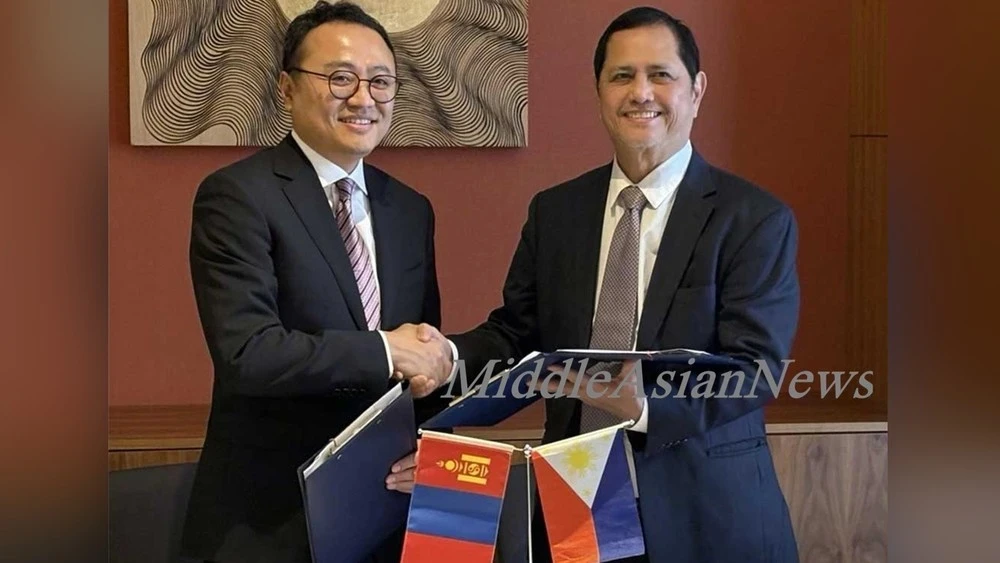
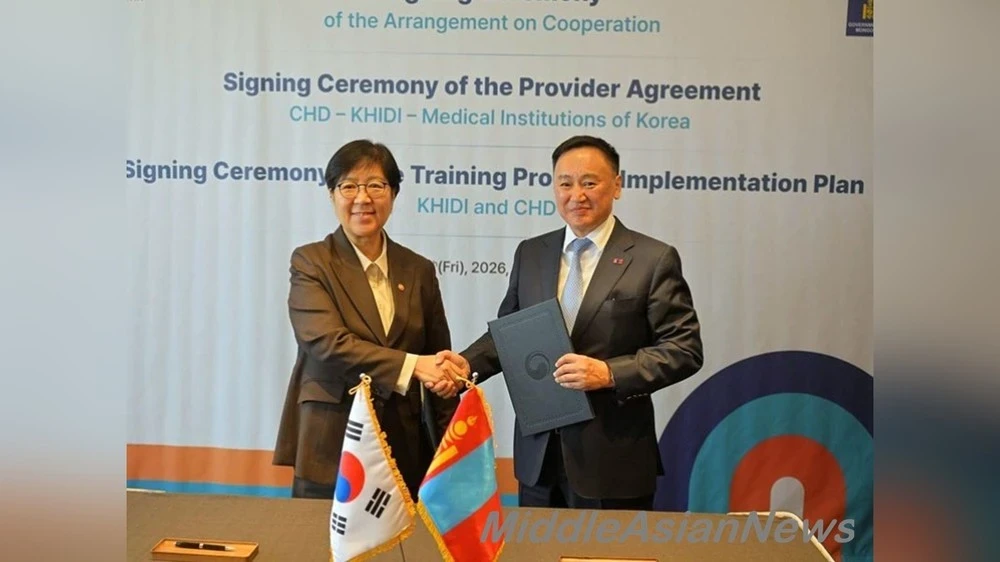
As a result of the meeting, three agreements were signed aimed at strengthening cooperation in the medical care of patients from Mongolia who receive government funding and training of doctors. In particular, an agreement was made on patient transfer and cooperation in training, an agreement on the provision of medical services, and a plan for the implementation of medical training programs.
The agreement signed by the ministers is significant as it expands cooperation in patient transportation and clinical training, which was previously focused on the Middle East, to Mongolia.
As part of this cooperation, 24 leading medical institutions in Korea, the Mongolian Center for Health Development (CHD), and the Korean Health Industry Development Institute (KHIDI) signed a trilateral agreement to provide medical services for patients with government funding.
This agreement will allow Mongolian patients to choose medical institutions in Korea in advance and receive quality care upon arrival.
The plan for the implementation of the physician training program, signed between CHD and KHIDI, takes into account the needs of Mongolia, and cooperation will expand as Mongolia partially covers the costs. From 2012 to 2019, under the "Korea-Mongolia in Seoul" project, 173 doctors were trained, which contributed to strengthening mutual understanding and trust between the countries.
According to the new plan, in July, a month-long interdisciplinary training program for medical professionals will take place at one of the Korean medical institutions, which will help develop skills in such in-demand areas as oncology and heart transplantation.
Chimburen Jigjidpurev, Minister of Health of Mongolia, noted: "The key areas of our cooperation are the transfer of patients with government funding and medical training. I believe that the exchange of advanced Korean medical technologies will significantly improve public health in Mongolia and enhance the qualifications of doctors."
Korean Minister of Health Jeong Eun-kyung added: "This meeting within the framework of Medical Korea opens new horizons for cooperation between Korea and Mongolia. We intend to create a bilateral body for cooperation in the field of healthcare and expand collaboration in areas such as oncology, pharmaceuticals, and medical technologies, in addition to patient transportation and educational initiatives."