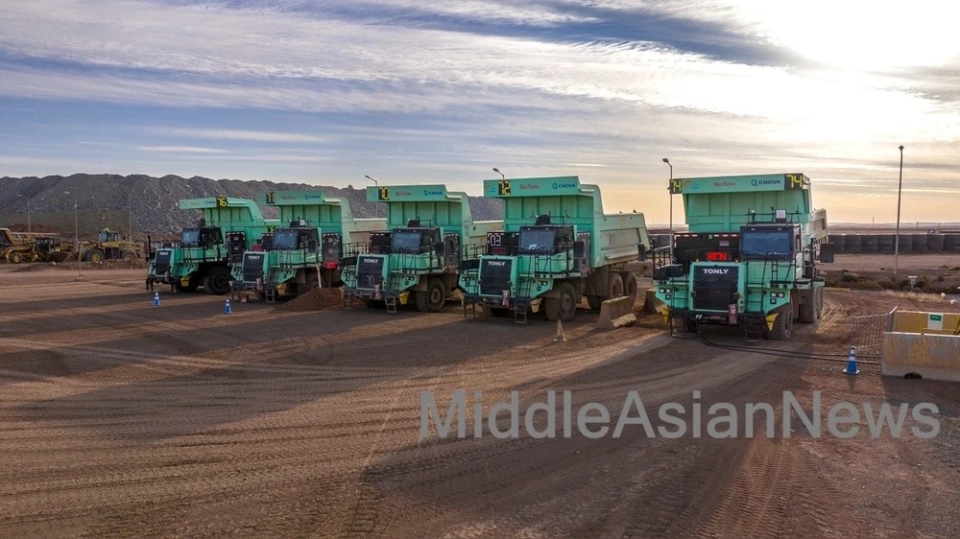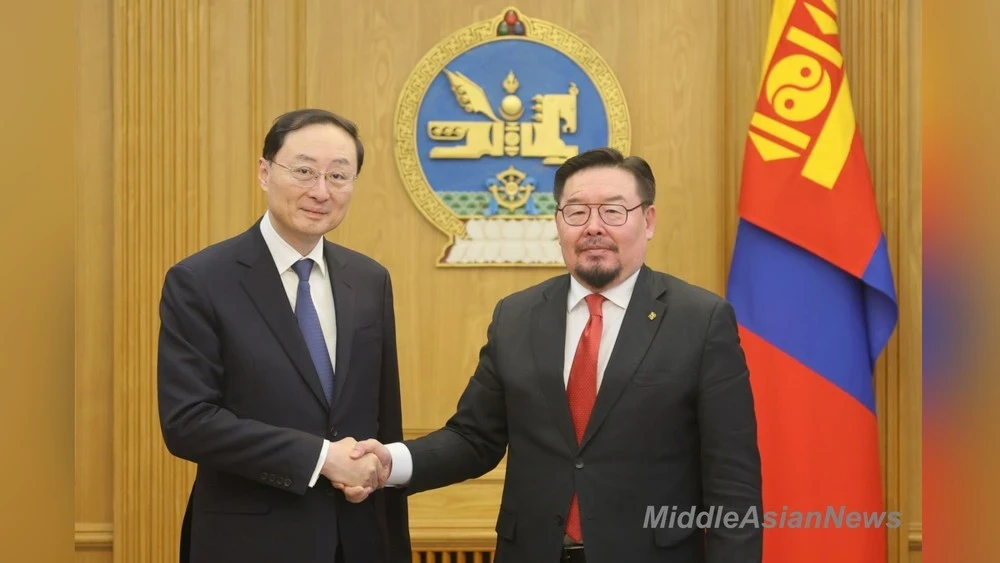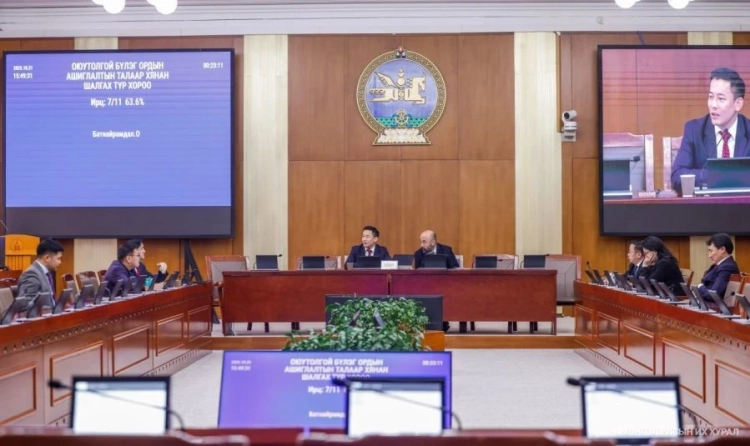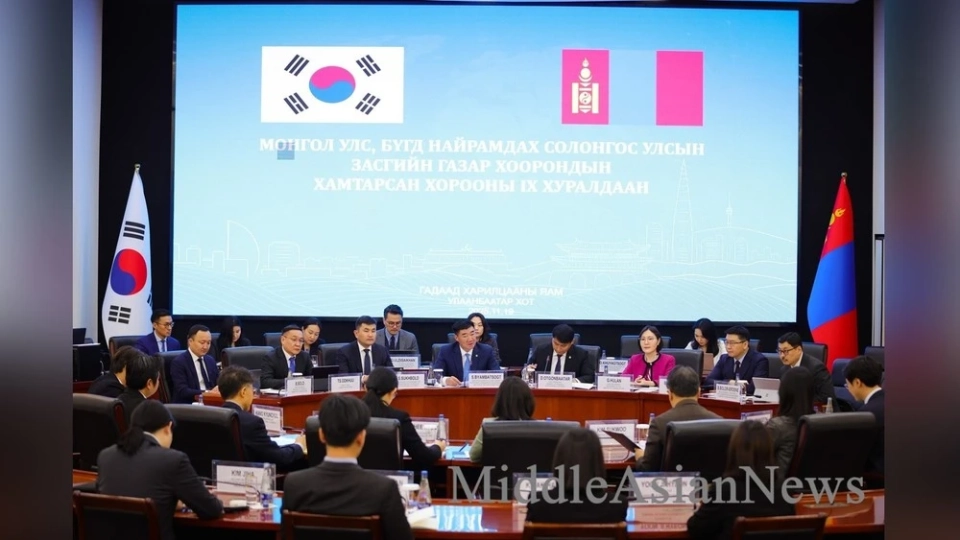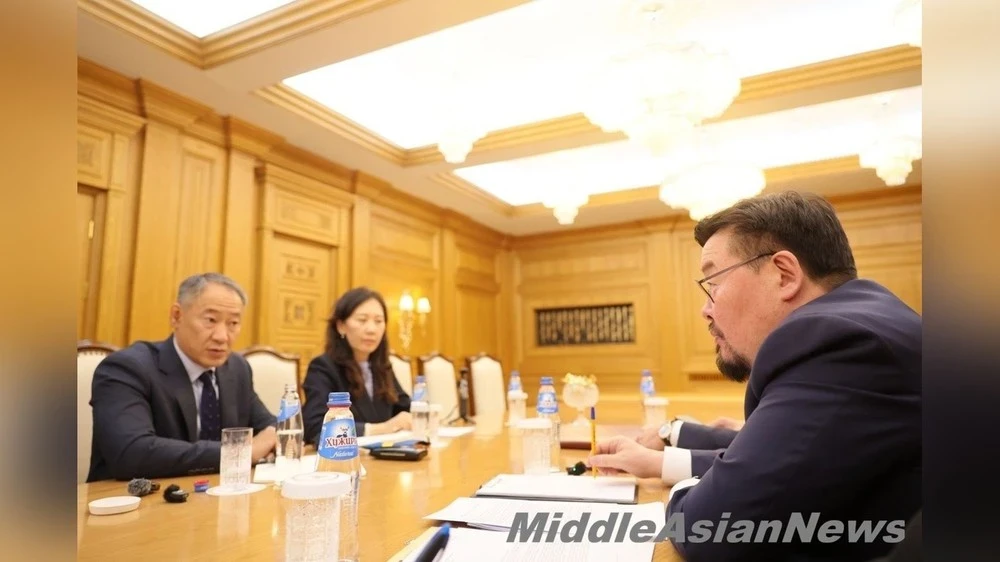
During a meeting with Prime Minister Zandanshatar Gombojav, important aspects of negotiations between representatives of Rio Tinto and Oyu Tolgoi were discussed, aimed at increasing benefits for Mongolia from the project. A phased plan for resolving outstanding issues was also agreed upon. This information was published by MiddleAsianNews.
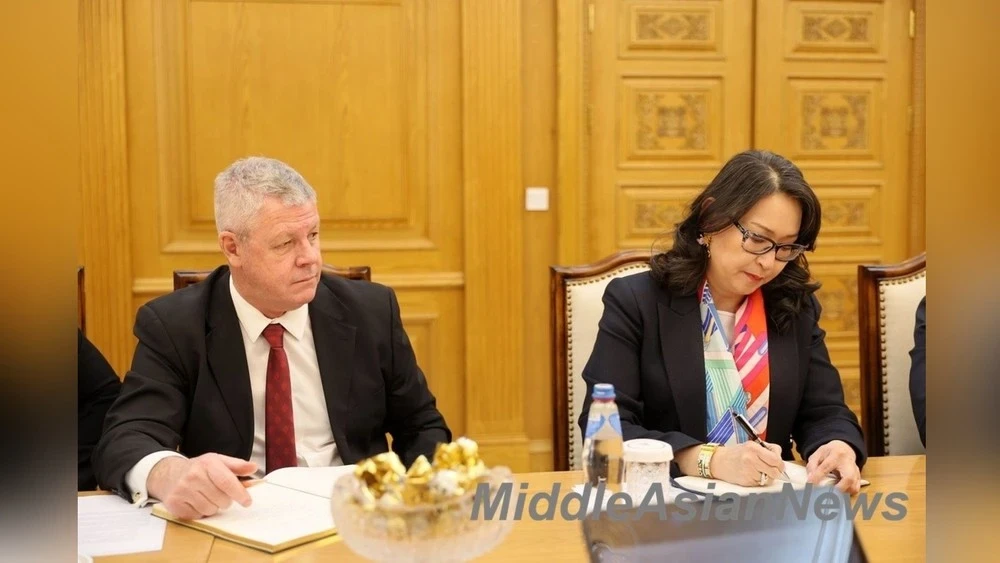
During the meeting, the delegation from Rio Tinto and Oyu Tolgoi included: Amarjargal Henchbish, Director of the Rio Tinto office in Mongolia, Munkhsukh Sukhbaatar, Executive Director of Oyu Tolgoi LLC, Dulamsuren Begzjav, Deputy Financial Director of Oyu Tolgoi, and Andrew Laya, Chief Operating Officer. They presented a letter from the CEO of Rio Tinto Copper Group, Katie Jackson, confirming the readiness to continue constructive dialogue.
Opening the meeting, Prime Minister Gombojav reminded of the importance of the constitutional principle that the majority of revenues from natural resources should belong to the people of Mongolia. He expressed hope for significant progress in reducing financial costs associated with the project soon.
According to officials, Rio Tinto's management, including CEO Simon Trott, confirmed their readiness to engage in open dialogue to ensure the sustainable development of the Oyu Tolgoi project.
In a statement by Katie Jackson, CEO of Rio Tinto Copper Group, active cooperation of working groups established at the direction of the Prime Minister with the company was emphasized. Measures aimed at reducing interest expenses and management costs were proposed, which officials believe will increase Mongolia's share of the project's revenues.
Munkhsukh Sukhbaatar, Acting Director of Oyu Tolgoi LLC, noted that the company supports the government's goals and will cooperate to increase the project's benefits for Mongolia.
The parties agreed to intensify negotiations and address issues in stages, aiming to reach a final agreement in the first half of 2026.
Government representatives noted that a phased approach would allow for a comprehensive resolution of technical, financial, and legal aspects, as well as ensure earlier benefits for Mongolia in the process of implementing the proposed changes.