Plans are in place for the creation of an exhibition center in Fukuoka, which will be dedicated to the massive walls built for protection against Mongol invasions. This information was published by MiddleAsianNews.
Fukuoka Mayor Soichiro Takashima announced plans to build an exhibition complex that will preserve and showcase the remnants of the defensive fort built during the Mongol attacks, on the site of the former Hakuzaki Campus of Kyushu University.
“We aim to create a center where visitors can learn about the process of constructing defensive forts during the Mongol invasions and their significance,” he noted.

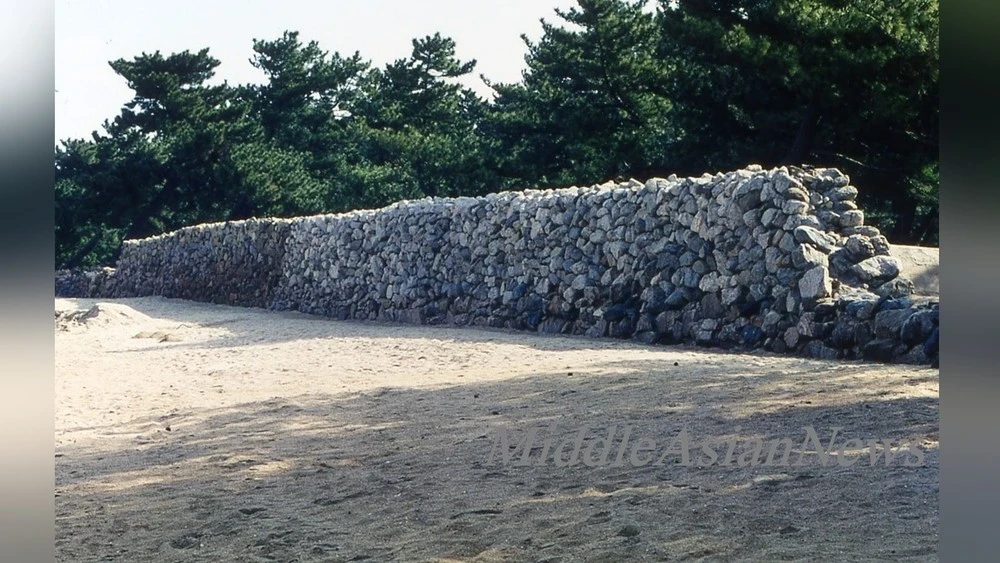
According to information from the Fukuoka city administration, the fortress was built along the coast of Hakata Bay at the direction of the Kamakura shogunate after the Genko War, when the Mongols invaded the city in 1274.
Mayor Takashima added: “The Mongol invasions are of great significance both for Fukuoka and for the entire history of Japan. As a government, we intend to create a facility that will help people better understand the importance of the defensive fortifications built during that period.”
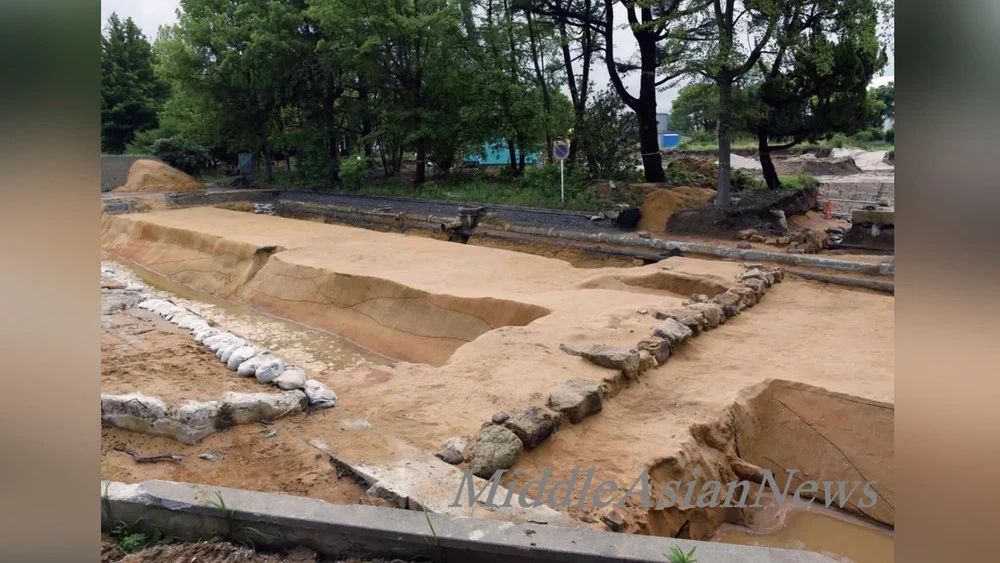
Along Hakata Bay in Fukuoka, "defensive walls against Mongol invasions" made of stone masonry were erected in response to the threat from the Mongol dynasty during the Kamakura period. Remnants of these walls have also been found on the territory of the former Hakuzaki Campus of Kyushu University.
Despite the remnants of forts being discovered throughout the city of Fukuoka, there has not yet been an institution that provides comprehensive coverage of the history of this important bastion.
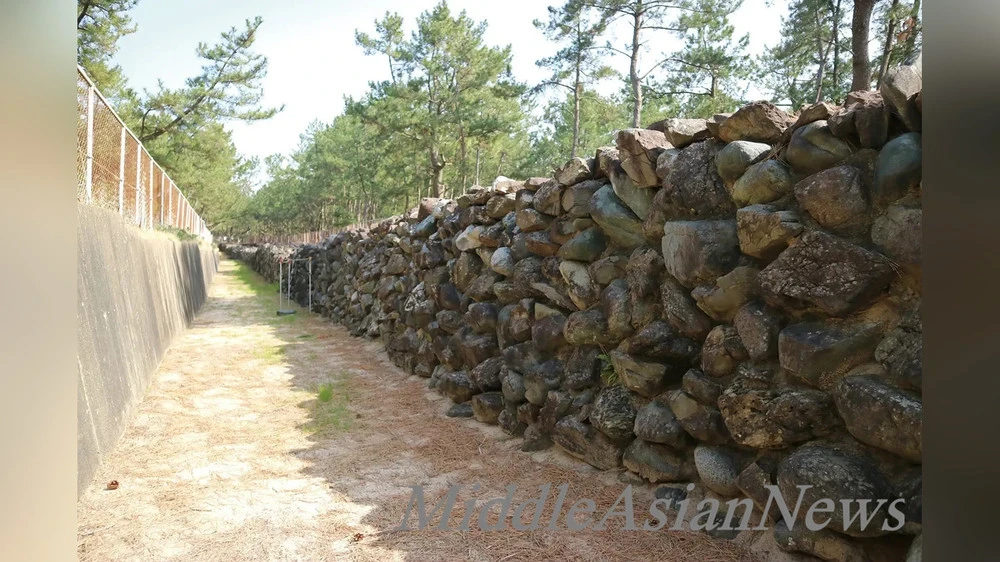
In 1274 and 1281, the Mongol Empire, in conjunction with the Goryeo dynasty, which controlled the Korean Peninsula, attempted to invade Kyushu. After the first attack, the Japanese erected a 20-kilometer-long stone wall along the coast in preparation for the subsequent assault. Eleven sections of these defensive structures in the city have been officially recognized as national historical monuments.
The city plans to create a covered exhibition complex in the Hakuzaki area, located in the Higashi ward of Fukuoka Prefecture. This site, where the Kyushu University campus once stood, was surveyed in 2016, during which stone structures and other artifacts were discovered. The area of this site, approximately 5400 m², has been declared a national historical monument.
The city authorities intend to create interactive exhibitions using modern visual technologies and hope that visitors will be interested in exploring the historical sections of the fortress walls, which differ from the Hakuzaki site.