The Iranian response to the U.S. proposal, conveyed through Pakistan, involved a rejection of the ceasefire and a demand for a complete cessation of hostilities, as stated by the state agency IRNA.
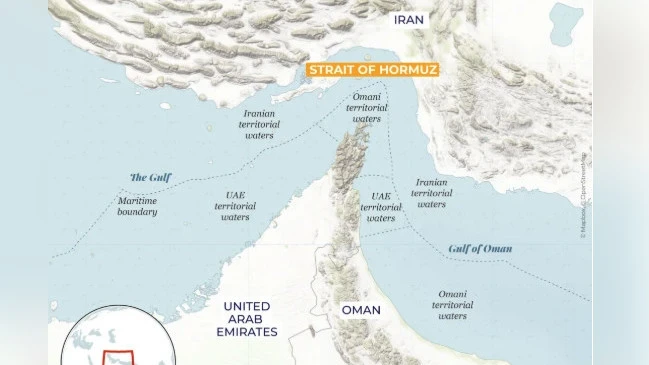
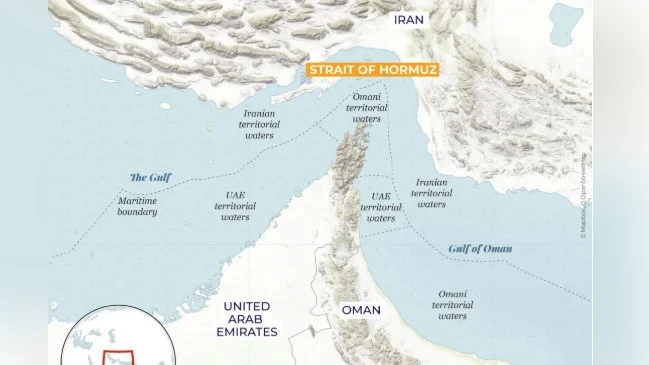
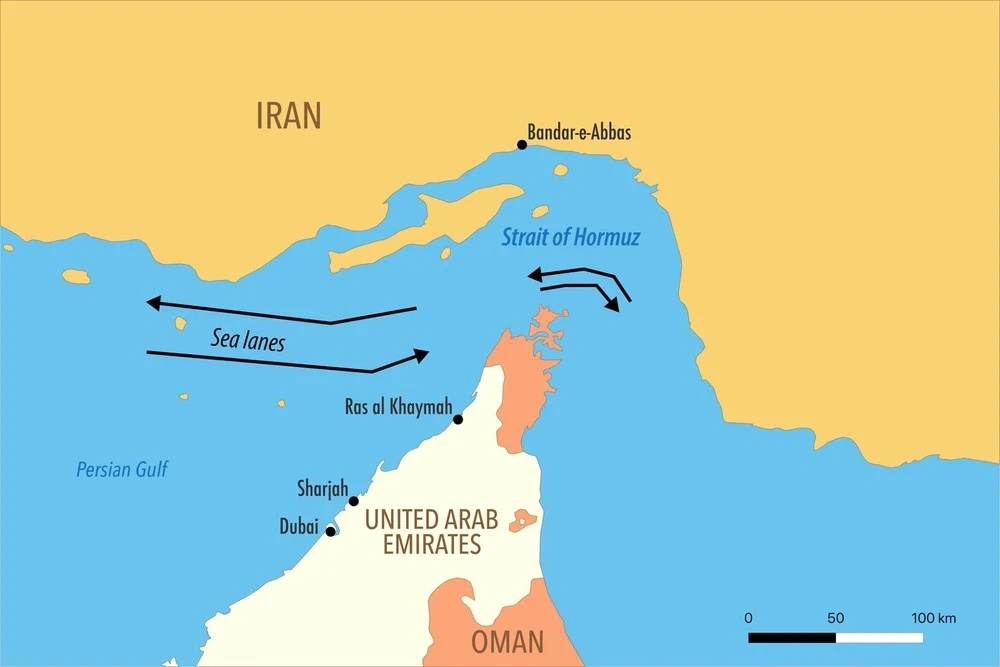
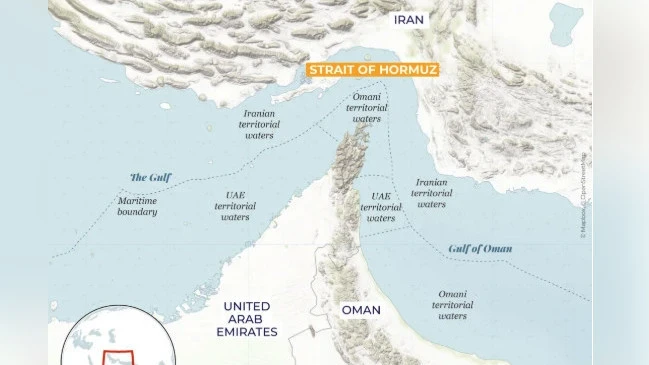
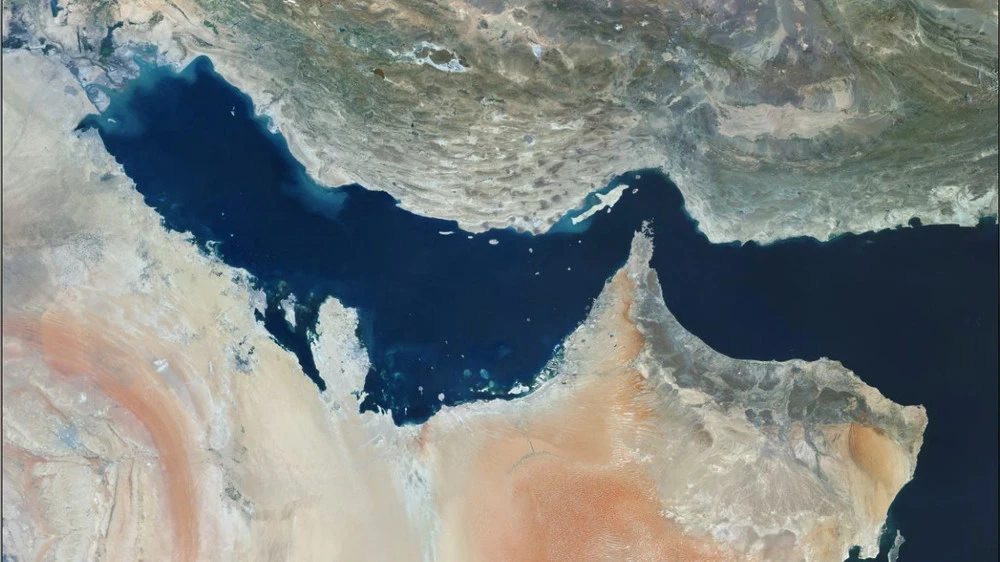
The Iranian response contained 10 points, including demands for an end to military actions in the region, safe passage through the Strait of Hormuz, as well as the lifting of sanctions and restoration.
The proposed scheme for a peaceful resolution of the conflict implied an immediate ceasefire with further negotiations for a broader agreement within 15-20 days, according to information from a source familiar with the proposals.
Trump, threatening to "unleash hell" on Tehran, stated that by 8:00 PM Eastern Time on Tuesday (06:00 April 8 in Bishkek - Note: Kaktus.media), an agreement on the opening of the Strait of Hormuz must be reached, otherwise he would reject Iran's response.
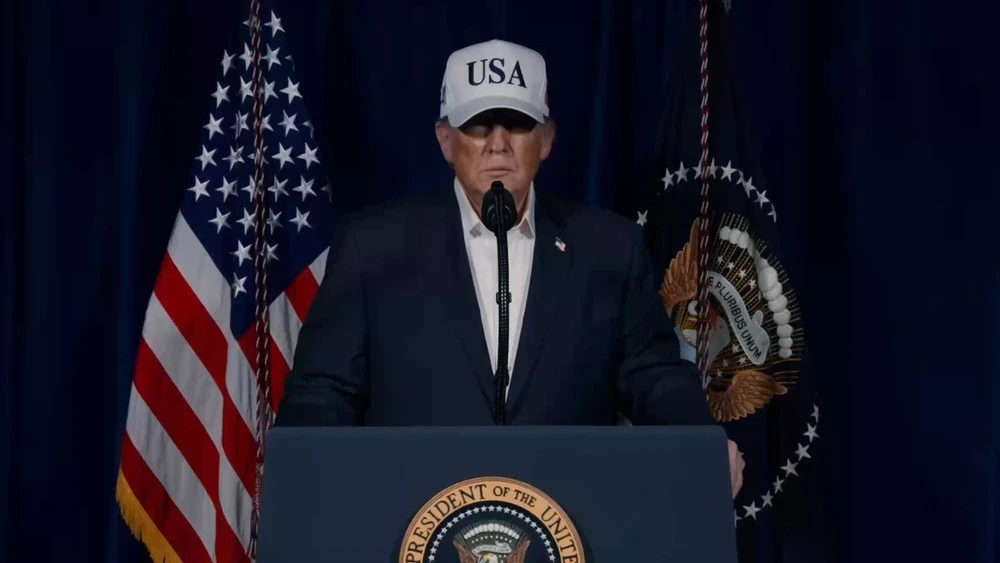
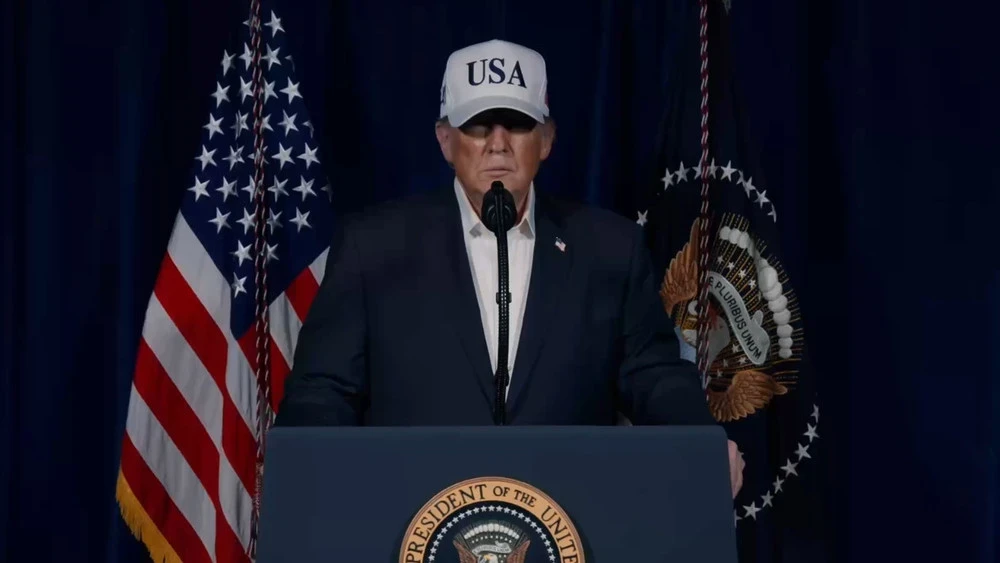
At a press conference, Trump noted that Iran could be "destroyed" in one night, adding that this night could come as soon as tomorrow. He also promised to destroy Iranian power plants and bridges, disregarding potential accusations of war crimes.
Trump stated that without an agreement, "every bridge in Iran will be destroyed" by midnight Eastern Time on Wednesday (10:00 April 8 in Bishkek - Note: Kaktus.media), and "every power plant in Iran will be destroyed".
Iran's Response
In response to Trump's threats, Iran's top military command stated that the U.S. president "lives in illusions," characterizing his warnings as "crude, arrogant rhetoric and unfounded threats," according to comments from representative Ebrahim Zolfaghari, aired on state television.Alireza Rahimi, Iran's Deputy Minister of Sports, called on artists and athletes to form "human chains" around power plants on Tuesday.
Rahimi wrote on X: "We will stand shoulder to shoulder to declare that an attack on civilian infrastructure is a war crime".
Iran's representative at the UN condemned Trump's social media post, calling it "incitement to terrorism" and "clear evidence of intent to commit war crimes".
Experts also indicated that strikes on civilian infrastructure, such as power plants and bridges, could be classified as war crimes. Trump expressed confidence that the Iranians are ready to "endure this for freedom".
Iran also promised to retaliate for the strike carried out by the U.S. and Israel on Sharif University of Technology in Tehran, where, according to WANA, facilities related to artificial intelligence were damaged.
Iranian Foreign Minister Abbas Araghchi stated on X: "The aggressors will see our power," while the Minister of Science accused the U.S. and Israel of strikes on approximately 30 universities during the conflict.
Evacuation of the Pilot
At the same press conference, Trump and U.S. Secretary of Defense Pete Hegseth discussed a successful operation to evacuate an American pilot from Iran, whose plane was shot down on Friday.The operation took place amid growing concerns about the impact of nearly six weeks of war on the global economy, including a sharp rise in fuel prices. The conflict has also negatively affected Trump's approval ratings and raised concerns among Republicans ahead of the midterm elections in November.
On Monday, airstrikes occurred again in the region, and according to Hegseth, that day became the most intense since the beginning of the conflict, with even more strikes expected on Tuesday.
Israeli military reported that they had completed a wave of airstrikes on Iranian government facilities in Tehran and other regions of the country.
The Iranian Red Crescent reported that a residential area in Tehran was hit, and rescue teams continue to search for survivors among the rubble.
Israeli Defense Minister Israel Katz promised to destroy Iranian infrastructure and "pursue its leaders one by one," while Israeli Prime Minister Benjamin Netanyahu noted that the strike on a petrochemical facility in southern Iran is part of dismantling the "financial machine" of the Islamic Revolutionary Guard Corps.
Missile Attacks

A man carries a child's bicycle after a missile attack from Iran in Israel. Photo Reuters / Nir Elias.
The Iranian attack on a vessel linked to Israel and ongoing strikes on neighboring countries demonstrated the country's retaliatory capabilities, despite Trump's statements about destroying Iranian missile and drone capabilities.
On Monday, Israel was subjected to massive missile attacks, with sirens sounding and interceptions booming across the country.
On Tuesday morning, the Israeli military confirmed missile launches from Iran toward Israel, stating that "air defense systems are working to intercept the threat".
The UAE, Saudi Arabia, and Bahrain simultaneously issued warnings to citizens: the UAE reported air defense actions against missile threats, Saudi Arabia activated early warning sirens in the Eastern Province, and Bahrain urged the population to seek shelter.
According to the human rights organization HRANA, thousands of people have died in the Middle East conflict, including 3,546 in Iran and nearly 1,500 in Lebanon.