U.S. President Donald Trump stated that American military forces "have not even begun to destroy the remaining targets in Iran."
In his recent message on the Truth platform, Trump praised the U.S. armed forces, calling them "the greatest and strongest in the world," and added that they should target "bridges, and then power plants."
This statement followed an airstrike on a bridge under construction in Karaj, located west of Tehran, which resulted in the deaths of eight people and injuries to about a hundred.
"The new regime leadership understands what needs to be done, and it needs to be done quickly," Trump noted.
Here is the full content of his message:
“Our military, the most powerful and strong (by a wide margin!) in the world, has not even started to destroy what is left in Iran. First, bridges, then power plants! The new regime leadership knows what to do, and do it FAST! President Donald Trump”
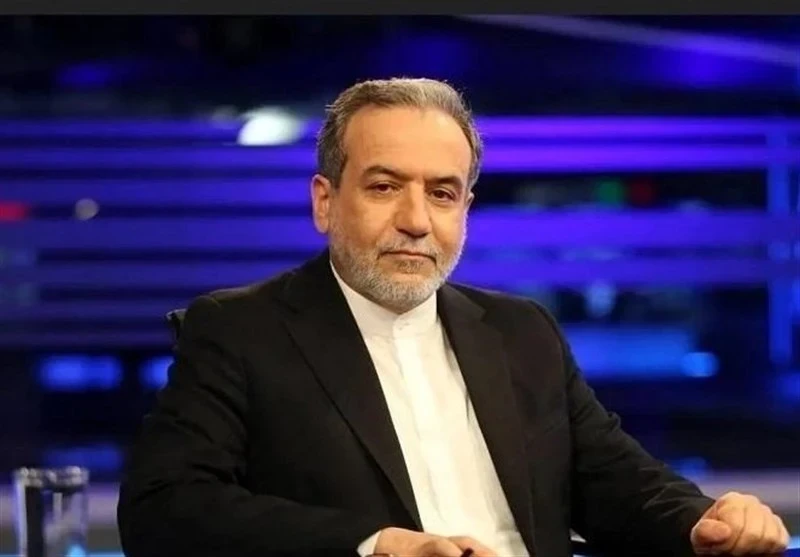
The Iranian Foreign Minister stated that "strikes on civilian targets" will not make Iranians surrender.
Abbas Araghchi, Iran's Foreign Minister, expressed in his X account that "strikes on civilian targets, including unfinished bridges, will not lead to the capitulation of Iranians."
According to him, the attack on the bridge in Karaj "testifies to the defeat and moral collapse of the enemy, which is in chaos," adding that "it only undermines America's reputation."
In another post on X, Araghchi commented on Trump's statement about returning Iran to the "Stone Age," pointing out that in those times "neither oil nor gas was produced in the Middle East."
"Are the U.S. president and his supporters sure they want to go back to the past?" Araghchi asked.
Brief overview of events:
- On Thursday, as a result of a U.S. strike on a bridge in Iran connecting Karaj and Tehran, eight people were killed; another strike caused powerful explosions at a missile base in Isfahan.
- President Trump warned Iran of the need to "make a deal" while "there is still something left," while Araghchi stated that "strikes on civilian targets" "will not make Iranians surrender."
- Amid these events, oil prices continued to rise, increasing by 11% in the U.S. due to concerns about potential supply disruptions.
- After a phone call involving 40 countries organized by British Foreign Secretary Yvette Cooper, the EU may increase its naval forces to protect shipping routes in the Strait of Hormuz.
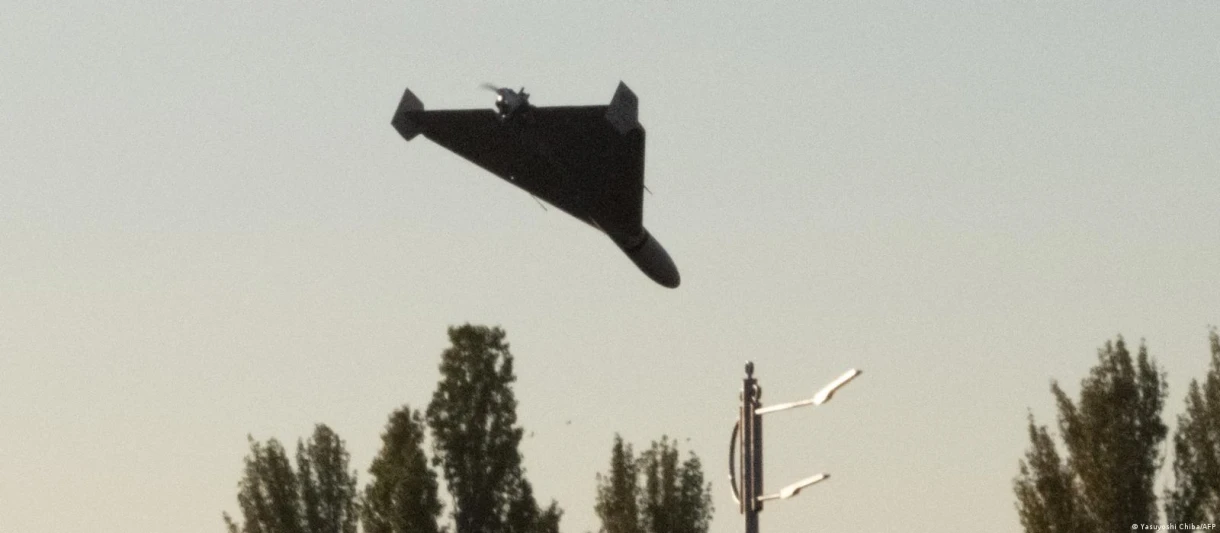
- New attacks from Iran and Yemen on Israel have been reported, while Qatar and Kuwait intercepted drones, and Saudi Arabia and the UAE reported missiles and drones heading into their airspace. Iran also attacked Tehran and Karaj.
- Iran reported an attack on the data centers of American companies Oracle in Dubai and Amazon in Bahrain.
- The scale of Iran's response to U.S. and Israeli bombings surprised American officials, including Defense Secretary Pete Hegseth. He expected the Iranians to respond, but when the attack began across almost the entire region, he felt that "we are really drawn into this." Previously, he claimed that strikes on Iran would not lead to a major war, relying on the experience of past conflicts.
Trump canceled the operation against Iran due to concerns about leaks.
On February 27, Trump arrived at his estate in Mar-a-Lago, where his aides gathered in the operations center. He was outraged by the number of attendees, among whom were people he did not know well.
At one point, the president unexpectedly announced the cancellation of the operation, which, according to a source, was merely a maneuver since the decision had already been made. After the room emptied, he gathered a small circle of trusted individuals he wanted to be with at the moment the operation began.
Iran claims to have shot down a second F-35 fighter jet.
According to information from Fars News Agency, linked to the IRGC, the Aviation Accident Investigation Commission (IGRC) claims to have shot down a second American F-35 fighter jet as it flew over central Iran.
The report states that the fighter jet was "completely destroyed and crashed," and there is no information about the pilot due to severe damage to the aircraft.
The Iranian agency Mehr reports that the pilot likely did not manage to eject due to a "powerful explosion" upon crashing.
The U.S. Central Command has not yet commented on these reports, but previously denied the IRGC's claim about the downed American fighter jet.
Iran and Oman are negotiating joint management of the Strait of Hormuz.
The state news agency IRNA reported that discussions are aimed at developing a "protocol" for this important waterway, which is key to the global economy.
Iran and Oman are on opposite sides of the strait, through which one-fifth of the world's oil and gas supplies pass in peacetime. However, with the onset of the conflict between the U.S. and Israel against Iran on February 28, Iran effectively blocked the passage of most vessels, except those with agreements with Tehran.
Information about the Iran-Oman protocol is still limited, and it is unclear whether it will be acceptable to other countries both in the region and beyond.
Other Gulf states insist on being included in any development plan for the Strait of Hormuz, on which their energy exports depend.
The record of Trump threatening to strike Iranian bridges and power plants. What else is happening? first appeared on K-News.