As part of this study, described in the Journal of Field Archaeology, scientists sought to determine whether large-scale animal slaughters and feasts took place near the khirgisüurs, which could indicate the location of cut horse bone remains.
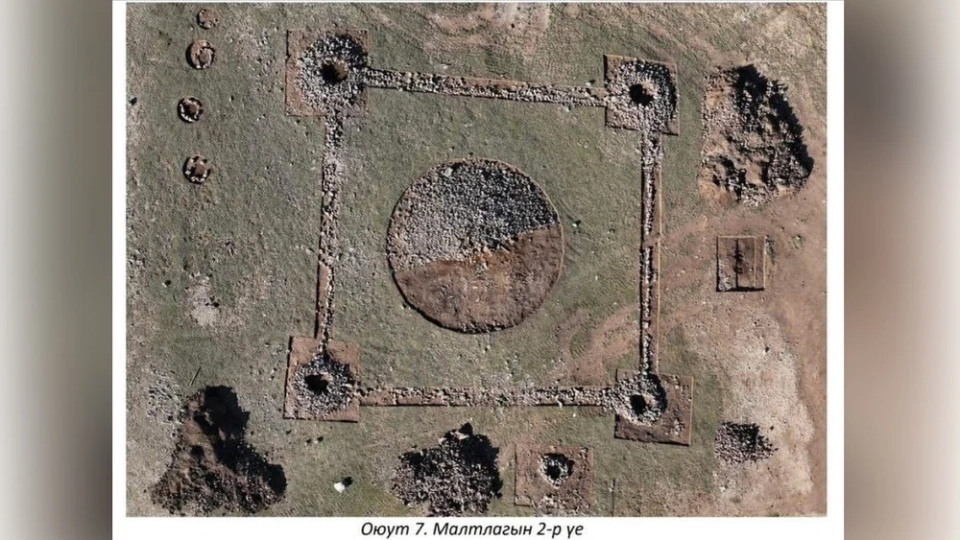
Khirgisüurs are burial mounds with diameters ranging from 5 to 10 meters, at the center of which are burial chambers, often containing the remains of a single individual, although some may be empty.
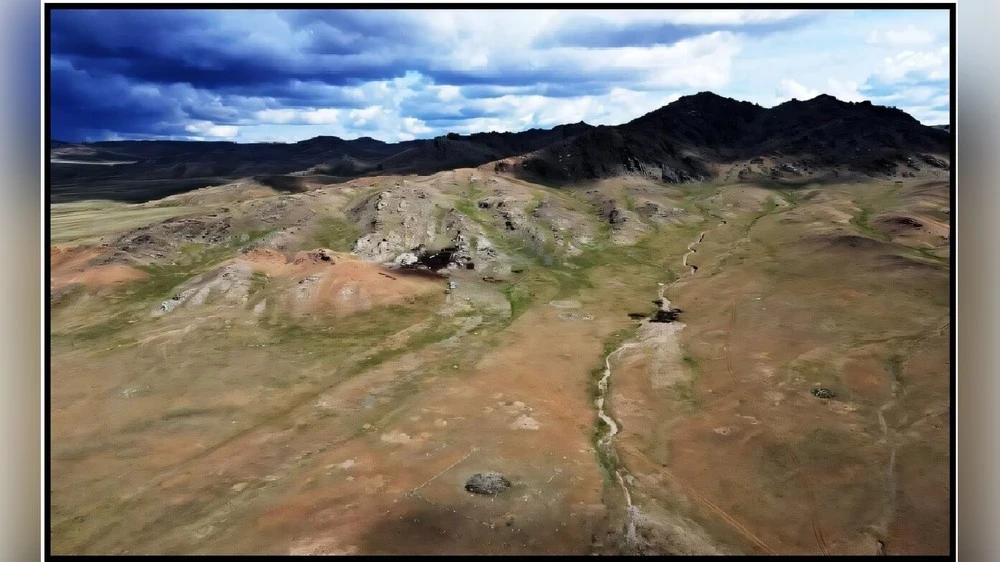
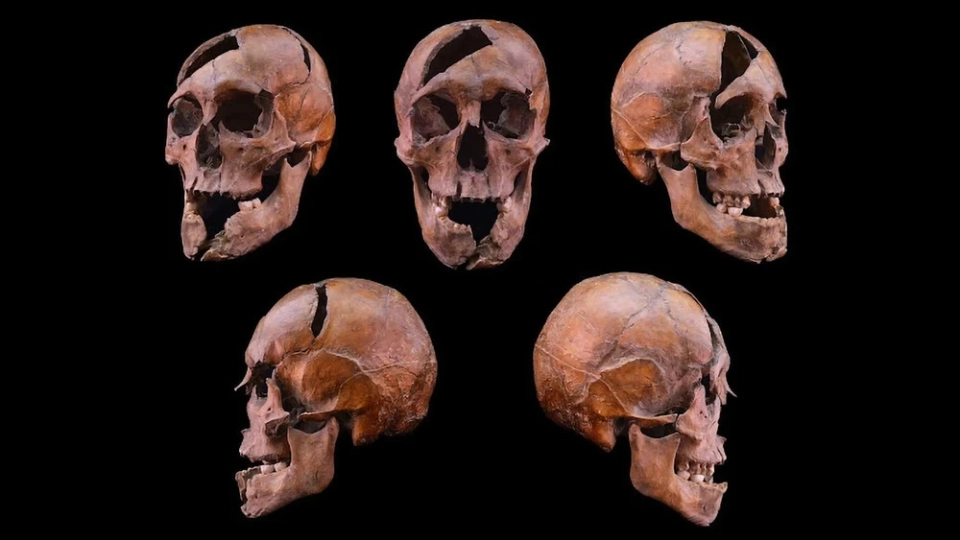
The khirgisüurs located in Mongolia and those found in southern Siberia often contain human remains and are surrounded by horse skulls. They may also include cervical vertebrae, hooves, as well as charred bones of sheep and goats.
Researchers led by Howl attempted to find horse remains and signs of carcass processing at the khirgisür ZK-956, which dates back to 1054-906 BC. A well-preserved winter settlement was found in close proximity to the mound.
The second mound, ZK-2022-118, was surrounded by numerous deposits and dates back to 933-822 BC.
Soil samples were collected from both sites; however, no animal remains were found. Chemical analysis showed that the soil composition was within normal limits.

No horse bones were found in the settlement near ZK-956 either. If mass slaughters had indeed occurred there, researchers would have expected to find bones and an increase in phosphate levels in the soil. The team plans to continue searching for locations where horses might have been processed.
“We are considering the possibility of studying the slopes of hills away from settlements, as well as terraces and areas near seasonal water sources, where animal slaughter might have been more practical,” noted Howl.
The hypotheses are also based on historical and ethnographic data describing the slaughter of large animals, such as horses, in areas distant from sacred sites and dwellings.
“Many archaeologists, including myself, believe that animal skulls represent whole beings that served as guides for the souls of the deceased to the afterlife, symbolically directing them toward the rising sun. Most horse skulls are oriented east/southeast — toward the rising sun during the winter months when horses were slaughtered and buried.”
These historical and ethnographic facts help to understand why no evidence of livestock slaughter or feasting was found near the khirgisüurs, as such sacred sites were not considered suitable for such actions. The meat, as well as the remaining bones, were likely used elsewhere, while unnecessary remains were discarded or burned outside the archaeological complex.
“In future studies, we will focus on examining the landscapes surrounding Bronze Age and early Iron Age monuments to understand how everyday pastoral activities interacted with these ritual sites,” added Dr. Howl.
“As for possible carcass processing sites outside archaeological monuments, we continue to explore the slopes of hills away from settlements, as well as terraces and areas near seasonal water sources, where this could have been more feasible.”
On a broader scale, future research will emphasize landscape archaeology with the integration of GIS modeling, spatial analysis, and biomolecular methods to reconstruct the processes of horse sacrifices. This will help establish how various stages (slaughter, processing, burial) were organized both spatially and symbolically within the ritual system of khirgisüurs.
“We will also continue to collaborate with local Mongolian herders to learn more about their everyday and ritual practices, aiming for a broader community-oriented approach in our research,” concluded Dr. Howl.