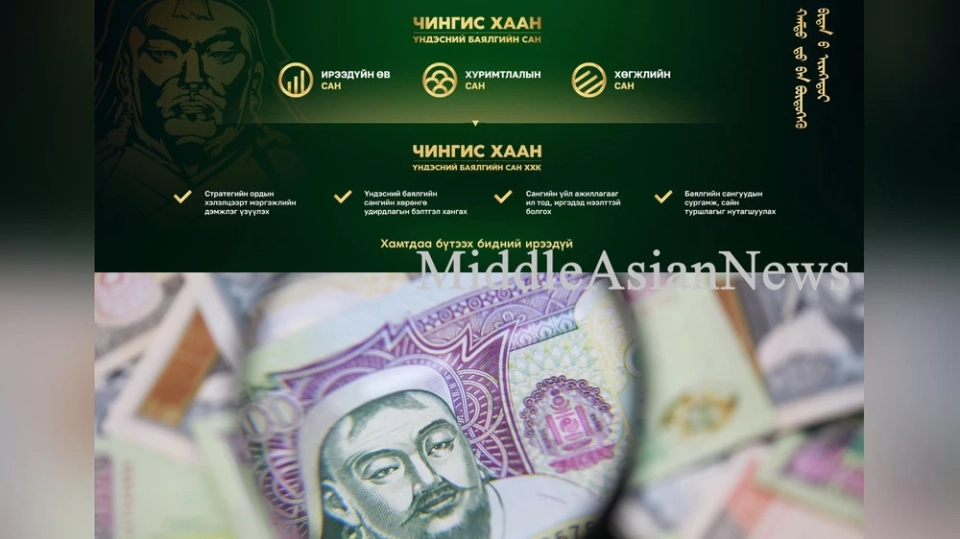
Consultations will begin in Mongolia regarding the optimal distribution of the National Wealth Fund (NWF) resources with the participation of citizens
The country will launch the first stage of a public survey titled “Mongolians – Managers of Their Wealth.”
This survey, organized by the Government of Mongolia, will start on March 27, 2026, and will cover the entire country.
The participants of the survey will include 1,570 citizens, among whom 740 will be from the capital and 830 from rural areas. The research methodology has been developed by the National Statistical Office in accordance with international standards.
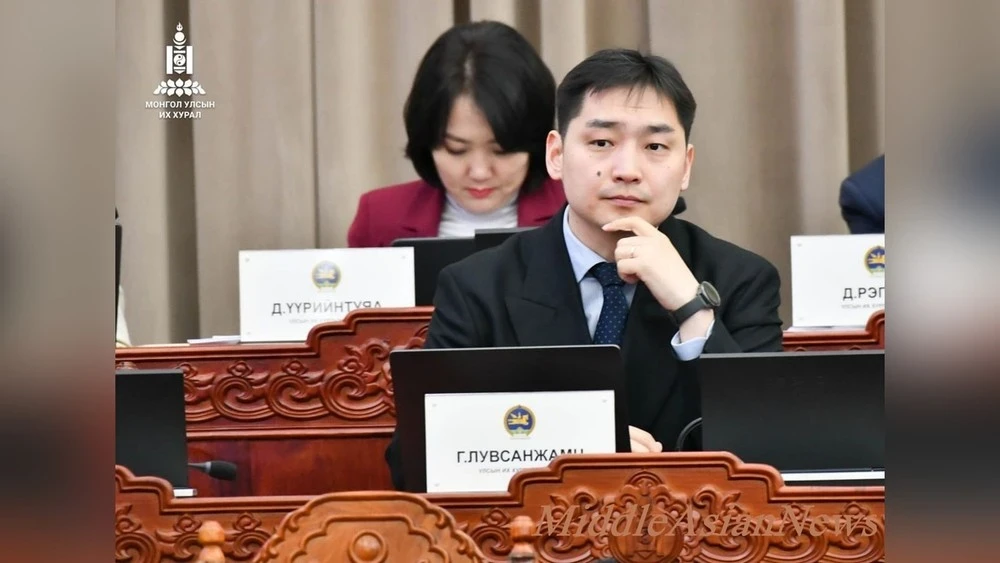
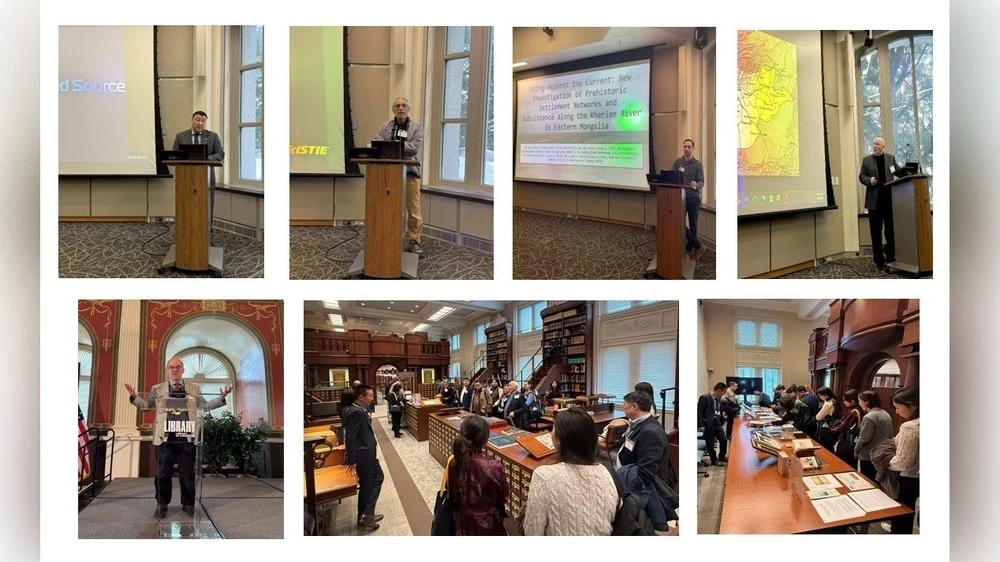
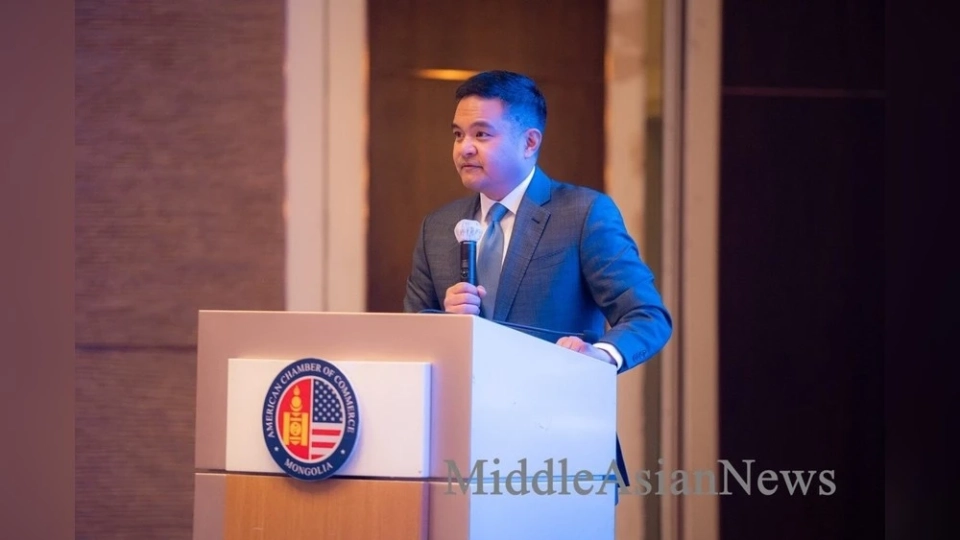
On March 17, a conference titled “Current State of Wealth Funds and Emerging Issues” was held, gathering scholars, researchers, and representatives of the authorities as part of the preparatory phase. On March 26, a discussion will take place with participants from the mining sector, and on March 27, another discussion is planned with representatives from banks and financial institutions, as well as young researchers. The main goal of these events is to exchange views on the current state of the NWF, existing problems, and possible solutions.
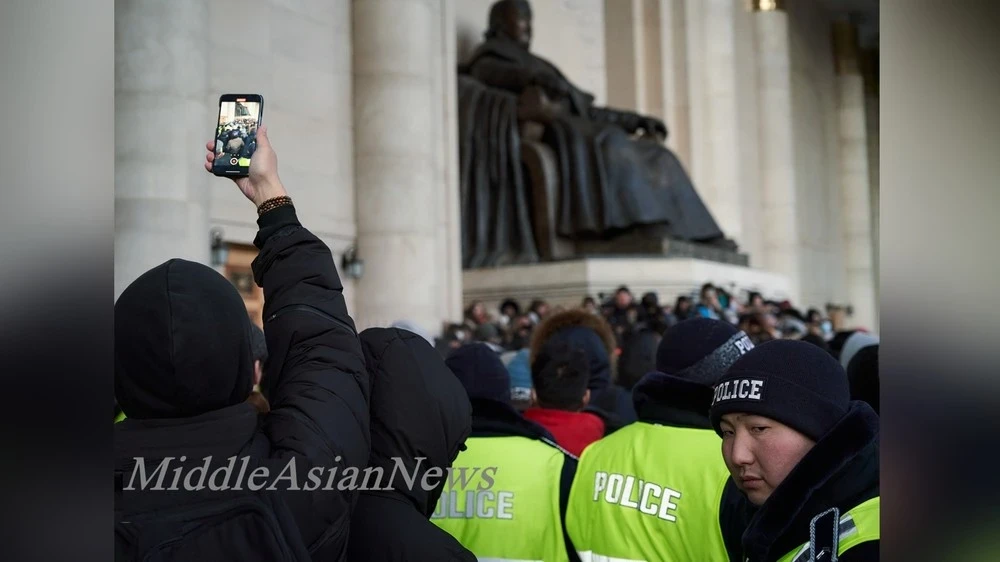
The first stage of the survey will last until April 3, and the second stage will take place on April 11-12 at the State Palace in Ulaanbaatar.
According to Government Resolution No. 48 of 2026, this survey was initiated to create a public consensus on the distribution of income from natural resources in the NWF and to ensure a fair distribution of these funds between current and future generations. A Working Office of the Advisory Council and subgroups has been established to oversee the process.
The public discussions will address a number of political questions, such as: how to balance current expenditures with long-term savings, how to ensure fair distribution of benefits, and how to create governance systems that are transparent and accountable.
The advisory survey differs from traditional ones in that it provides citizens with the opportunity to receive balanced information and discuss policy options before expressing their opinions. Officials emphasize that this process is important for considering citizens' views at the political level, given that Mongolia's natural resources belong to its people, and their benefits should be accessible to future generations.
Important political questions regarding the NWF include:
- How to balance current needs with long-term savings;
- How to determine fair mechanisms for distributing benefits;
- How to create governance systems that ensure transparency and accountability.
In this light, the nationwide advisory survey takes on special significance, providing citizens with a platform to discuss and express their views on how to manage Mongolia's natural wealth.
Mongolia's previous experience with conducting such surveys has shown that citizens are interested in complex political issues when provided with accurate information and a structured environment. The upcoming survey is expected to strengthen democratic legitimacy and foster a national consensus on important economic issues.
The decisions made by citizens next month could significantly influence how Mongolia manages its natural wealth in the future.
Citizen participation in decision-making regarding their lives is of immense importance. The method of advisory surveys transfers the decision-making process into the hands of citizens, allowing them to express their opinions at the political level. This creates a foundation for people to become real owners of their wealth and to receive fair benefits from natural resources, ensuring a better life for future generations.
International experience highlights the need for effective management of natural resources. The International Monetary Fund notes that transparency and proper governance play a crucial role in the fair and sustainable distribution of income from natural resources. The World Bank emphasizes the importance of accountability and oversight in the effective management of sovereign wealth funds. Research shows that a lack of transparency in extractive industries can lead to corruption and mismanagement, while data from the OECD and other organizations underscores that citizen participation enhances policy quality and strengthens trust in government.
Previous surveys in Mongolia have demonstrated that when provided with the necessary information and organizational structure, citizens can actively engage in the process. Advisory surveys serve not only as a collection of opinions but also as an important mechanism for strengthening the legitimacy of democracy and forming consensus at the national level.
What is the purpose of conducting an advisory survey?
Nationwide advisory surveys were conducted in Mongolia in 2017 and 2023. Now the government intends to consult with citizens regarding increasing the NWF income and the fair distribution of natural resources.
Researchers consider the advisory survey as an implementation of deliberative democracy—a form of democracy where discussion plays a key role in the decision-making process. This methodology allows randomly selected citizens to express their position after receiving balanced information, asking questions to experts, and discussing among themselves. It includes not only voting but also participation in an informed decision-making process.
The National Wealth Fund should serve as the foundation for a system of distribution, accumulation, and expenditure of income from natural resources, operating on the principle that wealth belongs to the people and should consider the interests of both current and future generations.