According to the UN News Service, Kosmas Zavazava, Director of the Telecommunication Development Bureau of the International Telecommunication Union (ITU), one of the agencies that prepared the joint statement, highlighted numerous threats faced by children. These include issues such as grooming, deepfakes, the embedding of harmful features in digital services, cyberbullying, and access to unacceptable content.
“The COVID-19 pandemic has shown that many children, especially girls, have become victims of online violence, which in some cases has led to physical injuries,” he noted.
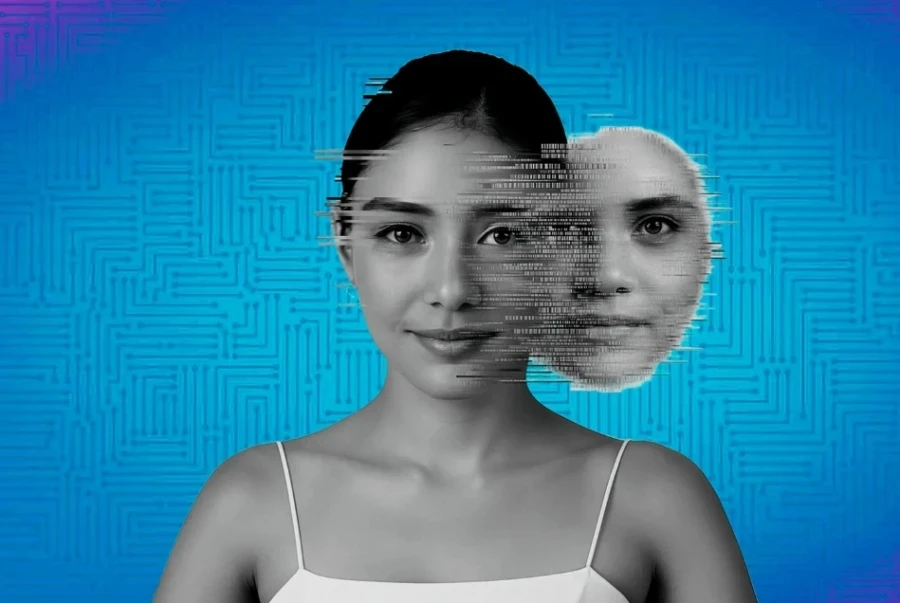
Organizations dedicated to child protection warn that malefactors can use AI to analyze a child's online behavior, emotional state, and interests, which facilitates the manipulation process. Additionally, AI allows for the creation of fake images of real children, leading to new forms of sexualized extortion.
Lack of Educational Resources on AI
In early 2026, several UN bodies focused on child protection signed a Joint Statement on Children's Rights and Artificial Intelligence. This document emphasizes the serious risks that society is not yet prepared to address.The statement highlights the low level of knowledge about AI among children, parents, teachers, and caregivers, as well as the insufficient technical preparedness of government bodies in the areas of AI regulation, data protection, and assessing the impact of technologies on children's rights.
Responsibility of Technology Companies
Significant attention is given to the role of large technology companies. The statement mentions that most AI-based tools are developed without considering the interests and well-being of children. “We are deeply concerned and want the private sector to become an active participant, alongside other UN agencies and partners, who see technology as both an opportunity for development and a threat,” Zavazava noted.He expressed confidence that companies are ready to improve the safety of their products: “At first, it seemed they were afraid to limit innovation, but we made it clear: responsible use of AI can successfully drive business and maintain competitiveness.”
“The private sector is our partner, but we must raise the alarm when technologies can lead to negative consequences,” added the ITU representative.
Children's Rights in the Digital Age
This is not the first time that human rights defenders have raised concerns about such risks: in 2021, new articles addressing the challenges of the digital age were added to the Convention on the Rights of the Child. Nevertheless, according to UN agencies, countries lack practical guidance for effective regulation, and in this regard, an extensive list of recommendations has been compiled. “Children are starting to go online at increasingly younger ages, and they need to be protected,” Zavazava emphasized. “We have prepared recommendations for protecting children online, the first part of which is addressed to parents, the second to teachers, the third to regulators, and the fourth to the industry and the private sector.”Main Recommendations
- States should improve AI regulation systems to protect children's rights.
- International organizations need to consider children's rights in any AI-related strategies.
- Governments and companies must ensure transparency, accountability, and safety of AI systems.
- States should prevent and combat violence and exploitation of children that occurs or is exacerbated by AI.
- More robust data protection mechanisms focused on children are needed.
- Decisions made using AI should consider the best interests and holistic development of each child.
- AI must be inclusive and free from bias so that all children can equally benefit from technology.
- The opinions and experiences of children should be taken into account when developing AI policies and systems.
- The development of AI should support environmental sustainability and minimize long-term harm to future generations.