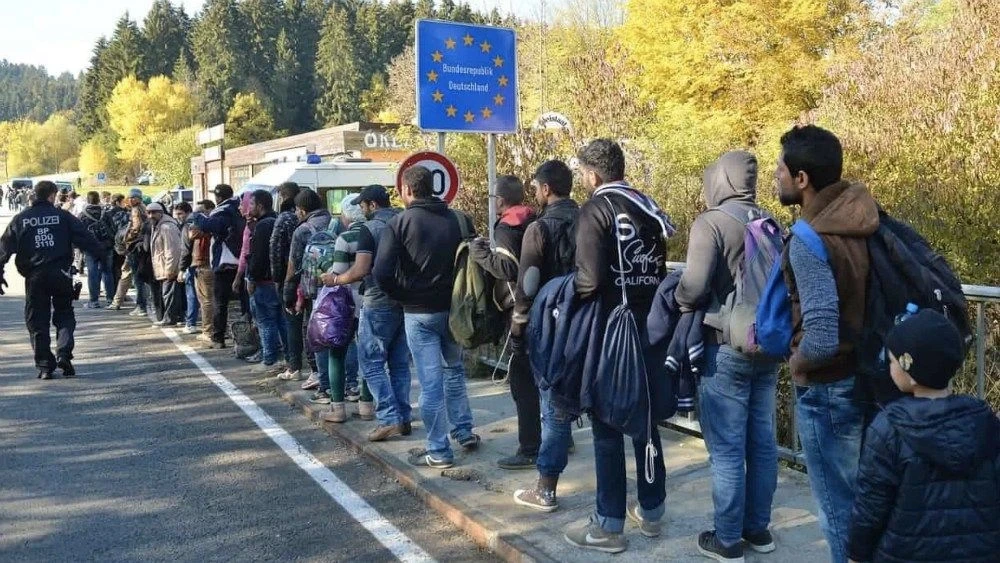
Illustrative photo
The introduction of these new rules will allow for a more effective deportation of asylum seekers to countries where they can receive the necessary assistance, even if they have no personal ties to those states. The changes will come into effect on June 12, 2026, as part of the reform of the European asylum system.
According to the new regulations, EU member states will be able to send people to third countries, even if the asylum seekers have no relatives or other connections there. Previously, a "close connection" was required for this, but now it will be sufficient to have an agreement between the EU country and the relevant state. This approach has already been tested by the United Kingdom and is referred to as the "Rwandan model".
A unified list of "safe" countries has also been compiled, which will be applied across all EU states. This list includes countries such as Morocco, Tunisia, Egypt, Kosovo, Colombia, India, and Bangladesh.
It is important to note that automatic rejection of asylum applications is not provided for: each application will continue to be checked for grounds for approval.
Additionally, candidate countries for EU membership will also be considered "safe" for their citizens. These countries include Serbia, Albania, Montenegro, and Turkey. However, exceptions may be made in the event of sanctions imposed by the EU or the outbreak of armed conflict in these countries.