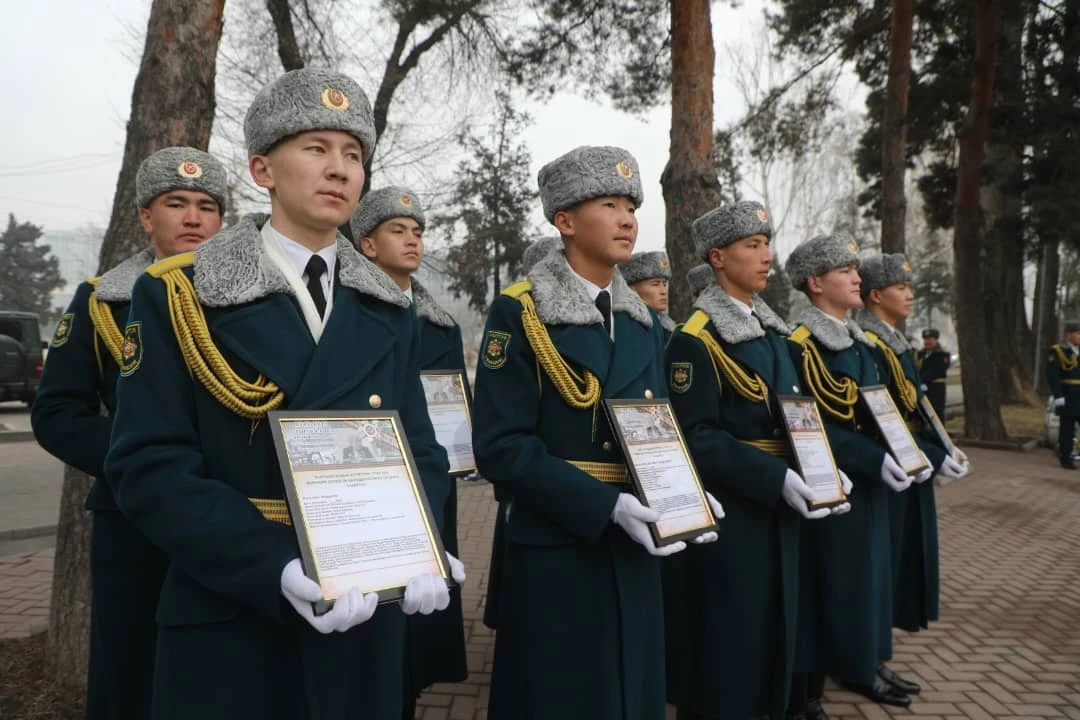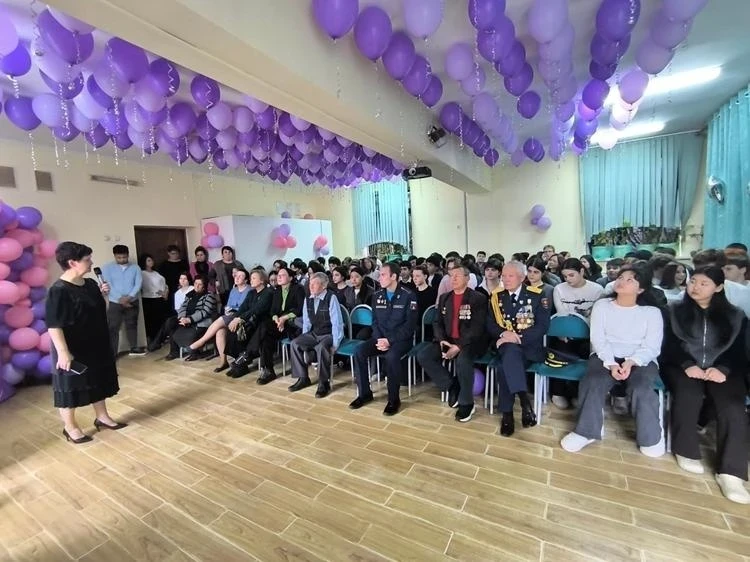
During the meeting, the deputy director of the center, Natalia Krek, emphasized significant dates that defined the course of the war: from the blockade of Leningrad to the Battle of Stalingrad and the brutal battles near Rzhev. The Battle of Rzhev, according to her, is particularly important for national memory, as tens of thousands of soldiers from the 360 thousand Kyrgyzstanis called to the front died there. With a population of just over a million in the republic, practically every fourth citizen went to war.
The organizers stressed that the history of the war is currently subject to informational manipulations. In their opinion, some external forces are trying to make the descendants of the victors ashamed of their ancestors, creating a rift between peoples. "Hitler's plan was not for the prosperity of our nations, but for the complete extermination of the population of the USSR and the capture of resources. If there had been no victory, there would be neither Kyrgyzstan nor us," noted Natalia Krek.
This viewpoint was supported by retired Colonel Erken Jumataev, who reminded that in 1941 almost all of Europe was working for the Nazis, and the main goal of the enemy was to capture Caspian oil. The resilience of Soviet soldiers shattered these plans, ensuring freedom not only for the Soviet Union but for the entire world. Veteran Vladimir Nezhinsky urged the youth to value the "gene of the victor," emphasizing that a people who forget their past lose their future.
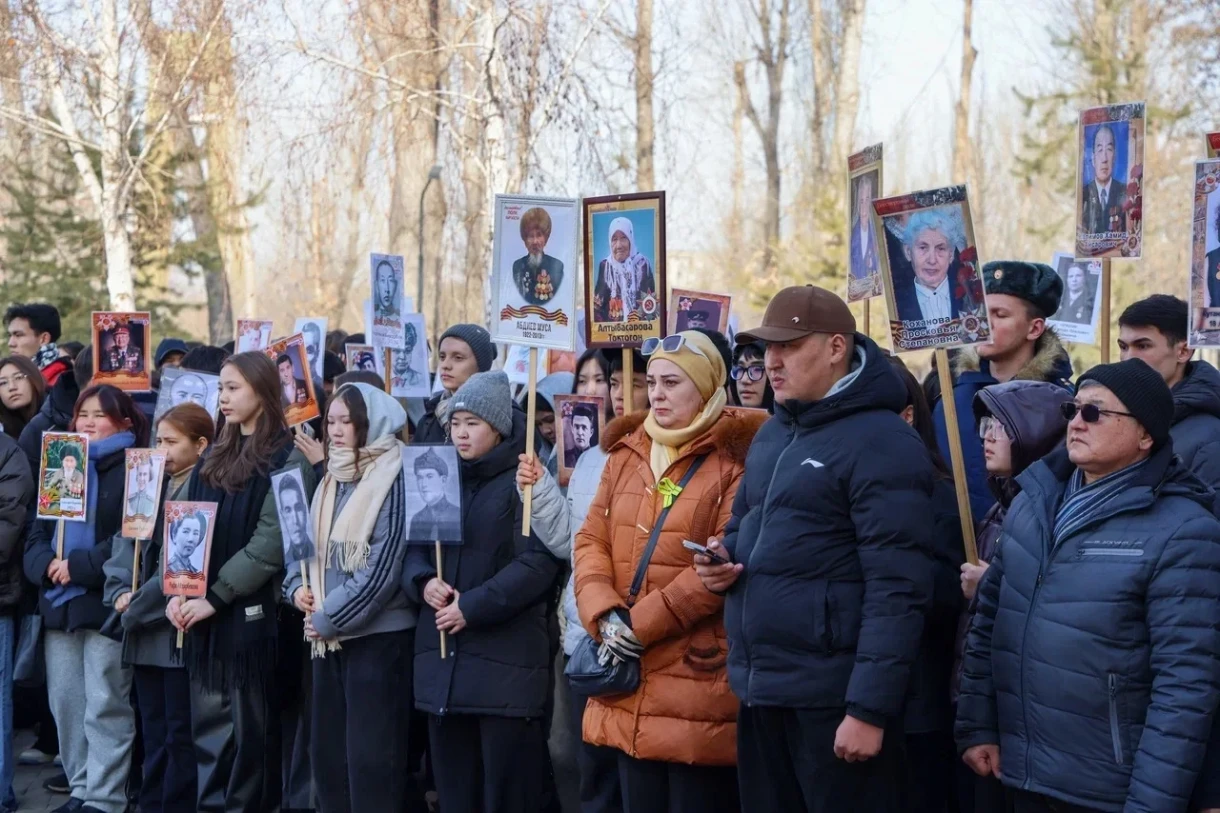
The practical part of the event was dedicated to preserving family history. The coordinator of the "Immortal Regiment of Kyrgyzstan" movement, Zulfiya Khaibullina, presented the electronic platform www.moypolk.ru and called on students to enrich the archive with information about their ancestors. The cultural program was complemented by the executive director of the "Union of Women for Traditional Values," Janil Bokonbaeva, who presented a unique collection "Kyrgyz Poets about Victory," as well as an animated film about the feat of the Panfilov Division.
The school director, Olga Voroshikhina, shared that at "Eureka," work on preserving memory is conducted systematically. By the 80th anniversary of the Great Victory, teachers and students immortalized in poems the biographies of 11 veterans who lived in the village of Birlik. At the end of the meeting, the organizers expressed hope that such lessons would help the younger generation develop immunity to historical lies and preserve a sense of national pride.