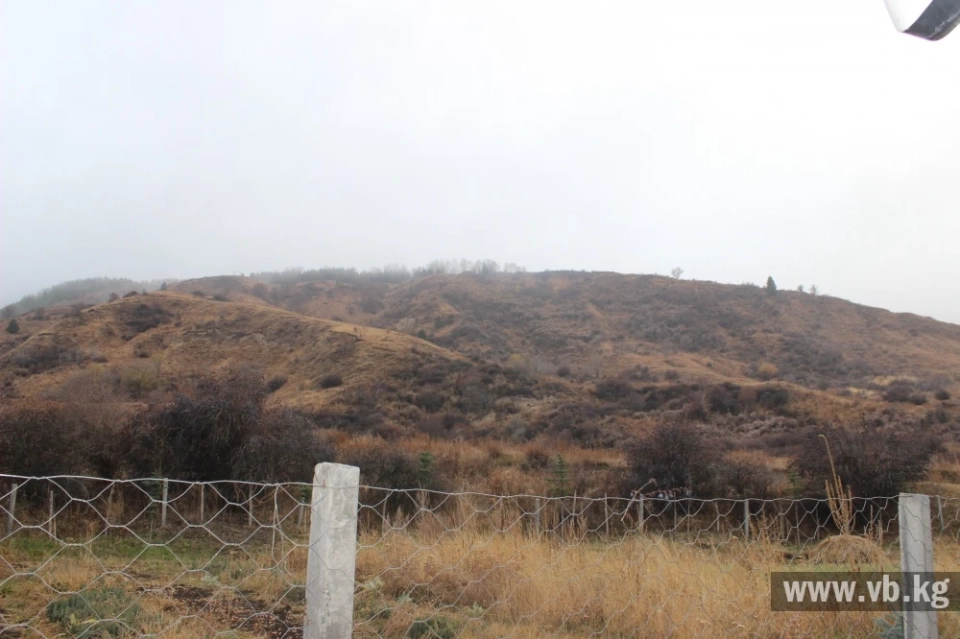
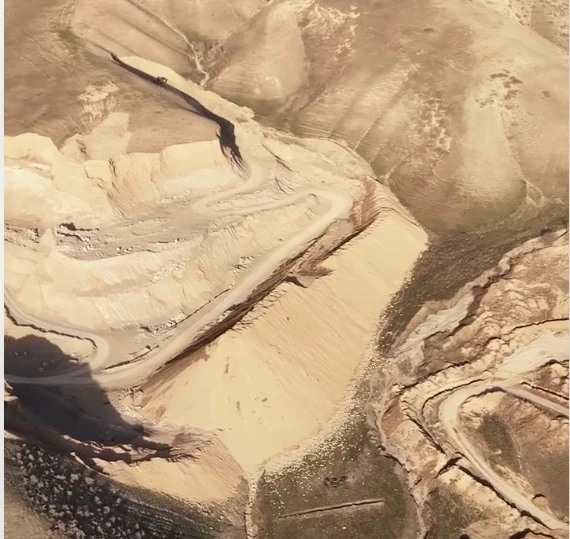
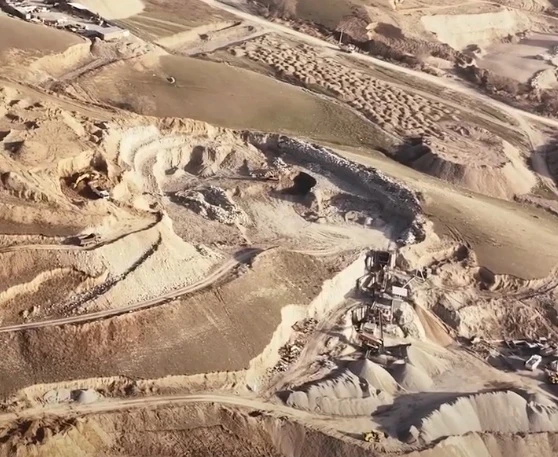
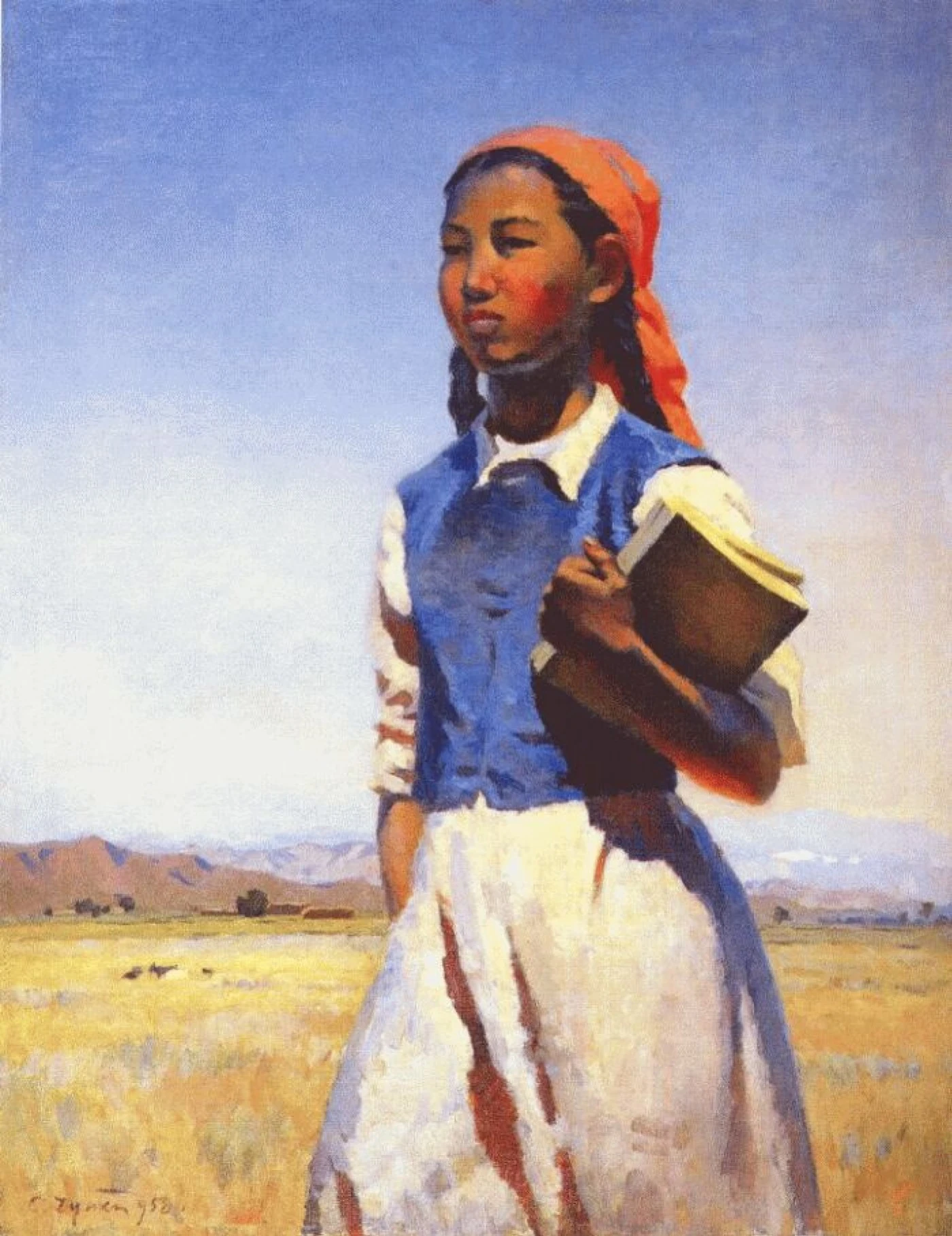
Boz Boltok is not only one of the most famous mountain ranges in the vicinity of the capital but also the place where the Soviet artist Semyon Chuykov created his famous painting "Daughter of Soviet Kyrgyzstan," which depicts the mountains that have become a symbol of Bishkek.
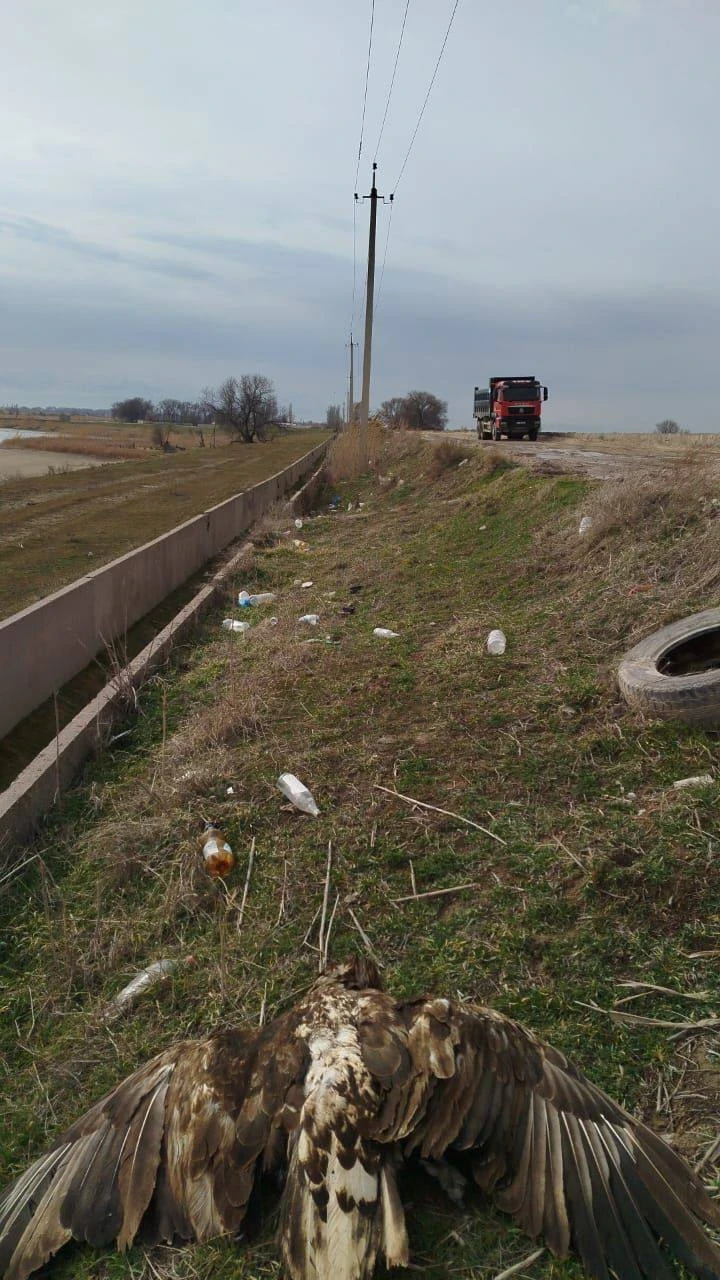
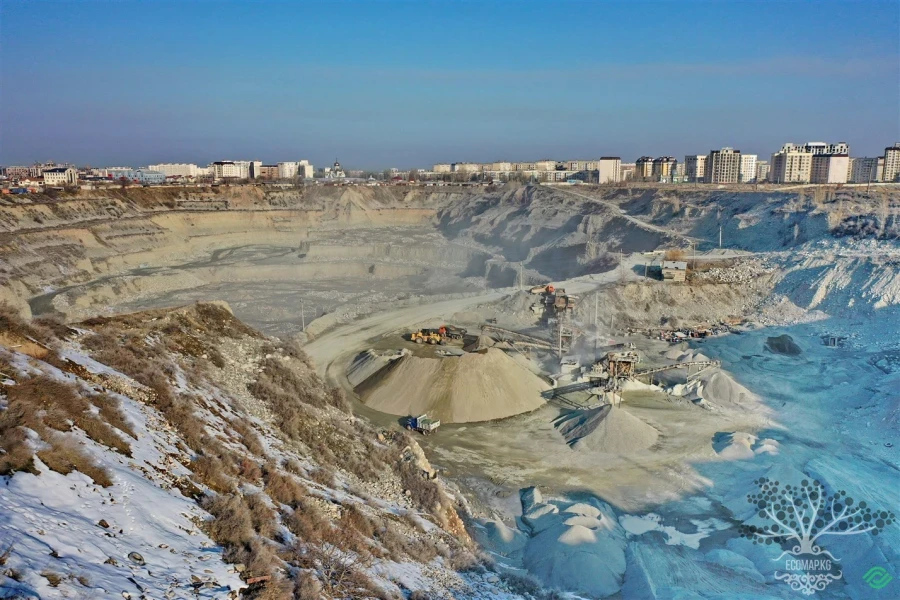
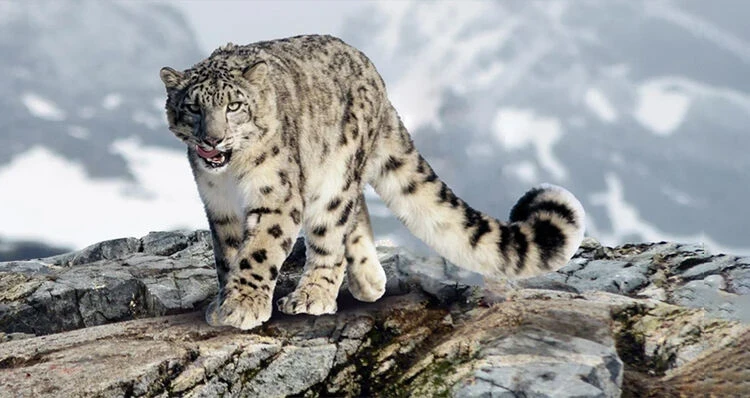
According to the ecological project ecomap.kg, there have been instances of destruction of rare plants and animals listed in the Red Book on the slopes of Boz Boltok due to the extraction of inert materials.
Previously, local residents and activists had already raised the issue of the need to protect Boz Boltok as a sacred and historically significant site. Memorial signs and flagpoles have been installed on neighboring peaks, and this place attracts both tourists and locals who view these mountains as an important element of the capital's panorama.
On April 25, 2022, a decree was signed by the president granting Mount Boz Boltok the status of an archaeological and historical reserve.
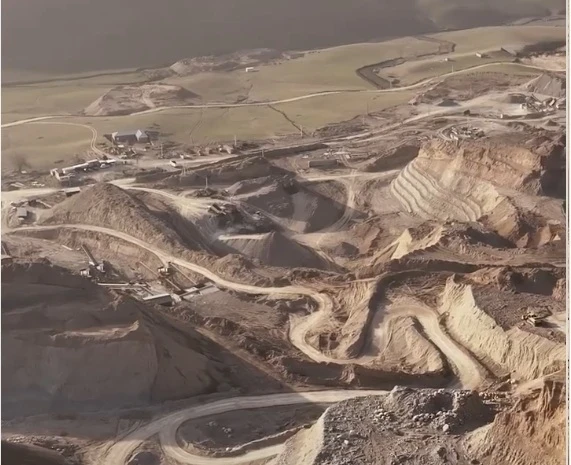
However, despite this status, dozens of subsoil users continue their activities in the area of the mountain, holding licenses for the extraction of clay and gravel.
Ecologists emphasize that the problem is not only the loss of landscape. Extraction in the suburbs of Bishkek has already led to the destruction of habitats for rare species of flora and fauna, including species protected by the Red Book, in areas adjacent to densely populated regions. Restoring such ecosystems can take decades, and in some cases, lost communities may never be returned.
The video shows that extraction activities are actively continuing: part of the slope is already presented as a stepped excavation, and signs of reclamation are not observed. Against this backdrop, residents of nearby villages and dacha communities are demanding explanations from government bodies about whether the mountain will be included in the Register of specially protected objects and whether industrial extraction will be limited.
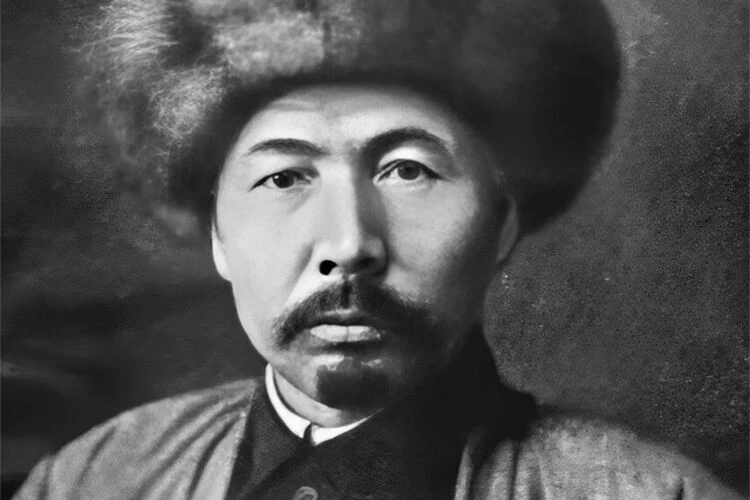
Boz Boltok plays an important role in the culture of local residents, as it is associated with the name of Baytik Batyr — a legendary hero who defended this region. On the southern slope of the mountain lies the mausoleum of Baytik Batyr, which serves as a place of memory and reverence for the locals.