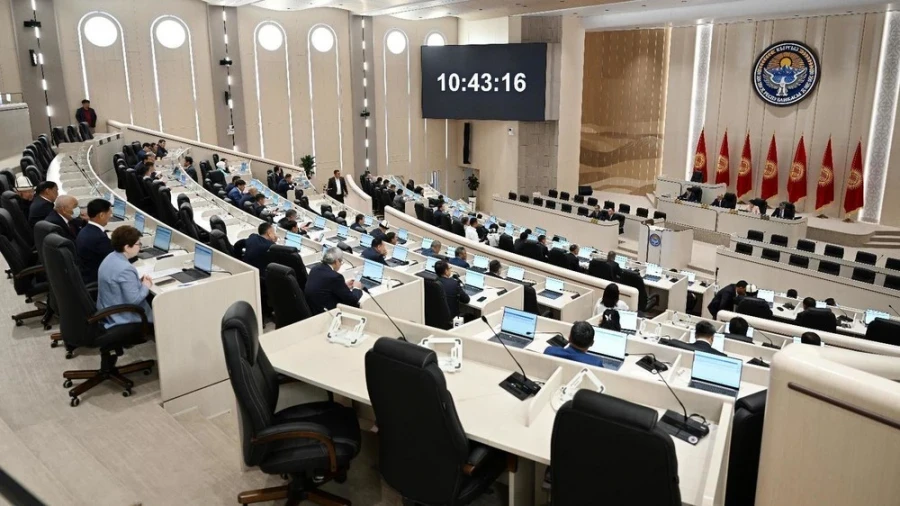
During the discussions, Talant Mamytov reminded everyone of the practice of applying recidivism that existed during Soviet times and asked how the size of the punishment for recidivists would be determined.
He clarified: "How will the measure of punishment be assessed? For example, in the case of recidivism, the term may increase by one and a half times: if the crime is punishable by five years, then taking recidivism into account, it will be 7.5 years. How will the punishment for dangerous and especially dangerous recidivism be determined?"
Erkebek Ashirkhodzhaev answered this question, indicating that the details of determining punishment are outlined in Article 70 of the proposed bill. According to the document, when assigning punishment, the number, nature, severity, and consequences of the crimes are taken into account, as well as the factors that made the previous punishment insufficient. The punishment for recidivism should not be less than half of the maximum term, for dangerous recidivism — not less than two-thirds, and for especially dangerous — not less than three-quarters of the maximum term established for the corresponding crime.
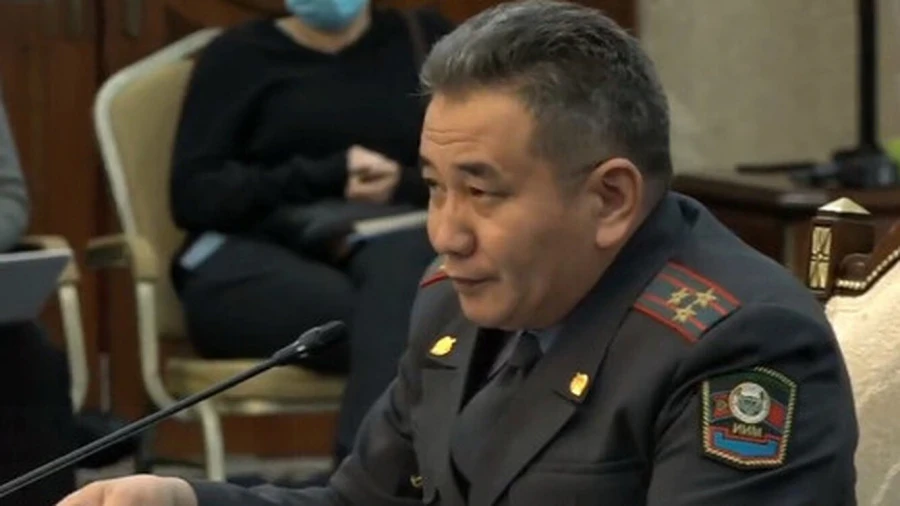
"For example, if the maximum term is 10 years, in the case of recidivism, it cannot be less than 5 years, and in the case of especially dangerous recidivism — less than 7 years and 6 months," explained the Deputy Minister of Internal Affairs.
An important aspect of the bill is the abolition of probation and amnesty for individuals who have committed recidivism. Mamytov reminded that previously recidivists were kept under special conditions and asked about the readiness of the correctional system for changes.
Nurlan Sarchayev, Deputy Chairman of the State Service for Execution of Sentences, assured that the necessary provisions are included in the legislation.
"We have isolated sections for the detention of recidivists. All conditions for their detention have been created, and they will be kept in separate cells," he reported.
Mamytov also inquired why there was a need to amend the legislation.
"Do the existing codes not allow for effective crime fighting, or is the punishment too lenient? What is the reason for the return of the concept of recidivism?" the deputy clarified.
Ashirkhodzhaev stated that the tightening of punishment is a measure aimed at preventing offenses.
"If someone has already served a sentence and commits a crime again, it means they have not reformed. This bill is designed for those who make crime their habitual activity. For example, if a person serves three years, is released, and then breaks the law again, the punishment for the next crime should be stricter — at least 5 years. We have seen cases of murders in Talas and Kemin, where those convicted of murder served 10-12 years and then committed murder again after being released. I believe that such people do not change. We must protect society from such individuals," added the Deputy Minister of Internal Affairs.