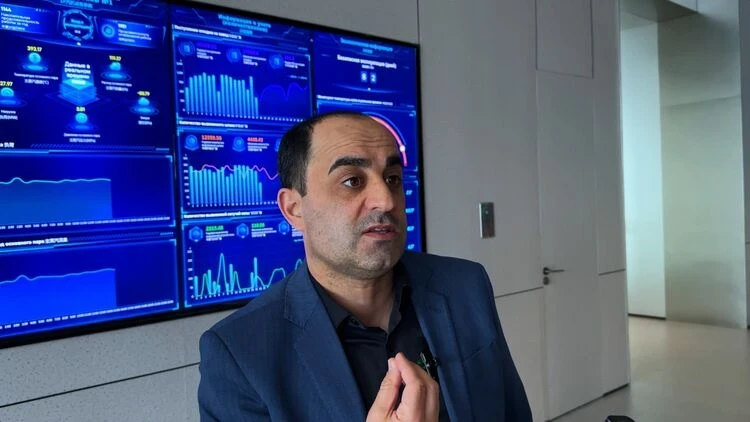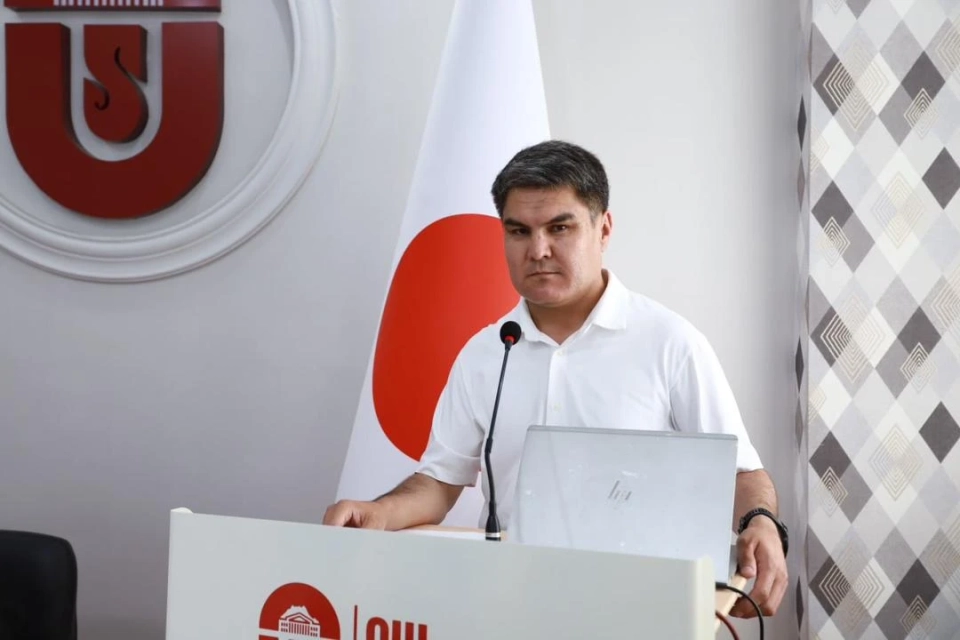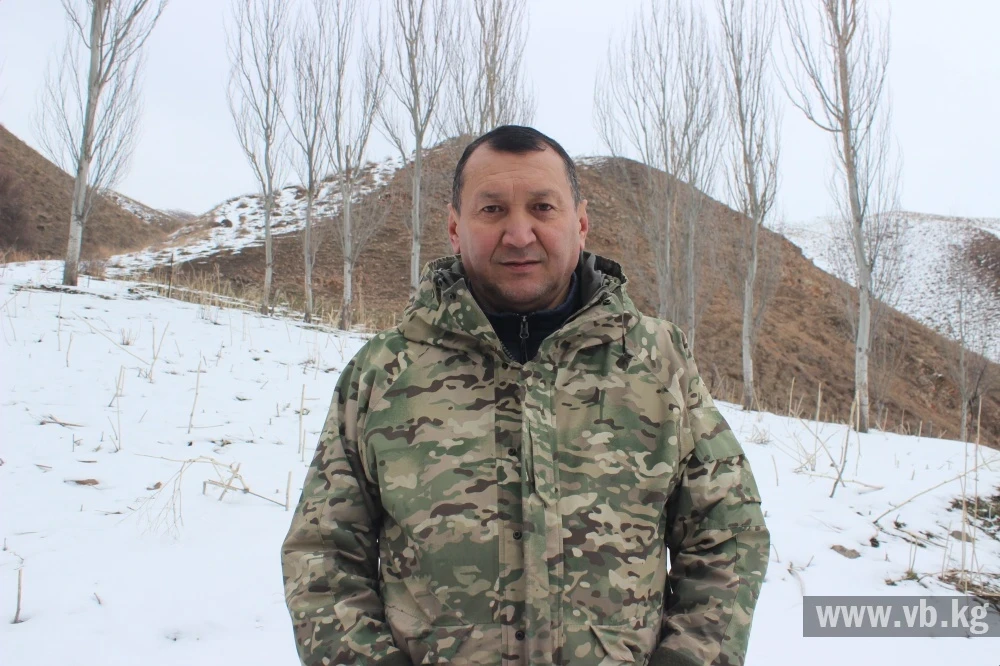
Maksat Sheripov, chairman of the board of the Union of Hunting and Fishing Societies "Kyrgyzokhotrybolovsouz," reported that these activities were organized jointly with the Chui Regional Department of the Ministry of Natural Resources, Ecology, and Technical Supervision and the National Academy of Sciences.
He noted: "According to the plan, today we are supposed to shoot 15 chukars and 15 pheasants for scientific research. This will help determine what diseases affect these birds and what measures should be taken to prevent their spread."
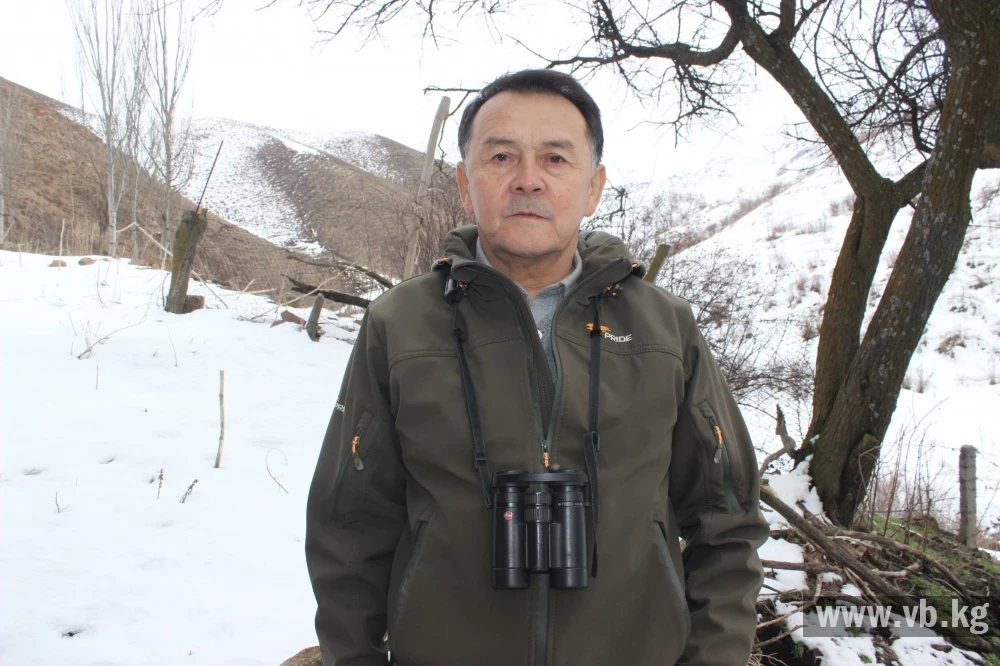
Altymysh Ibraimov, chairman of the Tokmok Interdistrict Society of Hunters and Fishermen, shared the problems faced by hunters and spoke about the work of hunting farms.
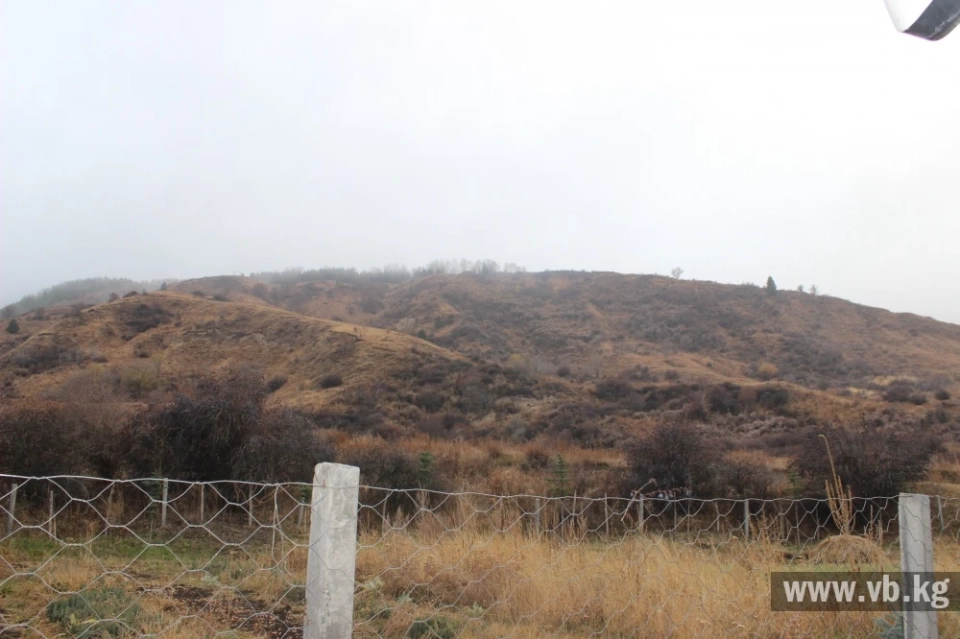
“I have been working in this field for over 34 years. We are in the hunting area in Kyzyl-Suu, where we conduct hunting tours together with gamekeepers and colleagues from Tokmok. This area is home to chukars, pheasants, Siberian ibex, roe deer, as well as many predators such as wolves and jackals,” he said.
According to Ibraimov, one of the reasons for conducting sanitary culling was the discovery of diseases among birds.
“The reason for our meeting was the emergence of information about diseases in chukars and pheasants. Together with the Chui Department of Natural Resources and the Academy of Sciences, we are organizing a sanitary culling to obtain 15 chukars and 15 pheasants for health analysis,” he explained.
He added that one possible cause of the outbreak of diseases is insufficient veterinary treatment of domestic livestock.
“In Soviet times, before driving sheep, horses, and cows to pastures, mandatory disinfection was carried out. Today, this is practically not done. Everyone has become a farmer and manages their livestock independently, which leads to the spread of diseases such as scabies and brucellosis,” he noted.
Ibraimov emphasized that this could negatively affect the health of the wild fauna.
“Today, pheasants and chukars suffer from various diseases. Individual hunters cannot cope with treatment. We engage in supplementary feeding in the spring and autumn, distributing feed such as wheat and barley, and sometimes adding medications. This has a certain effect, but it is not enough,” he added.
In his opinion, addressing this issue requires cooperation among various state and local authorities.
“We call on the Ministry of Agriculture and other agencies, as well as local governments and akimats to cooperate. If we work together, we can more quickly address the problems that have arisen,” said Ibraimov.
Predators also pose a serious challenge to wildlife.
“Wolves and jackals cause significant harm. For example, a pheasant can sit on a clutch of 15-20 eggs, but at night, a jackal destroys everything. The same applies to chukars. Therefore, regulating the population of predators is an important part of our work,” he noted.
Ibraimov also spoke about the activities of hunting organizations.
“Our organization has existed since 1949, established on the basis of the Frunze hunting farm in the post-war years. Now we face a number of problems. We are essentially secondary land users - these are farmers' lands. We cannot shoot without permission, and we are engaged in nature protection and the prevention of poaching and fires,” he explained.
According to him, hunting societies contribute significant funds to the budget.
“We do not receive money from the state; on the contrary, we pay millions of soms in various fees. At the same time, we would like the state to pay more attention to our activities and assist in securing hunting grounds,” Ibraimov added.
He also noted the importance of regulating the populations of certain predators.
“Wolves, jackals, and American minks represent a serious problem. We accept the skins of wolves and jackals from hunters, which are then destroyed by a commission to prevent re-submission. Such work helps reduce the damage they cause to wild animal populations,” Ibraimov emphasized.
In conclusion, Ibraimov expressed the readiness of hunting organizations to cooperate with government agencies and scientists.
“If we work together with akimats, local governments, ministries, and scientific institutions, we can preserve the populations of chukars, pheasants, and other animals,” concluded Altymysh Ibraimov.