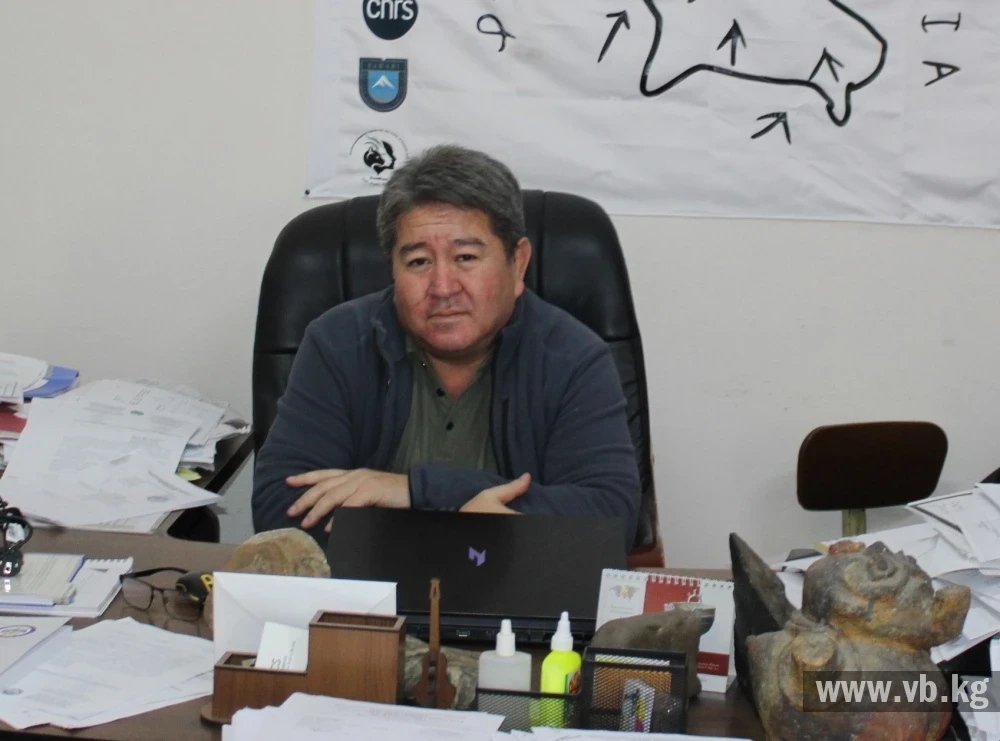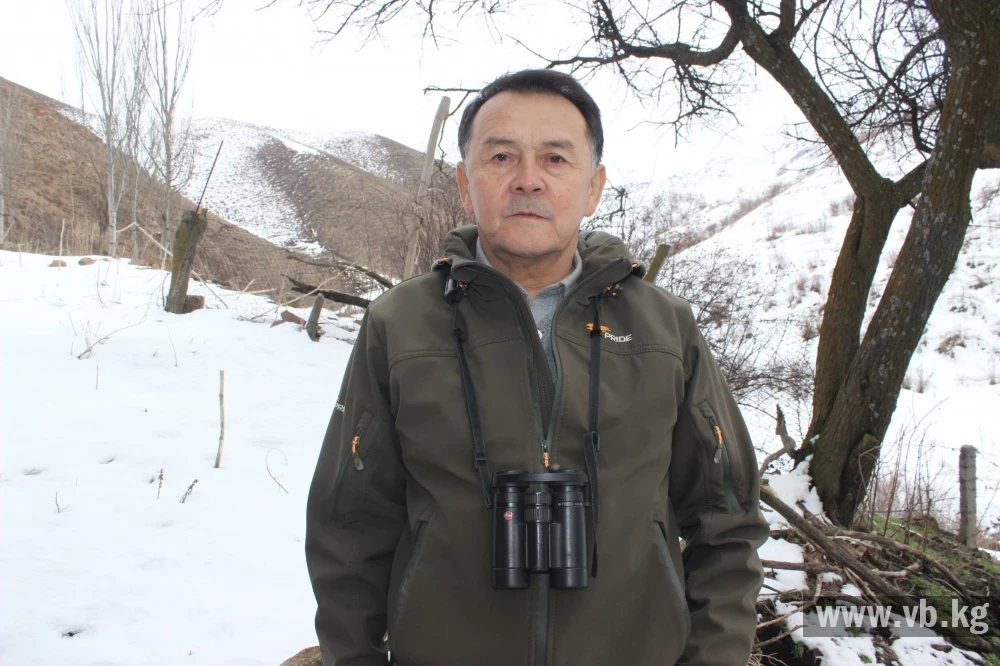
Candidate of Biological Sciences and Head of the Laboratory of Vertebrate Zoology at the Institute of Biology of the National Academy of Sciences under the President of Kyrgyzstan, Askar Davletbakov, noted that predators play an important role in the ecosystem, acting as sanitary forces that help control the health of populations by killing sick individuals and thereby preventing the spread of diseases.
These comments were made during scientific, sanitary, and biotechnical events aimed at protecting the chukar and pheasant, which took place in the picturesque Kyzyl-Suu gorge, near the village of On Bir-Zhilga in the Chui region.
The research was initiated in response to public concerns about the possible infection of chukars and pheasants with parasites. "Previously, we only had assumptions, so it was decided to conduct a practical check of the situation," he explained.
For this purpose, scientists obtained special permission to catch a certain number of birds, which will be sent to the laboratory for dissection and analysis for the presence of internal and external parasites.
After conducting laboratory studies, it will be possible to determine the types of parasites present in the birds and develop recommendations for preventing the spread of diseases.
Davletbakov also added that similar studies are conducted regularly, and the law requires hunters to monitor the health of wildlife. If necessary, scientists are involved to assist in carrying out biotechnical and veterinary-biotechnical measures.