A total of 17 people were affected, including four children.
Of these, 13 people were hospitalized and are currently receiving inpatient treatment, while the remaining four are receiving outpatient care.The initial symptoms of poisoning began to manifest in the victims at different times on January 15, after which they sought medical assistance at the Republican Clinical Infectious Diseases Hospital. All victims received the necessary care, and clinical samples were collected for laboratory analysis.
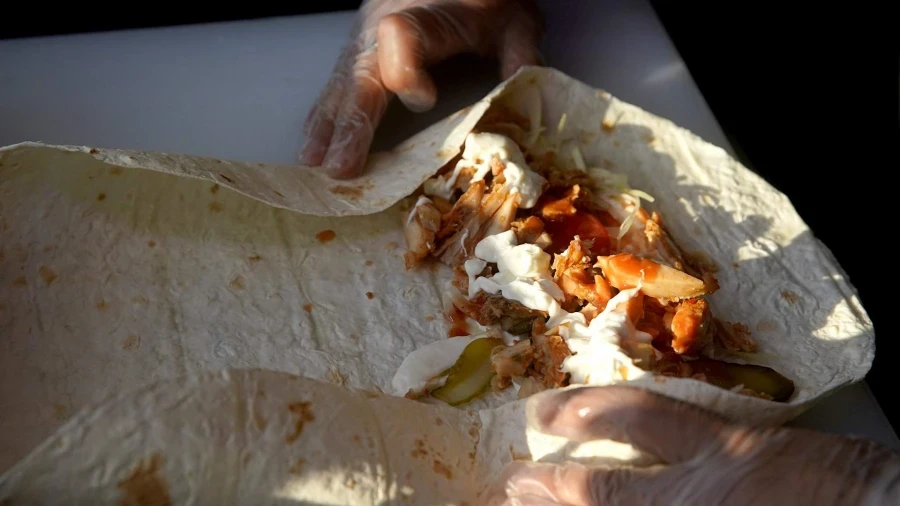
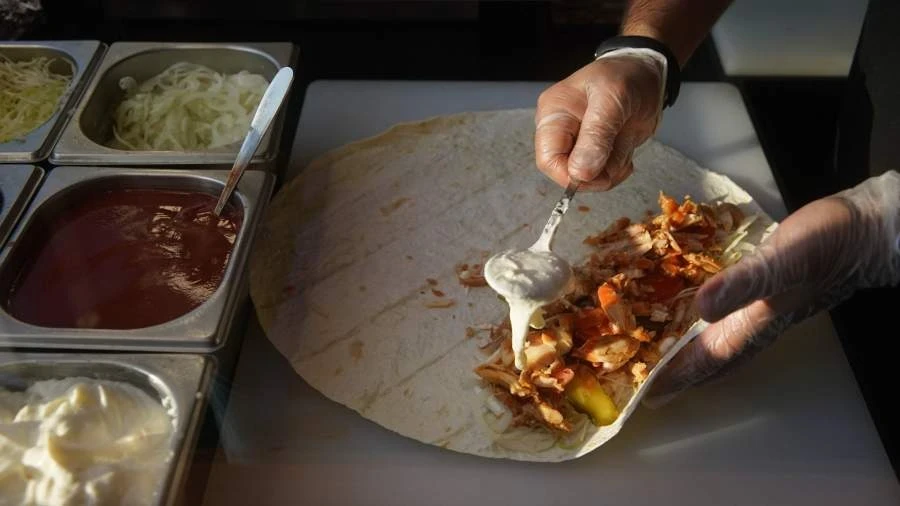
According to the epidemiological investigation, all affected individuals consumed shawarma purchased from "Daamduu" on January 15.
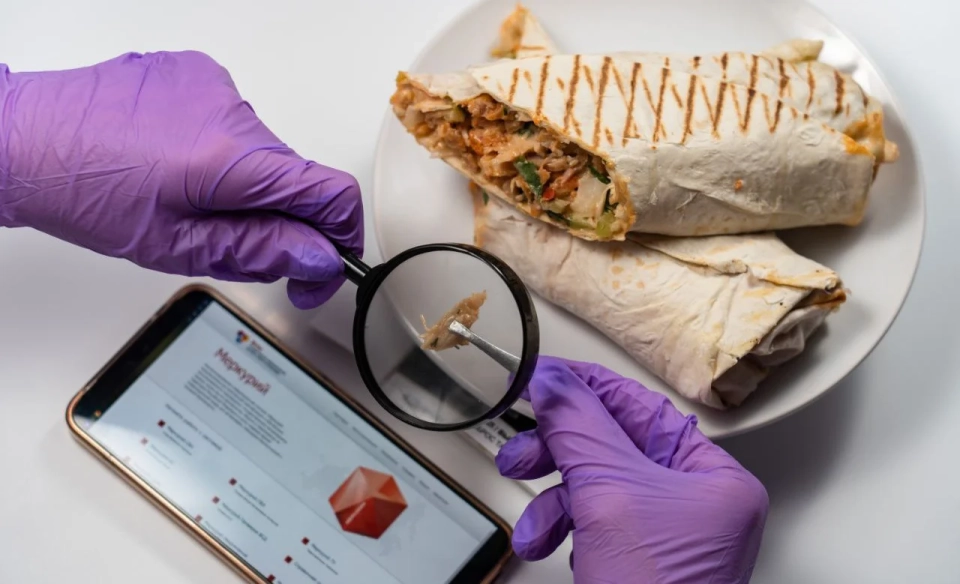
Specialists from the Bishkek State Sanitary and Epidemiological Surveillance Center conducted an unscheduled inspection of the food establishment. During the inspection, samples of ingredients, swabs from kitchen equipment, and leftovers of prepared food were taken for laboratory research. An examination of the staff for intestinal infections was also carried out.
As a result of the inspection, three protocols for violations were drawn up, and the total amount of fines amounted to 41,000 soms, according to the article of the Code of Offenses, as reported.
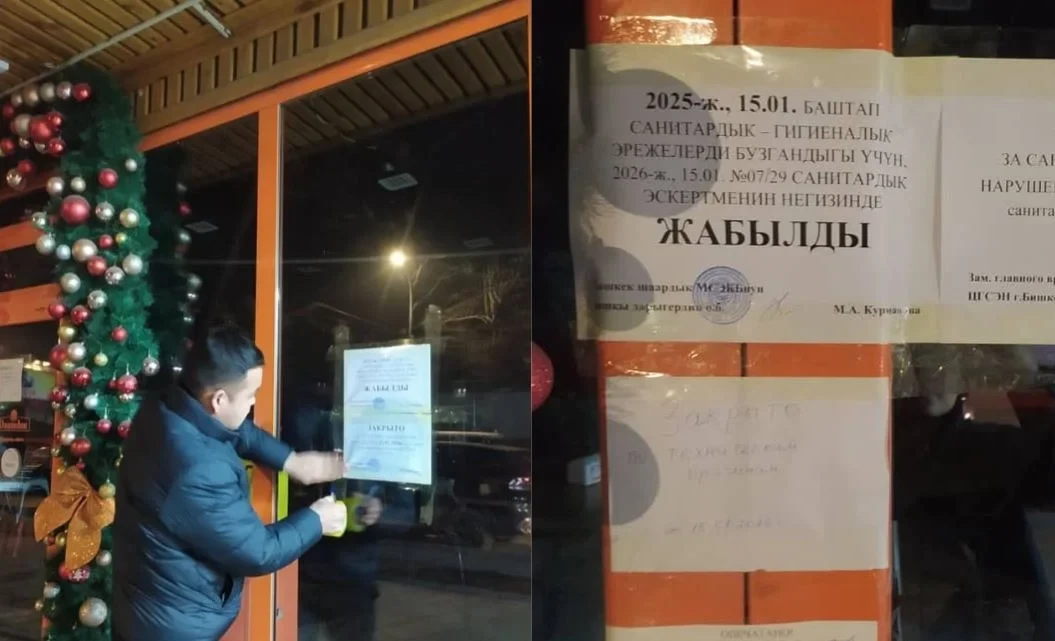
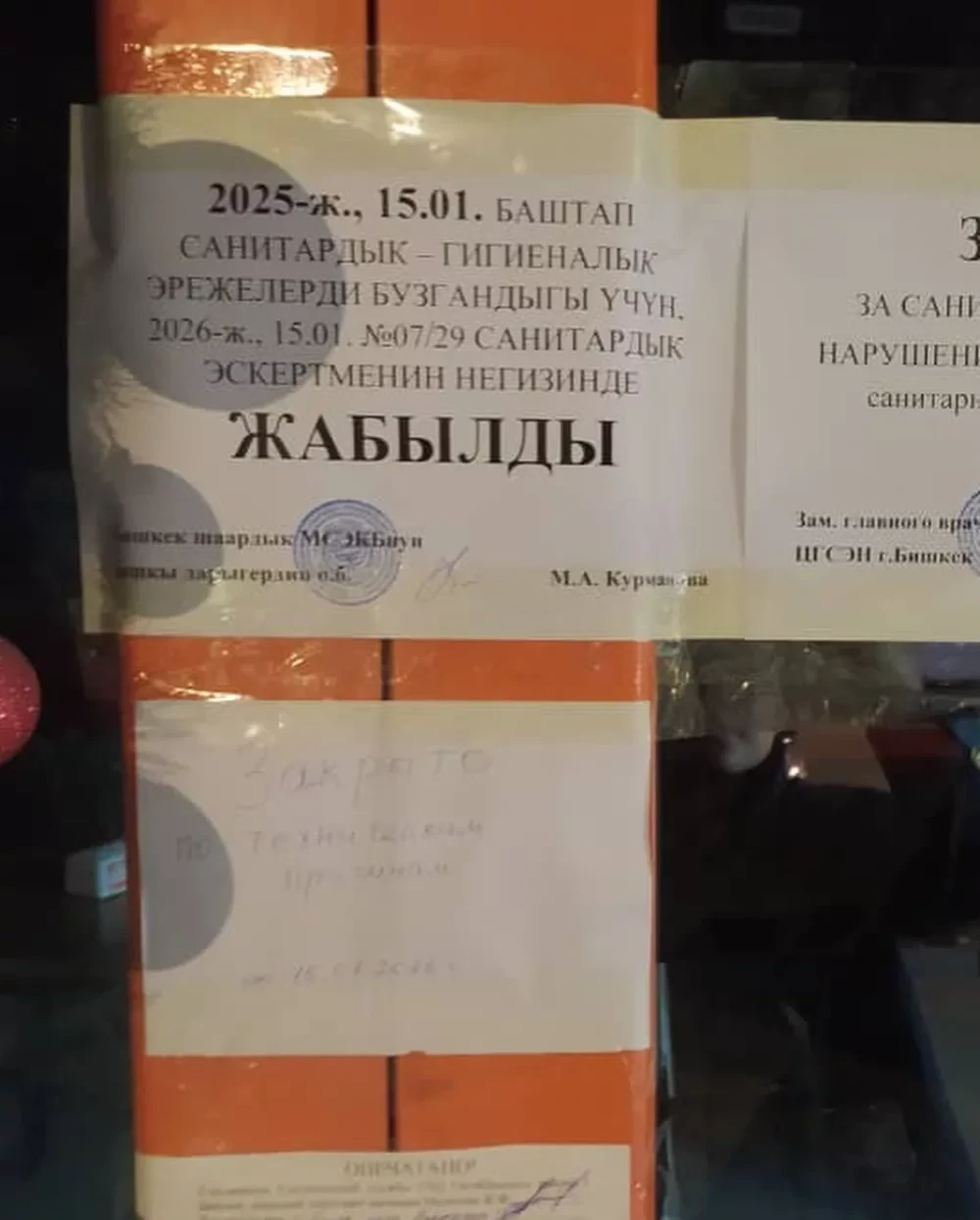
The management of the fast food establishment was also issued an order to close the establishment from January 15, 2026, and it was sealed.The epidemiological investigation is ongoing, and the agency promises to provide updated information as laboratory research results come in.
Safety First
Medical workers reminded that shawarma and other fast food dishes carry a high level of epidemiological risk, especially when cooking technologies, storage conditions, and personal hygiene of staff are not adhered to.The department also urged entrepreneurs in the food service sector to take responsibility for the safety of their products and to strictly comply with sanitary norms and regulations, allowing only those employees who have undergone medical examinations to work.
Consumers are advised to purchase food only from verified establishments, pay attention to sanitary conditions, and seek medical attention immediately at the first signs of food poisoning.
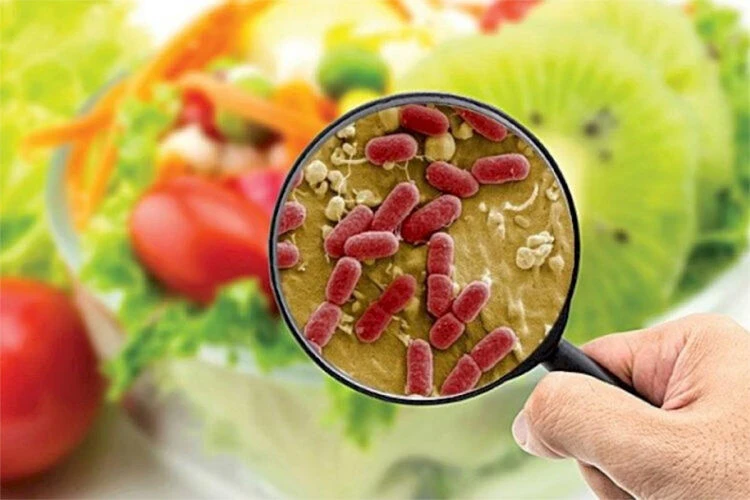
It is much easier to prevent food poisoning than to treat it later. Adhering to sanitary norms in fast food establishments and a responsible attitude from citizens towards food choices are key measures in preventing mass poisonings.Food poisoning is an acute illness caused by consuming food contaminated with pathogenic microorganisms or toxins, or containing toxic substances of non-microbial origin.
Recommendations for Preventing Food PoisoningFor fast food establishments (shawarma, burgers, etc.):
- Strict adherence to sanitary norms and technological instructions;
- Availability and implementation of production control programs;
- Access to work only after passing a medical examination;
- Prohibition of work for employees showing signs of infectious diseases;
- Regular training of workers on personal hygiene;
- Use only quality and safe products with documentation of origin;
- Separate storage of raw products and prepared dishes;
- Compliance with temperature regimes for storage and cooking;
- Ensuring sufficient thermal processing of meat;
- Regular cleaning and disinfection of premises and equipment;
- Use of separate utensils for raw products and prepared dishes;
- Ensuring uninterrupted water supply and conditions for handwashing;
- Personal responsibility of the owner for product safety.
- Choose establishments with a clean exterior and compliance with sanitary norms;
- Avoid purchasing fast food from dubious and non-stationary points;
- Wash hands before meals, especially when eating out;
- Do not recommend fast food to children, pregnant women, and the elderly, as well as those suffering from chronic diseases;
- Seek medical attention immediately at the first signs of food poisoning.