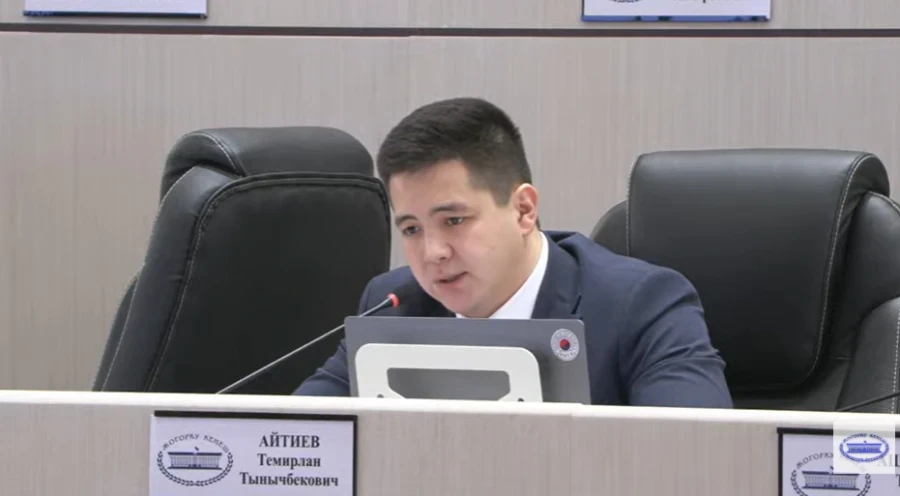
The deputy expressed dissatisfaction: "The responses from the Ministry of Health are vague, explaining that the reason for the ban is the risk of anaphylactic shock and allergic reactions to medications. But why then do private procedure rooms operate in every settlement? Who controls their work? Do they meet modern standards? These offices serve from 100 to 200 people daily," he noted.
In response to the deputy's inquiry, the Ministry of Health stated that there is no ban on performing injections and infusion therapy in primary healthcare institutions.
According to the representatives of the department, injections can only be performed upon a doctor's prescription, which must be confirmed by medical documentation (the doctor's signature and stamp or electronic signature).
As stated by the Ministry of Health, "Nurses perform injections and infusion therapy only according to a doctor's prescription, formalized in the established manner. The prescription of medications must occur according to approved clinical protocols and guidelines."
The department also noted that patients sometimes come with prescriptions that lack the doctor's signature and stamp, especially when it comes to private medical institutions, and request injections.
"It is important to note that the doctor is responsible for prescribing medications and monitoring patients. If the doctor's signature and stamp or electronic signature are absent, the nurse cannot confirm who prescribed the treatment. In such cases, the responsibility for performing the procedure may fall on the medical worker administering the injection," the ministry added.
According to current clinical standards and protocols at the primary healthcare level, the prescription of medications is primarily done in oral form. Parenteral administration (including intravenous infusions) is applied strictly according to medical indications, usually in emergency cases with subsequent hospitalization.
"During monitoring of several primary medical institutions, it was found that in some cases intravenous infusions were performed without sufficient medical indications, sometimes at the initiative of patients. This contradicts the fundamentals of evidence-based medicine and can lead to risks of complications, including infectious and allergic reactions, anaphylaxis, and other negative consequences," the Ministry of Health explained.
In this regard, primary healthcare institutions are recommended to strictly follow clinical protocols and treatment standards, and to perform intravenous infusions only when necessary medical indications are present.
It was also noted that at the level of GS and FAP, medical assistance continues to be provided within the basic package of services, which includes outpatient consultations, diagnostics, prescription of medications, performing injections upon a doctor's prescription, and emergency medical assistance.
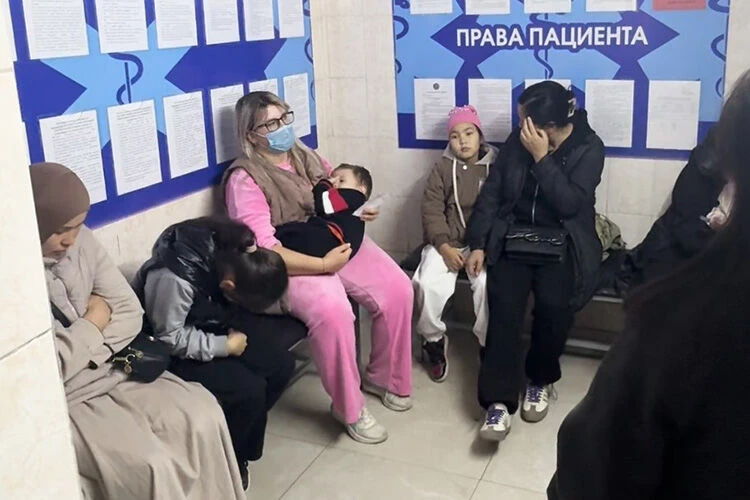
Photo on the main page is illustrative: polyclin.ru.