It now includes a set of key services, ranging from diagnosis to the provision of necessary medications.
Representatives of the Association of Palliative and Hospice Care emphasize that this is a significant breakthrough for the healthcare system. "The presence of developed palliative care indicates the maturity of the state and its ability to care for every citizen, regardless of their social status."
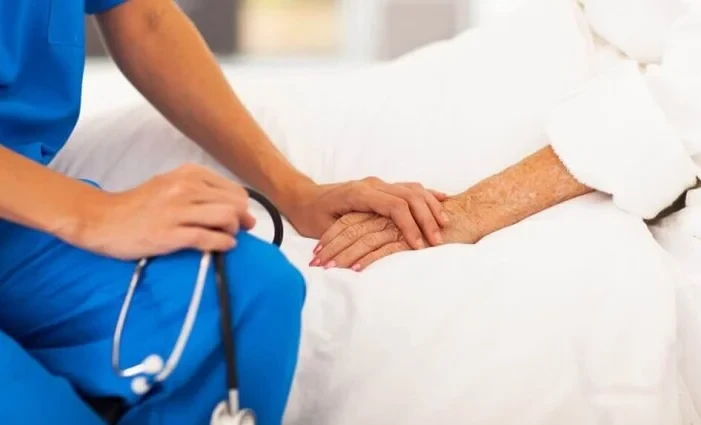
Chapter 9. Palliative Care (click to expand text) Palliative care is provided to patients with incurable diseases who are in the final stages, as well as in cases where the patient's condition causes severe suffering. This care is provided in accordance with the package "Assessment and Management of Patients in Need of Palliative Care," as well as other sections of the list of packages.
Palliative care can be provided both in outpatient and inpatient settings, as well as at home, according to clinical protocols.
The healthcare organization of primary medical and social care is responsible for identifying patients in need of palliative care, coordinating its provision, and referring them to specialized institutions if necessary.
Key aspects of palliative care include:
- relief of pain and other severe physical symptoms;
- psychosocial support;
- spiritual and social assistance;
- support for families and caregivers;
- coordination of medical, nursing, and social services in accordance with clinical protocols.
Medicines and medical devices for patients in need of palliative care are provided according to clinical protocols and lists of essential medicines.
Patients also receive necessary services for diagnosis and symptom control, allowing for treatment adjustments in accordance with basic medical packages.
Medical organizations involved in palliative care organize social and psychological services and train family members in basic caregiving skills.
Healthcare workers ensure that patients or their legal representatives are informed about the goals and methods of palliative care, guaranteeing their participation in the decision-making process.
Collapse Co-chair of the Association of Palliative and Hospice Care Talaygul Sabyrbekova shared her opinion with Kaktus.media on the significance of including palliative care in the State Guarantees Program for Kyrgyzstan.
- What are the benefits for citizens with the introduction of palliative care in the SGP?
- First of all, it is increased accessibility. Palliative care will be provided:
- in outpatient clinics, inpatient facilities, specialized centers, and at home;
- free of charge, within the framework of the basic package of services;
- according to unified clinical standards and protocols.
- effective relief of pain and other severe symptoms;
- comprehensive psychological, social, and spiritual support;
- assistance for family members providing care;
- access to necessary medications, including pain relievers;
- appropriate diagnostic services for symptom control and treatment adjustment.
In other words, a person is not left alone with their pain, and their family receives support and knowledge on how to care for them.The decision to include palliative care in the SGP is an important and bold step.
Palliative care is not just a high cost, but an invaluable value. Access to medications, the work of primary medical and social care specialists, and family support are minimal but vital investments that the state must provide.
We highly appreciate this initiative and express our sincere gratitude to the Ministry of Health for the work done. This is the result of a consistent and thoughtful policy in the interests of citizens.
- What are the plans for the future?- We are ready to cooperate with the Ministry of Health, medical institutions, and partners to ensure the successful implementation of the new chapter of the SGP becomes a reality.
It is important that palliative care becomes accessible not only on paper but also in the everyday lives of people.