Content of Changes in the Education System
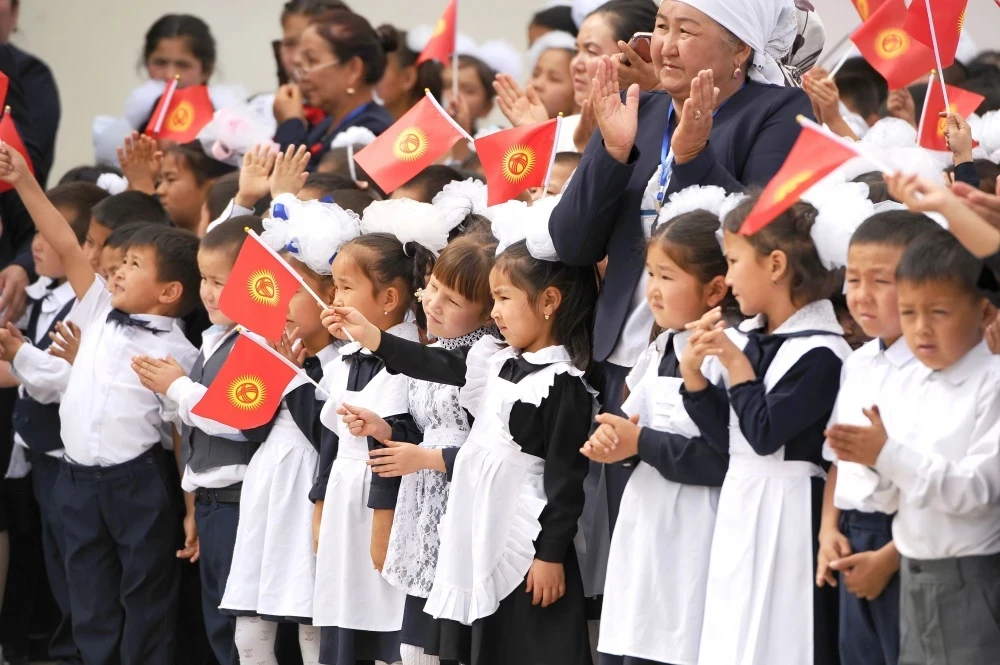
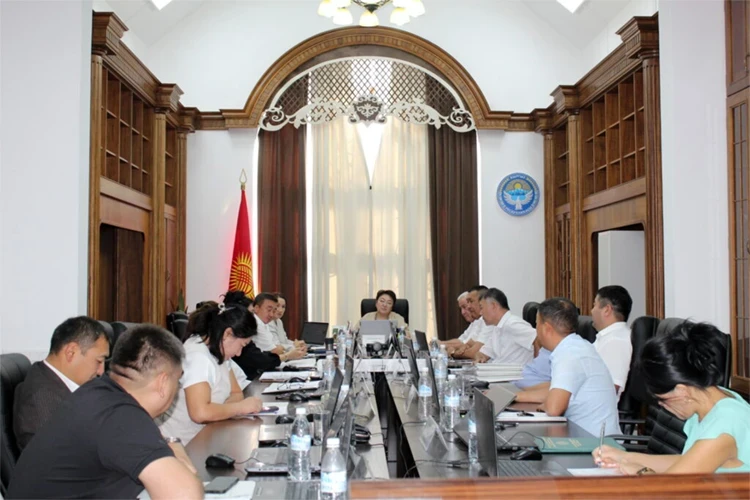
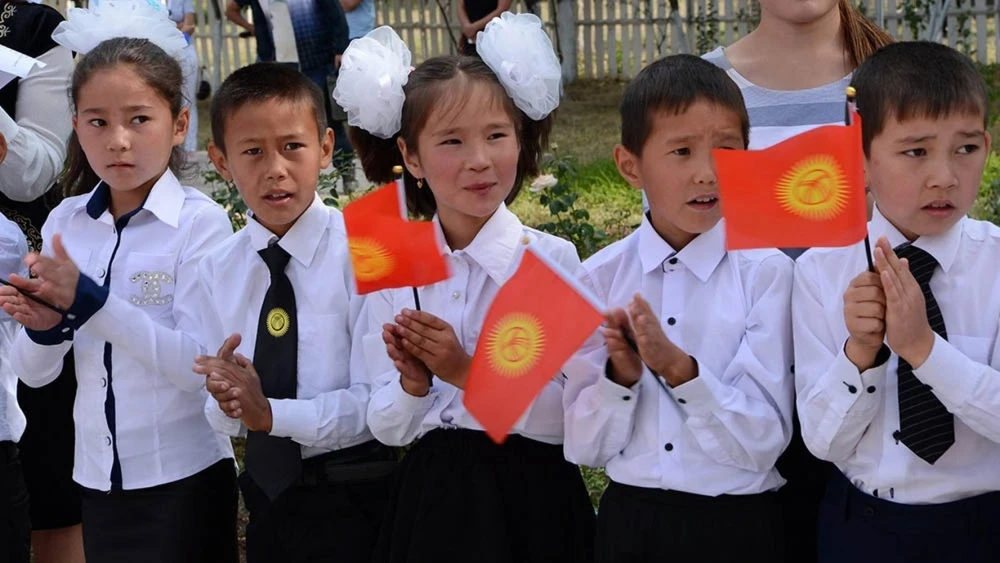
A large-scale reform of school education has begun in Kyrgyzstan, with the main goal of transitioning to a 12-year education system. As part of this program, it is also planned to update curricula, create new textbooks, and change the structure of several subjects.
The initiators of the reform emphasize that the aim of the changes is to align the education system with modern international standards. It is expected that the new model of education will improve the combination of theoretical knowledge and practical skills, which, in turn, will enhance the competitiveness of graduates in the labor market.
Key aspects of the reform include:
implementation of a 12-year school education structure; creation of new curricula and materials; revision of the content of individual subjects; application of international experience in educational methods.
Although the idea of modernizing education generally receives positive feedback, many specialists emphasize the need for a careful and balanced approach to such large-scale changes.
Diversity of Expert Opinions
The discussion about the reform is gradually moving beyond the professional community, becoming part of a broader public discourse. In expert opinions, one can hear both support and cautious doubts.
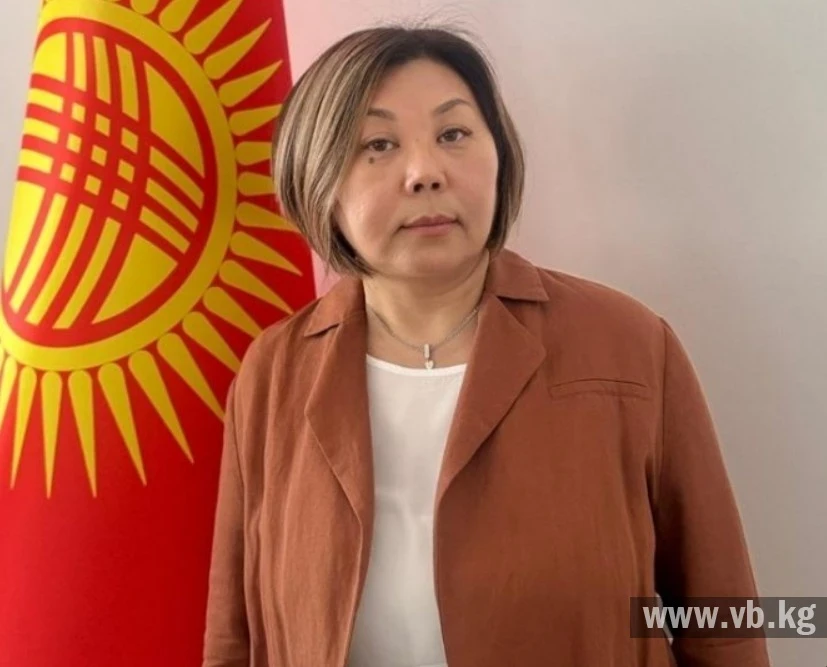
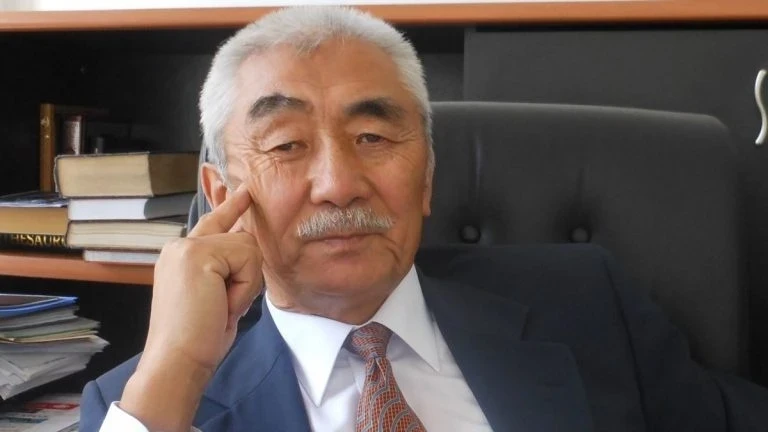
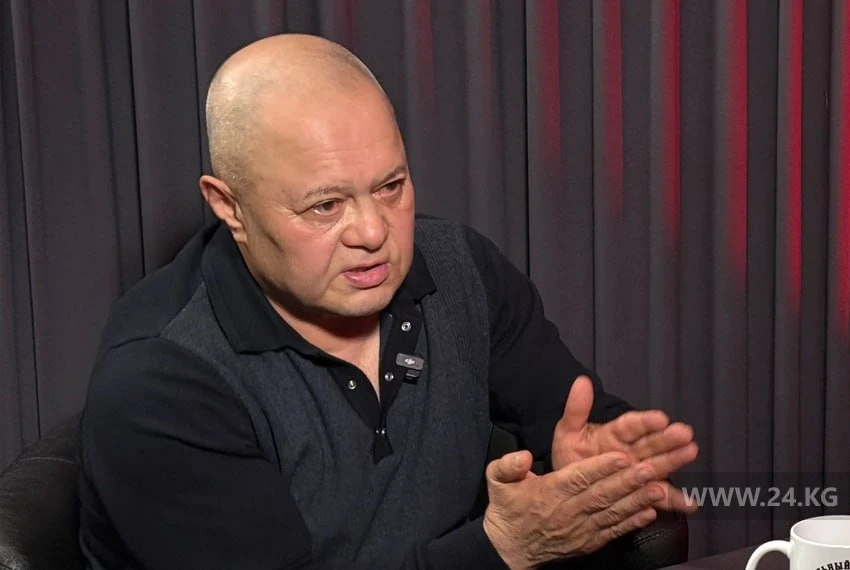
Professor Klara Ajibekova notes in one interview that the education system is a complex structure that has developed over many years. She emphasizes that during the reform, it is important to preserve the strengths of the existing model of education.
She particularly highlights several key issues:
the necessity of maintaining deep academic training for students; careful integration of subjects; consideration of national educational experience.
Among the discussed aspects of the reform, she highlights:
involvement of foreign consultants in educational projects; influence of international educational models; significance of preserving the independence of educational policy.
These remarks should not be perceived as harsh criticism, but rather as a call for caution and thorough analysis of the consequences of the changes.
Regional Interest in the Reform
Not only in Kyrgyzstan are these changes being monitored. Neighboring Central Asian countries are also showing interest in the progress of the reform.
The Kyrgyz experience is particularly actively discussed in Kazakhstan, where experts view it as a potential example for a large-scale transformation of school education. Such processes are rarely confined to one country — decisions made in one of the countries in the region often become subjects of analysis for neighboring states.
For analysts, this is an opportunity to study how innovations work in practice and what results they yield.
Cautious Approach as the Foundation of the Reform
Educational reforms always require time and careful consideration. They demand not only new ideas but also a respectful attitude towards existing educational institutions.
The current discussions surrounding the education reform in Kyrgyzstan show that society is closely monitoring the ongoing changes. This is a positive signal, especially when it comes to schools, where the future intellectual foundation of the country is formed. It is important to thoroughly discuss every significant decision.
Therefore, many experts emphasize the need for a gradual, balanced approach to updating the system, without undue haste. Such a method usually proves to be the most sustainable for any educational system.