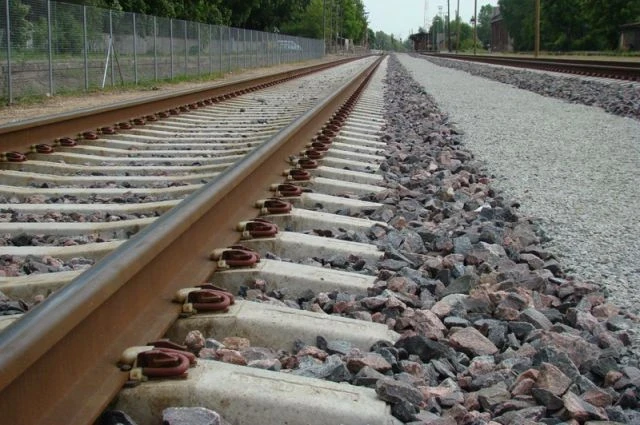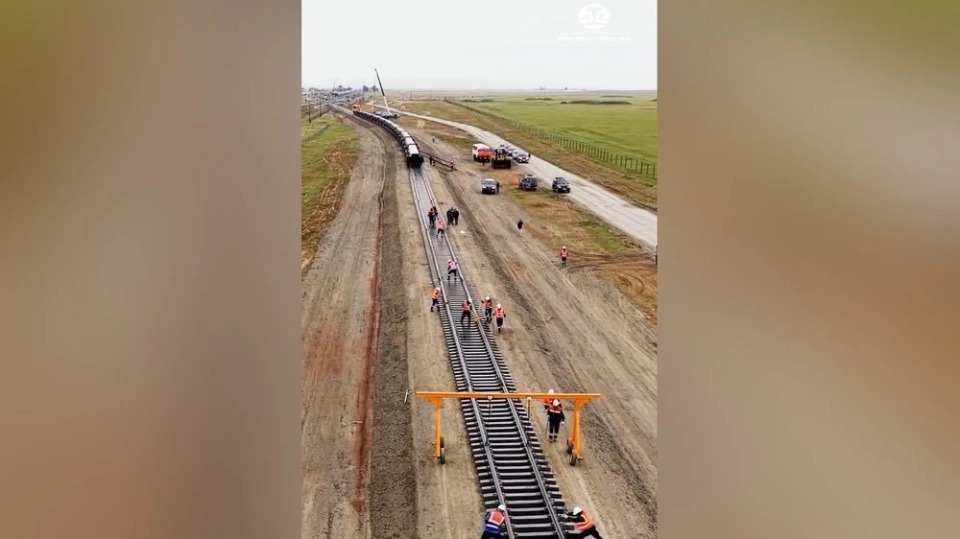
According to information from various sources in the Middle East, a high-speed railway project is set to launch by the end of 2030, connecting key states in the region. This plan, discussed for over 15 years, includes investments of nearly $240 million and the involvement of international partners. As reported by the online publication "Military-Political Analytics," the project will unite Saudi Arabia, the UAE, Kuwait, Qatar, Bahrain, and Oman into a single transport network.
The GCC Railway project begins in Kuwait and passes through Dammam in Saudi Arabia. It will provide direct connections to Qatar via the Salwa port and to Bahrain. From Dammam, two sea bridges are planned to connect Saudi Arabia with Qatar and Bahrain. Additionally, it will be possible to reach Abu Dhabi and Al Ain in the UAE from Saudi Arabia, and then to the capital of Oman, Muscat, via Sohar. The total length of the highway will be 2,117 kilometers, with passenger trains reaching speeds of over 200 km/h and freight trains traveling at 80 to 120 km/h. Bahrain will be connected to Saudi Arabia via a 25-kilometer dam with two railway tracks. The construction is jointly financed by all participants.
The launch of the GCC Railway Project is expected to significantly simplify tourist movement and accelerate freight transport between the GCC states, contributing to economic development and regional integration. It is also possible that other countries, such as Jordan, will join the project.
It is no coincidence that at the same time, Jordan and Egypt announced the beginning of a new era of maritime infrastructure in the Red Sea. The Jordanian company Arab Bridge Maritime Company and the Red Sea Ports Authority signed a memorandum of cooperation in Cairo, which includes the construction of a passenger and cargo terminal in Aqaba and the establishment of the first Arab ship repair yard in the Egyptian port of Safaga.
The project, implemented under the "build-operate-transfer" model, is supported by the transport ministers of both countries and aims to develop the maritime infrastructure of the region.
Similar to the Egyptian-Saudi project "Moses Bridge," which will connect the Ras Hamid coast with the Sinai Peninsula, the initiative with Jordan contributes to the creation of an integrated "Arab" transport hub, increasing logistical potential and opportunities for regional cooperation.
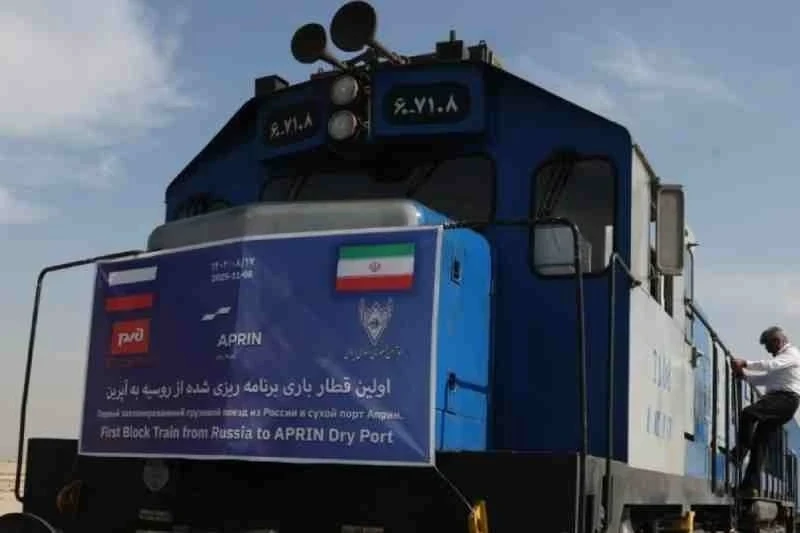
Other countries are also getting involved. The first Russian freight train carrying paper and pulp arrived at the dry port of Aprin via the eastern branch of the "North-South" transport corridor, marking a new phase in trade relations. The journey took only 12 days, which is an important step in strengthening logistics between Iran and Russia.
Also, in early November 2025, Iran and Russia agreed to establish the first joint maritime consortium during a meeting in Makhachkala. Participants discussed the structure and framework of a future agreement, which is expected in the coming month. The main goal is to organize maritime transport across the Caspian Sea with integration into the international "North-South" transport corridor.
The initiative aims to develop trade, transport, and transit links, simplify customs procedures, and harmonize port tariffs. Involvement of the private sector could accelerate implementation and increase transport volumes along the corridor; the next step will be the legal formalization of the agreement.
Work has resumed on the IMEC project, which was initiated in 2018 and aims to connect India with Mediterranean ports through the Arabian deserts. Despite ongoing conflicts, the construction of a railway linking Israel and the UAE is actively continuing. According to Israeli media, a significant portion of the infrastructure is already completed, which will create a foundation for a commercial route connecting India with Europe via Haifa.
Israel's Minister of Transport, Miri Regev, recently made an unofficial visit to Abu Dhabi with a delegation, the details of which remain unknown. A technical team from the transport ministry is working in Abu Dhabi to expedite planning. An agreement has also been reached to create a joint administration to oversee transit and complete the remaining section of the line. Currently, trucks from the UAE reach the port of Haifa via the "Allenby Bridge," which is associated with lengthy bureaucratic procedures.
It is expected that along the new corridor, in addition to freight, communication cables, pipelines, and power lines will also be laid. Negotiations are ongoing following reports of support from France and Turkey for an alternative route through Syria, which could bypass Israel. However, the implementation of such a project under current conditions seems highly doubtful.
In any case, the realization of the IMEC project will create an alternative trade corridor alongside China's "Belt and Road." The Iran-Israel confrontation may affect the ability of the U.S. to establish a transport corridor between Arab states and Israel, while global competitors of China may take advantage of regional instability to promote the easing of tensions between Israel and its neighbors. If optimists are correct, this could lead to significant changes in the economic and political map of the Middle East, including the possible accession of Saudi Arabia to the "Abraham Accords."